Garden Tips – July 2021

Summer is here and hopefully your hard work in earlier months is paying off. July is a time to start reaping the rewards whether in fragrance and blooms or “treasure” from the kitchen garden. A bit of light maintenance this month will keep your growing productive.

Spring flowering shrubs (like Forsythia, Weigela and Philadelphus) can be pruned now. While shaping the plants, cut out older flowered wood as next year’s flowers will form on this summer’s growth. For Wisteria cut out the new long, whippy growth, taking it back to 6-7 buds.

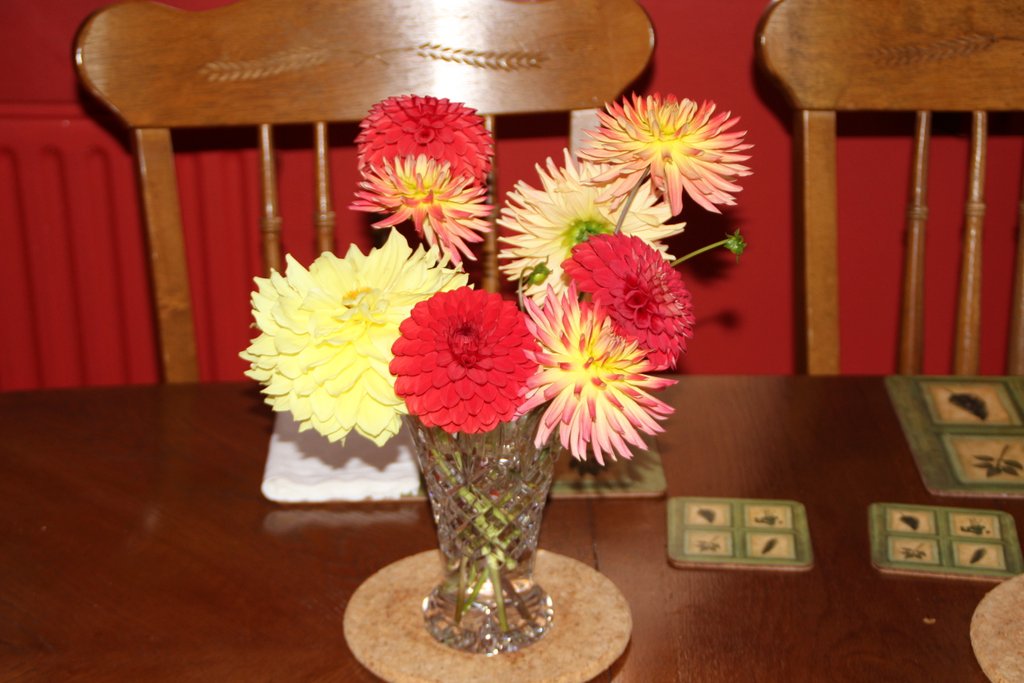
For summer flowering shrubs and bedding plants keep this year’s flowers coming by dead-heading. Flowers like sweet peas, Dahlias and repeat flowering roses all respond well to this treatment. Picking your favourites to make fragrant and colourful indoor displays also helps to prolong flowering.
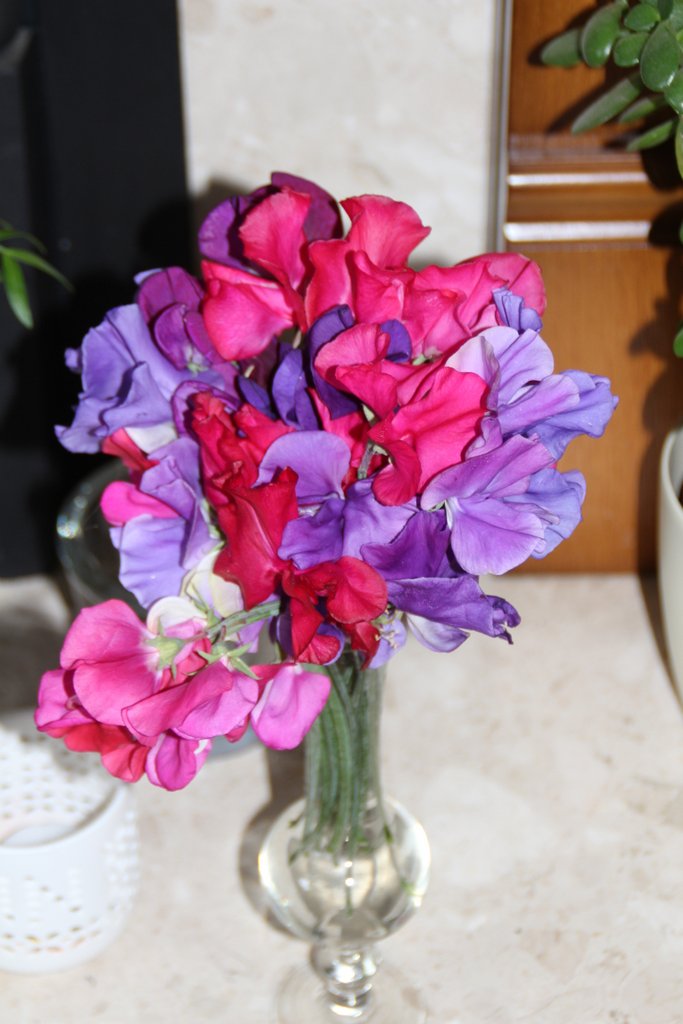
Sweet Peas
Sweet Peas

Dahlias 26 July

Dahlias 26 July

July is a month for treats from the kitchen garden. Strawberries and raspberries are at their peak, early potatoes can be dug as and when you need them, fresh peas are lucky to make it as far as the kitchen and the first beans, courgettes and tomatoes should all be ready. Once the foliage dies back lift garlic bulbs ready for storage (or indeed making garlic butter for your new potatoes). However, you’ll still need to monitor for pests, especially if you grow brassicas, the cabbage white season is now upon us.
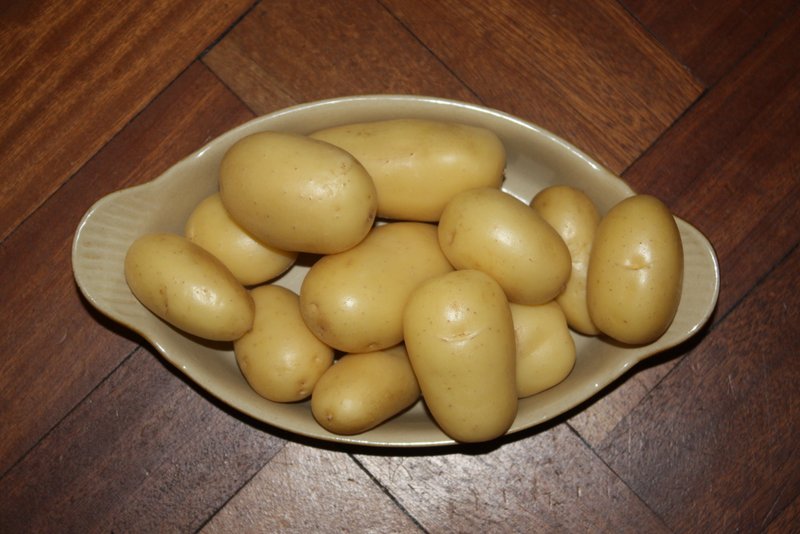
New Potatoes 9 June
New Potatoes

Strawberries for Wimbledon

Tomatoes 5 Aug 2018

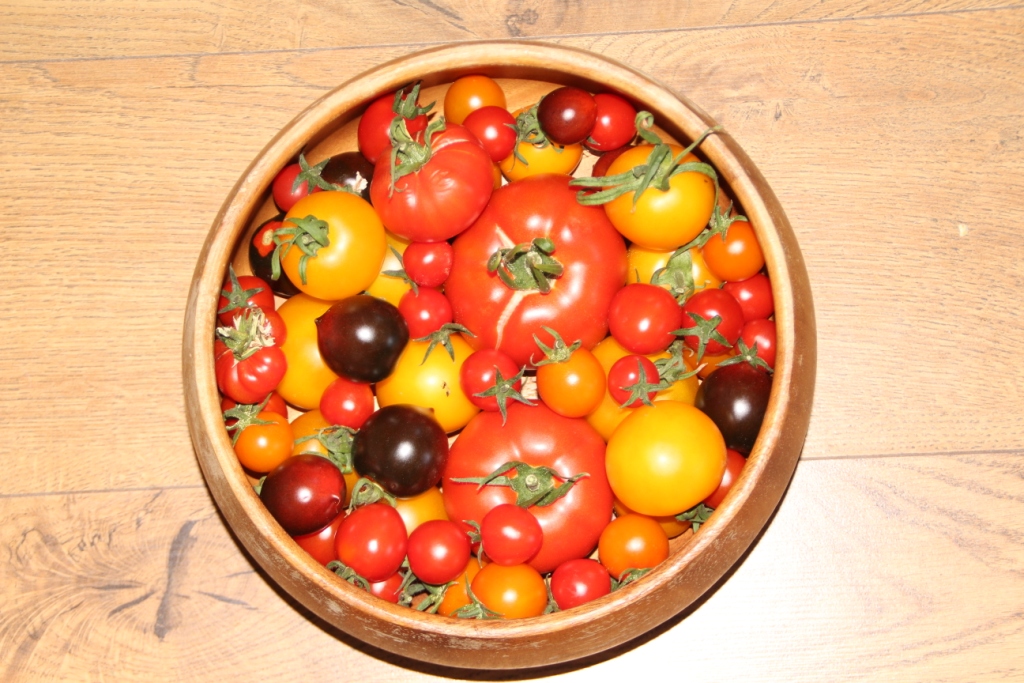
Multi-coloured Tomatoes

High summer is the time to look out for Box tree caterpillars. The first sign is often not the caterpillars themselves, but the webbing that the moths leave amongst the foliage. You can now buy traps for the moths which will tell you that you are likely to have an imminent caterpillar problem.  This article on the RHS website gives a very helpful overview and includes suggestions on alternative planting options if the caterpillars are winning,

As most nestlings will have fledged by the end of the month, it is a good time to tidy up hedges without any risk of disturbing nesting birds. While caring for birds, top up bird baths to make sure that there is water easily available.

To prepare for a splash of cheerful colour in the autumn, July is the perfect month to plant Colchicums and autumn flowering crocuses.
Garden Tips – June 2021

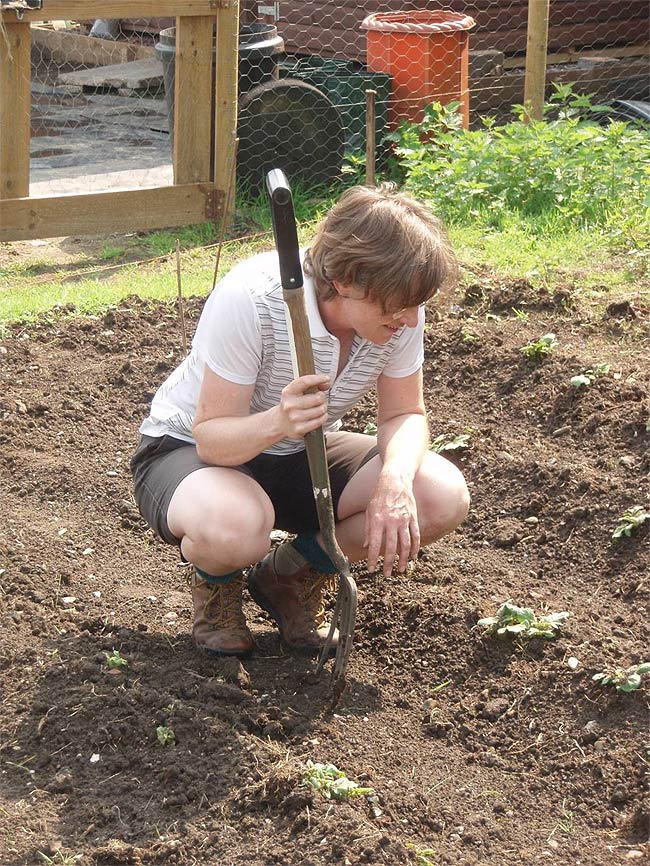
With the longest day arriving this month, we are in prime growing time. The cold, dry spring has meant slower growth than in recent years, but the arrival of spring showers in May has got things growing, including the weeds.  So this month our thoughts have turned to weed control.

Remember a weed is only a plant in the wrong place and some can provide food and habitats for wildlife. With wildlife in mind, many gardeners are taking a more relaxed approach to weeds nowadays, often leaving wilder patches of garden quite deliberately. However, if you want to keep on top of weeds, there are many ways to combat them.

If conditions are dry then hoeing annual and ephemeral weeds can be very effective at this time of year, cutting the stems and allowing the plant tops to dry out can clear large areas quite quickly. Perennial weeds, especially those with long tap roots are a different issue and will need to be dug out, if you are looking to use manual techniques.

There are also a variety of weed killers available. These can be useful for persistent weeds coming through hard surfaces such as paths. Weed killers sold as “for paths” can include a residual herbicide such as Diflufenican which will also act as a soil-based herbicide. So be careful that any such product is not going to be washed onto planted areas. Systemic weed killers containing glyphosate can kill perennial weeds and break down quickly in soil, so can be used in areas that are to be re-planted.  There are also selective weed killers for use on lawns.

The legality of active ingredients in weed killers changes over time.  The Royal Horticultural Society website contains a useful list of current weed killers RHS-Weedkillers-for-Home-Gardeners.pdf.  This note also contains useful tips on using weed killers safely and effectively.

For veg patches, or new beds, you can use the “no-dig” approach of covering the ground with cardboard to deprive the weeds of light, then piling on thick layers of fresh soil or compost to provide a growing layer.

Garden Tips – May 2021

After the first week or so of May, in Berkshire, it is usually safe to assume that the risk of frost has passed, so gardeners’, thoughts can start to turn to preparations for summer.  This year however, has seen an unusually cold April with regular overnight frosts, so we will be keeping plants under cover until we are sure that they will be safe outside.

Once you’re confident that the weather has turned, tender bedding like Pelargoniums and Begonias and perennials such as Dahlias and Cannas can start to go out without protection. Similarly, after a period of hardening off, tender plants like squashes, peppers and tomatoes can go into your kitchen garden. By the end of May, the soil should be warm enough to sow beans straight into the ground too.

Potatoes are likely to be showing growing tips above ground by early May, so make sure that you draw soil over these new tips both to protect the tips from overnight cold and to make sure that you don’t get developing tubers exposed to light, which will turn them green and unusable.

Earthing up potatoes

Earthing up potatoes

Normally, the Chelsea Flower Show at the end of May signals “The Chelsea Chop” for late-flowering perennials (for example Phlox, Helenium, Echinacea and some Sedum). The show is later this year, but it is still a good idea to cut back these plants now by about half using shears. This will give you bushier, more compact plants and usually more flowers that will extend later into the season.

The foliage on spring bulbs should have died back by the end of May, so it is good time to clear away the dead foliage to create space for your summer plants. If flowering of daffodils has reduced over the years, then they may be congested. Now that they have returned to dormancy, you can lift and divide them, re-plant them nice and deep (about 3 times the depth of the bulb and if your drainage is poor, add some grit to the planting holes. If you have had bulbs in pots over the winter, then plant these out as well to increase numbers in the garden.

Garden Tips Easter 2021

March saw the start of spring, and with longer days and warmer weather the garden begins to get growing. In particular, the grass will start growing more strongly now, so get your mowers ready. Keep the mower blades quite high to start with to avoid stressing the grass plants. A high nitrogen feed will also help to improve the overall quality of the sward. Many gardeners are now letting lawns grow longer and allowing more weeds/wildflowers (delete according to choice), so tidy according to your own preferences.

If you grow potatoes, then a good place to put your early batches of mown grass (provided it is free of herbicides) is in your prepared potato trenches. As the grass breaks down it helps the soil to retain moisture and creates slightly acidic conditions, which can protect against common scab.

One of the joys of spring is the re-emergence of herbaceous perennials. However, the succulent new foliage on plants like Hostas and Delphiniums is a delight for slugs and snails, so be ready with your preferred defence.

This is a great time to pay attention to herbaceous perennials generally. Cut back any dead growth to create space for this year’s shoots and if clumps are over-crowded or too big it is the perfect time to divide them. This is not a difficult job, lift the whole plant and cut the root ball into a number of smaller pieces, making sure that you’ve got both roots and shoots on each piece. A spade or an old saw are perfect tools for the job. Re-plant the selected divisions immediately and water in well. Also cut back semi-evergreen perennials such as Penstemons to a low framework of sturdy stems.

As plants get back into active growth, it is a good time to feed them, this applies to most plants, but is particularly relevant for permanent container planting where there is no natural renewal of nutrients.  Scrape away the top couple of cm of older compost, top dress with new compost with some slow release fertiliser mixed in.  We use a multi-purpose liquid feed for most established plants/containers.

The flowers on the earliest spring bulbs will have started to die off by now, so be sure to pinch off the dead heads so that the leaves feed the bulb for next year, rather than encouraging seed formation. Leave the foliage for 4-6 weeks after flowering to get as much photosynthesis as possible, again this will help to feed the bulbs.

In the vegetable garden you can get your early potatoes in the ground and spring sown planted onion and shallot sets can still go out. If you have a propagator, a greenhouse, or even a warm window ledge, you can sow tender fruiting vegetables (tomatoes, peppers, aubergines etc.). Don’t overwater seedlings, especially those of smaller plants to avoid the fungal diseases that cause “damping off” – which can quickly kill off most of the contents of a seed tray.

Finally, if you haven’t already done so, now is a good time to clean and disinfect used pots and greenhouses to prepare for the busy growing season ahead. You should remove all debris and wash with a mild solution of a disinfectant such as Jeyes Fluid. This will help to avoid fungal diseases such as dampening off, and get rid of any pests which have taken advantage of your hospitality over the winter.

Garden Tips – February 2021

This column was drafted in mid-January, a couple of weeks into the latest Covid lockdown and with the very grim news surrounding us, it is easy to overlook small sources of joy, such as gardens. However, we know that for many people time spent in their gardens, or other open spaces, last year helped to make life a bit brighter.

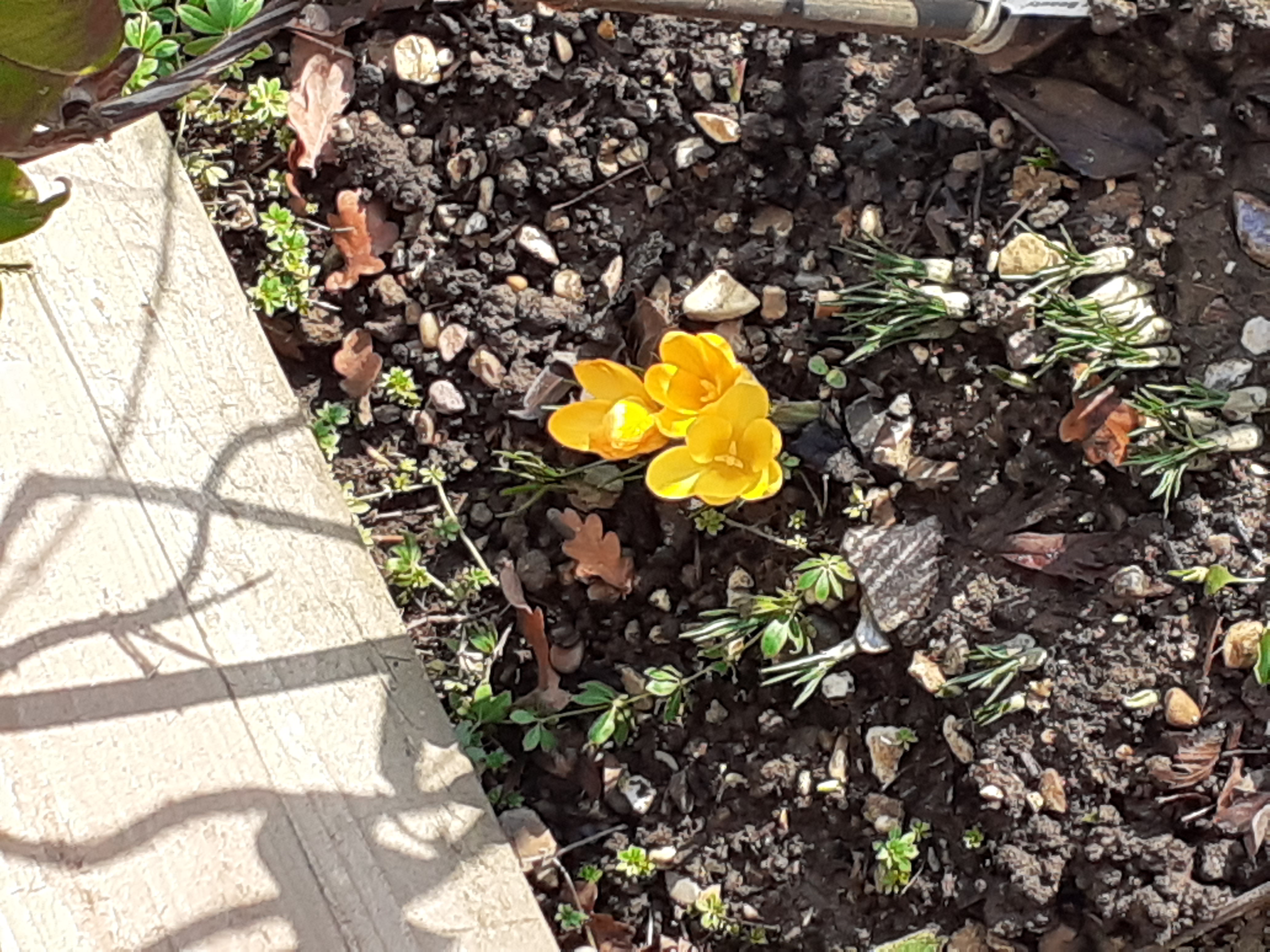
Lengthening days with more light and emerging snowdrops, crocus and daffodils not only tell us that another gardening year is beginning, but also provide flashes of cheer and the promise of a spring.

Crocus at the end of January

Crocus at the end of January

Despite the lengthening days and occasional warm spells, February is still winter and is often a wet month. So, as we usually advise at this time of year, don’t be in a hurry. If the ground is waterlogged or frozen, steer clear of lawns and borders – you could create more of a mess than you clear up.

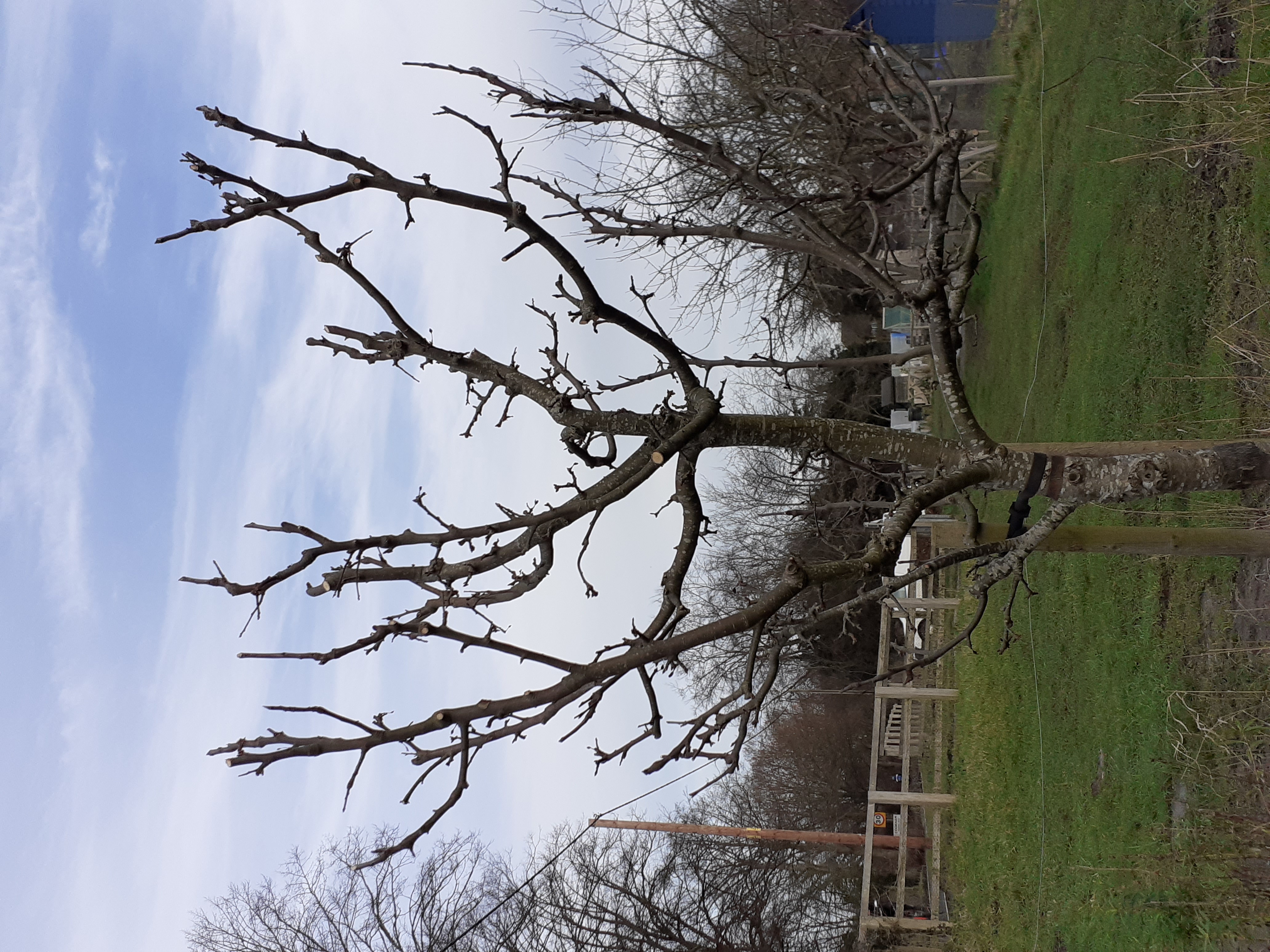
Satisfying jobs are pruning apples, pears and wisterias. They should still be dormant and with no leaf cover it is much easier to see the shape you’re creating. You can easily distinguish the larger, flowering (and therefore fruiting) buds allowing you to produce a balance of new growth and flowers. As with all pruning, the first task is to remove the three D’s: Dead, Diseased and Damaged material. Then take out crossing branches that cause congestion and finally, cut back to the size and shape that you want.

Pruned Apple Tree

Pruned Apple Tree

Pruned Pear Tree

Pruned Pear Tree

Don’t forget to look around the garden to check for gaps where you might add seasonal colour like primulas (or indeed clumps from previous plantings that might now be ready for splitting).

For the kitchen garden, you can begin sowing summer cabbages, broad beans and beetroot under cover and if you haven’t done it yet, sow onions and leeks. You can also sow flowers and while warm windowsills may be a good place to start many seeds, don’t forget that you can start hardy annuals outside.

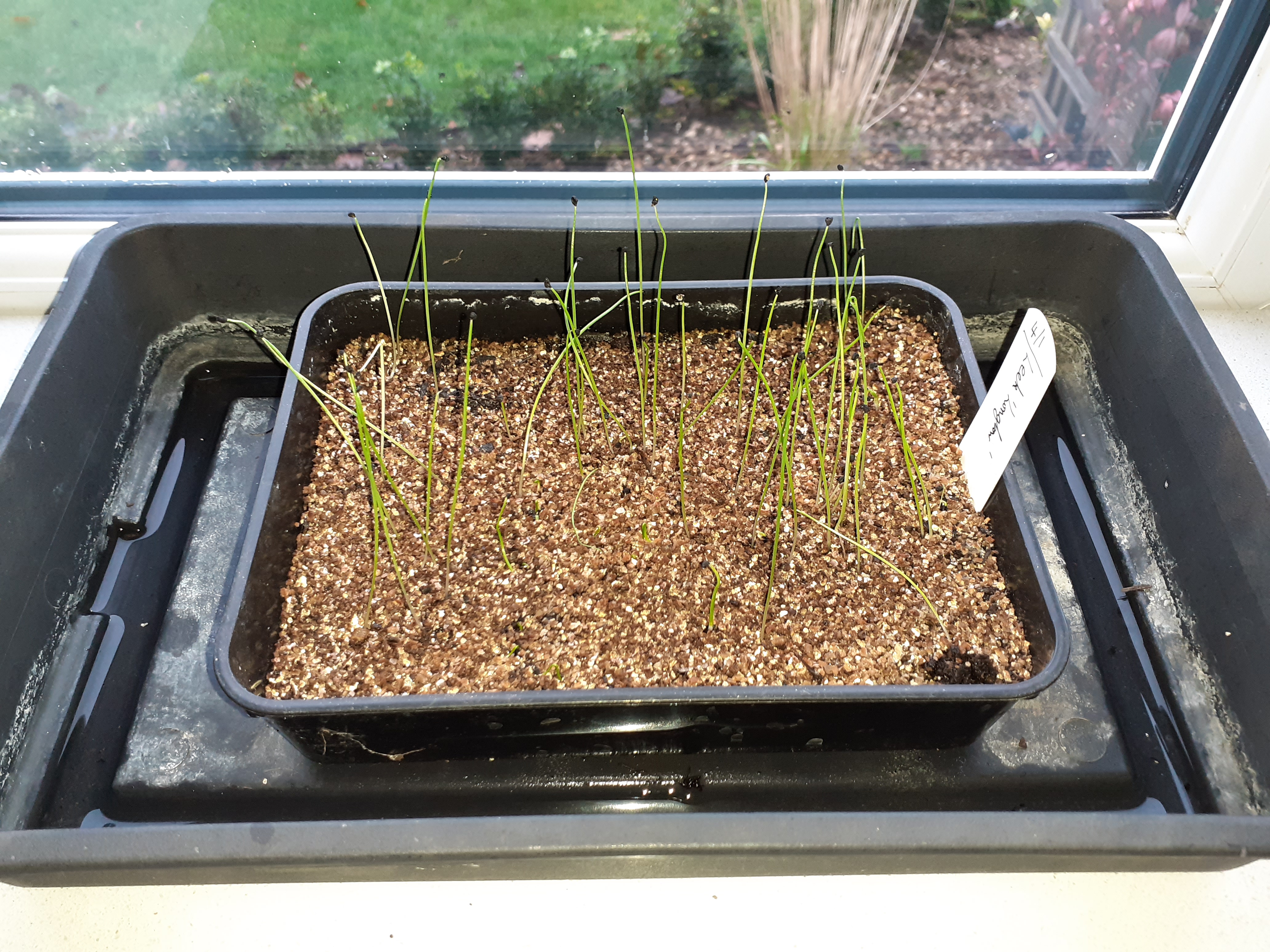
2021's Leek seedlings

2021’s Leek seedlings

Finally, for soggy days when you’re stuck inside, spend some time cleaning and sharpening your tools. As well as extending their lives, using well maintained tools is much easier.

Christmas Harvest

When we first started growing our own, one of our annual targets was to have our own parsnips to roast on Christmas Day.  As we have become more experienced, and had access to more space, other harvests have become important.  These include the asparagus that heralds spring, the first peas showing that summer is almost here and the first new potatoes that might go with them and the first tomatoes and sweetcorn that indicate that high summer has arrived.

Despite the many highlights we now enjoy, the Christmas Eve harvest still remains a moment of satisfaction and undiluted pleasure.

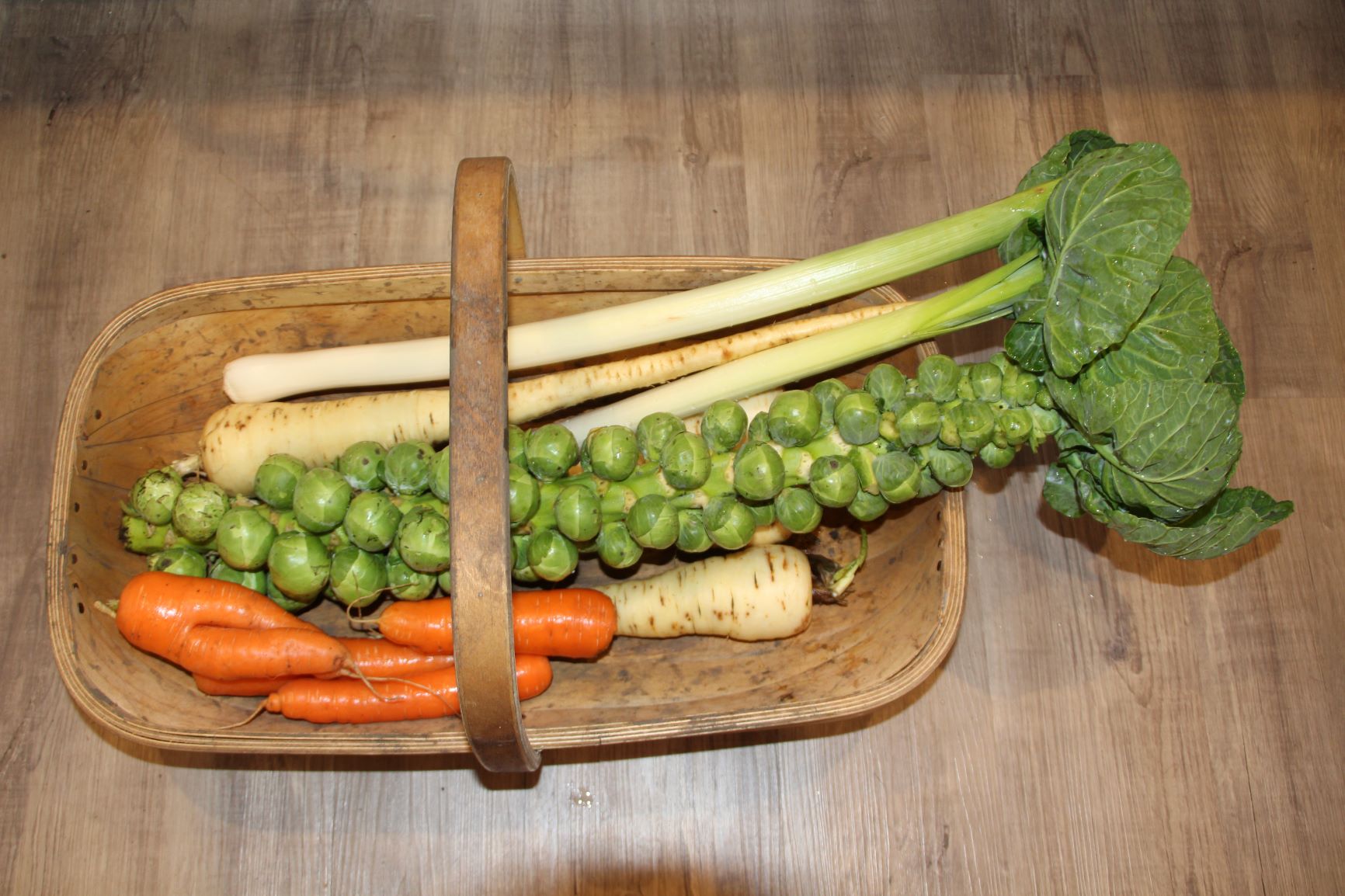
Christmas Harvest 2020

Christmas Harvest 2020

Merry Christmas everyone.