We had a trip to Wisley today, thus completing my first bit of half-term homework for my RHS course (to visit a garden and observe different sorts of plants in situ).  We timed the trip to coincide with the “Taste of Autumn” show.  It was a glorious day and a very enjoyable trip (completed with the purchase of cheese, sausages, nuts etc.).  We had a look at the allotment plot and once again, it was good to see that we are not really missing any tricks.
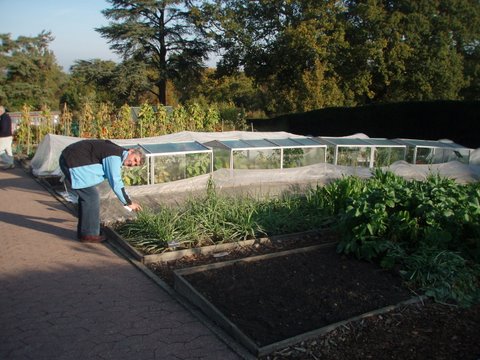
Inspecting the onions at Wisley

 Whilst looking round the plant shop we saw some Asparagus Crowns (Purple pacific) and bought six crowns.  This inspired a trip to the allotment where Lynn prepared and planted an asparagus trench, while I cleared the almost dead cucurbits and the tomatoes from the polytunnel and got a bonfire going.  Then, instead of coming home, we kept going and cleared the weed suppressant membrane and rough dug one of next year’s potato beds and planted it with green manure (field beans).

The photo below shows the sun setting on an autumnal plot.  There are large piles of things to be burned as I don’t want to compost things like the cucurbits which finished the year with mildew, the fungus would not be killed by a domestic compost heap.

Autumn tidying
 

In Praise of Cucurbits

We went a bit OTT with cucurbits in the allotment this year.
 
We knew from growing at home that a couple of courgette plants cover a lot of ground pretty swiftly once they get established and as we had to get at least three quarters of the plot cultivated within the first year we reckoned that a cucurbit bed would allow us to test new crops while using a decent chunk of the plot.
 
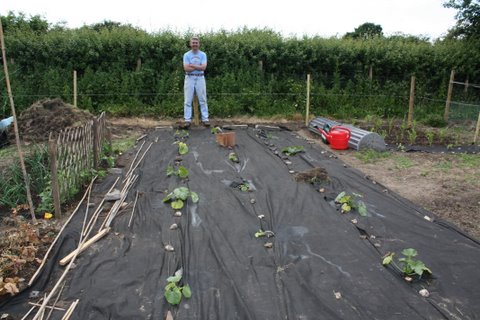
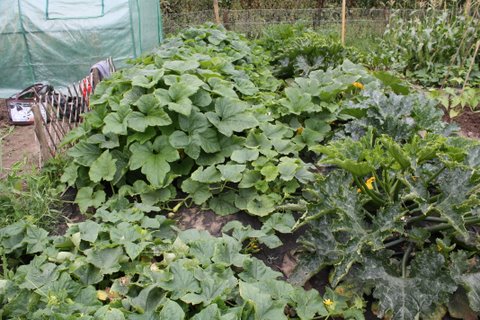
The pictures below show that the plants started fairly slowly, but aided by the damp summer really took off once they got going.

Squashes and Courgettes 21 May 2011


Squashes and Courgettes 26 July 2011

By the end of the summer they had climbed over the frame that had hosted the early peas and run half way down the poly tunnel as well as tried to climb out of the plot.  However, in doing this they also yielded a great crop.  At its height the yellow courgette was producing a handful of fruit every day and with three other plants as well, we were giving away a lot, even late in the season we were still getting great value from the plants.
 
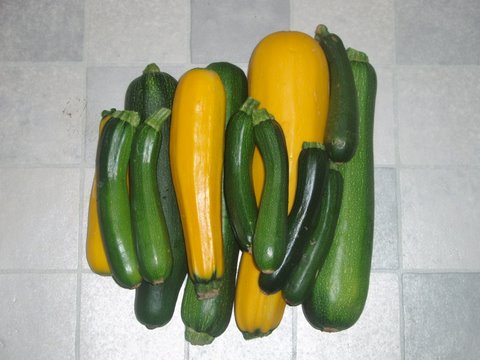
The picture below shows a week’s worth of harvest in mid-September.
 

A week's worth of courgettes in September

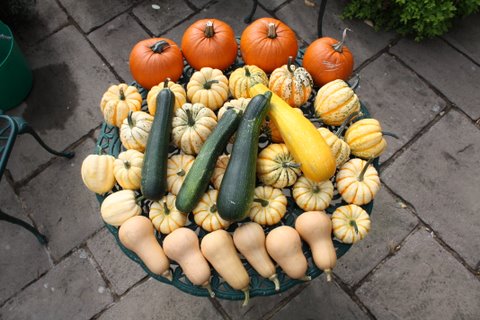
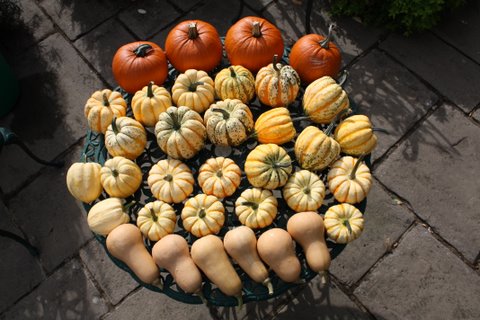
Meanwhile the squashes and pumpkins matured slowly in the cool damp summer, but the late burst of heat in September helped them to ripen up leaving a substantial and colourful harvest of vegetables that should store well into the winter to complement the brassicas that are now maturing.

The harvest curing

We also found that allowing the courgettes to mature into marrows means that the much tougher skin enables them to be kept far longer.

More a marrow than a courgette


Harvesting and Planning

I managed to spend a couple of hours in the allotment earlier this week, which was enough time to tidy up both of the cleared sweet corn beds, harvest the next batches of pumpkins and squashes and strim the pathways (until the battery ran out).  We now have a healthy crop of squashes and pumpkins curing that will give us fresh veg for a few months to come.

Squashes curing

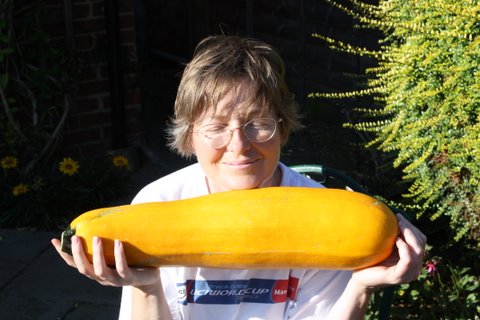
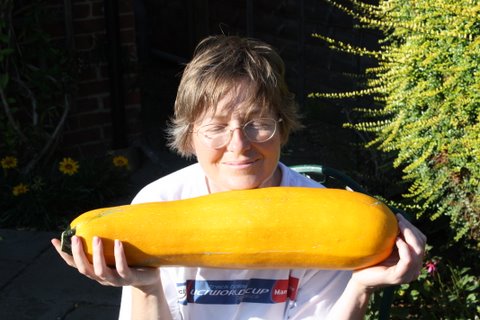
I also harvested the yellow courgette that we have been growing on so that we can collect some mature seed from it.  As the photo shows there is not much that is “ette” about it now.  It was great being down there, partly because of the air of satisfaction there is in both harvesting and tidying, but also because the weather was glorious – the shirt even came off for a while, a distinct rarity for a pasty Englishman.

A courge

Then today we both spent a large chunk of the day down at the allotment and got a lot of weeding and tidying done, as well as harvesting more squashes.

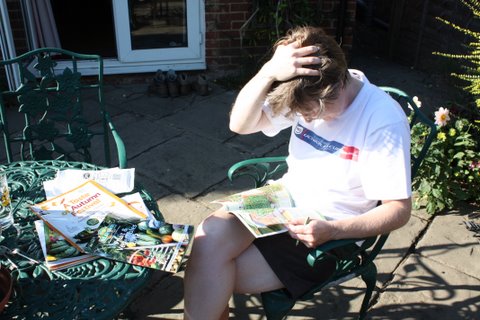
Back at home we reviewed the plans for next year and started to work through the seed catalogues.  The constant looking forward of gardening really does make it a positive and optimistic hobby.

Lynn perusing next year's options

Whilst checking the seed stocks we noticed that the onion sets had started to sweat a little, so they were planted in a bit of a panic.  We’ve started them in cells so that we can then plant out established plants in the allotment.

Indian summer

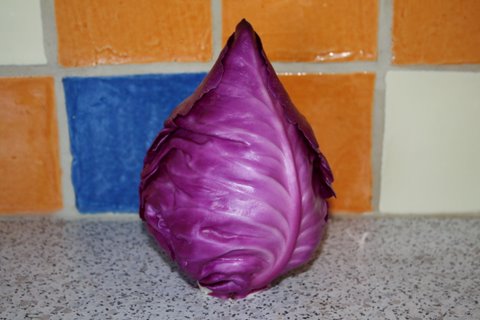
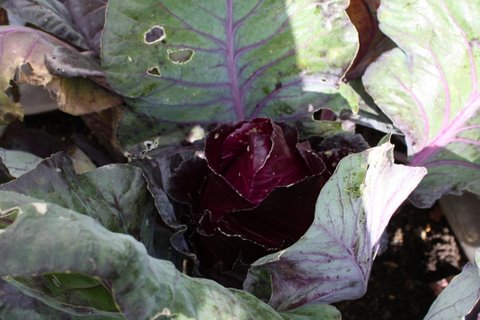
After a week away and some catching up in the office, I took advantage of the glorious weather to get into the garden and cracked on with a number of jobs that have been bubbling under on the “To Do” list.  These included mowing, planting the elephant garlic, weeding the asparagus bed again, checking the brassicas, finishing clearing up the growbags and pots that had hosted the blighted tomatoes (a couple have started to re-grow, so I’m giving them a little time to see if we can sneak a late harvest) and potting on some strawberry runners to get a strawberry bed started on the allotment.  I harvested the first of the Kalibos cabbages and this looks absolutely splendid.

 With the cabbage weighing in at the thick end of 2lb we’ll get plenty of meals out of it and the glorious weather at the moment should be helping the others to mature like this one.

Kalibos cabbage

The main job was to powerwash the back patio to clear out the moss and lichen as well as clean up the stones.  When this dries out tomorrow I’ll brush it down and will then transfer the various plants and cuttings that have been on the table to the cold frame so that we can have a sitting space again.  No doubt the sun will disappear just before we have chance to use it, but we live in hope.

A Bit of Sunshine

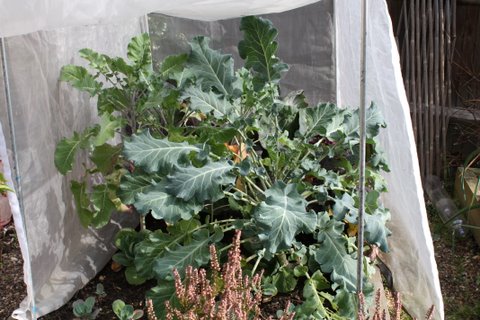
As the weather has been a bit brighter over the last couple of days, I have been able to catch up on tidying up the garden ready for the autumn.  As the sun broke through I took a few snapshots.  The vegetable beds are looking good and over the next couple of months, these will come into their own as we have autumn/winter crops growing here.  The brassicas are doing nicely, although the purple sprouting broccoli has rather swamped the Minicole cabbages.

Brassica Bed Aug 2011

The Kalibos cabbages, which were well set before the purple sprouting broccoli was planted out are doing much better.

Kalibos cabbage

The mesh has proved invaluable over the last couple of years in keeping out cabbage whites, but the recent wet weather has brought the slugs and snails out again, so there is some damage from them, but the plants are robust enough to cope with that now.

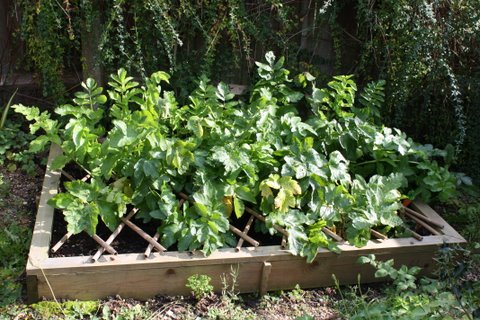
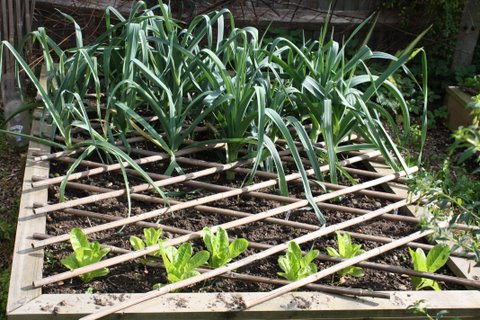
Lynn’s parsnip bed is looking good, so we should be fine for Christmas Dinner.  In addition the leeks are as good as we’ve had for a couple of years and a late sowing of Little Gems is looking promising for autumn salads.

Parsnips

Leeks and late lettuce

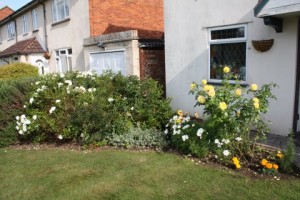
On the floral front, the front garden is looking better and the yellow/white and blue colour scheme is starting to develop although the blue provided by primulas and rosemary is not so clear at this time of year.

Potatoes

I have spent a fair amount of time over the last week cleaning up and sorting potatoes (starting with a second sift of the Vales Sovereigns that we had initially identified as keepers).  Only a few of the sorted Vales Sovereigns were showing some signs of damage and as we are planning to only put unblemished potatoes away for storage I sifted those out before leaving all of the re-washed potatoes out for drying.  I bagged up the Vales Sovereign potatoes, with 4 stone being put away for keeping.  With the stone and a half of Rudolphs we probably already had enough potatoes to see us through to next spring.  However, there were also the Caras to be harvested.

The first impression of the Caras was of the size of the tubers, there were a lot of big ones and some huge ones – the biggest weighed in at 2lb by itself.  The second impression was the relatively high level of pest damage – certainly compared to the Vales Sovereigns, whether this is down to the variety, or because the last three weeks have been pretty soggy, so the slugs have been active I’m not sure.  I did a rough sort and put the potential keepers on one side to dry and put the quarter or so of tubers that were slightly damaged into a box for giving away at the roll-up.  The badly damaged ones I used for making chips immediately and the Caras are certainly good for this.  We have about 5 stone of Cara put away for keeping and a box in the kitchen for using, in addition we have given away a couple of stone of slightly damaged ones.

We have also started cutting pumpkins and winter squashes for storage.  We have been really impressed by the flexibility of winter squashes in the kitchen and have had them roasted, mashed, fried and stewed.  Their hard skins should ensure that they keep well, meaning fresh vegetables well into the winter.