An Asparagus Dish

After rhubarb, another early season crop is asparagus and this has been coming up nicely for a couple of weeks now.  As this is our first year of harvesting we have been thoroughly enjoying the treat of fresh asparagus and are generally doing as little with it as possible.  However, last night saw a little bit of experimentation.

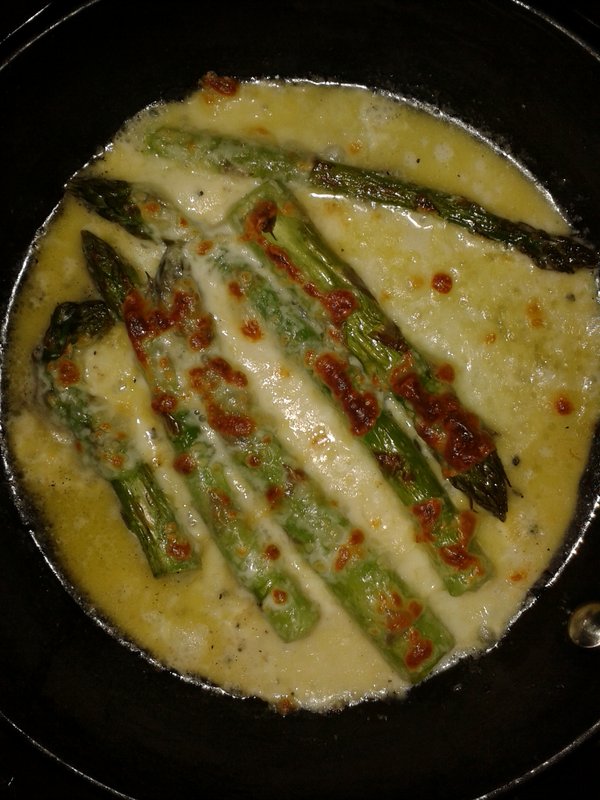
We poached the spears in a bit of butter with some salt and pepper and then covered them with Mozarella, before putting the dish under a grill to melt and colour the cheese.  The result (below) tasted as good as it looked, offering a little something extra, while retaining the simplicity with which we generally like to treat our fresh vegetables.

Asparagus and mozarella

Asparagus and mozarella

Rhubarb Crumble

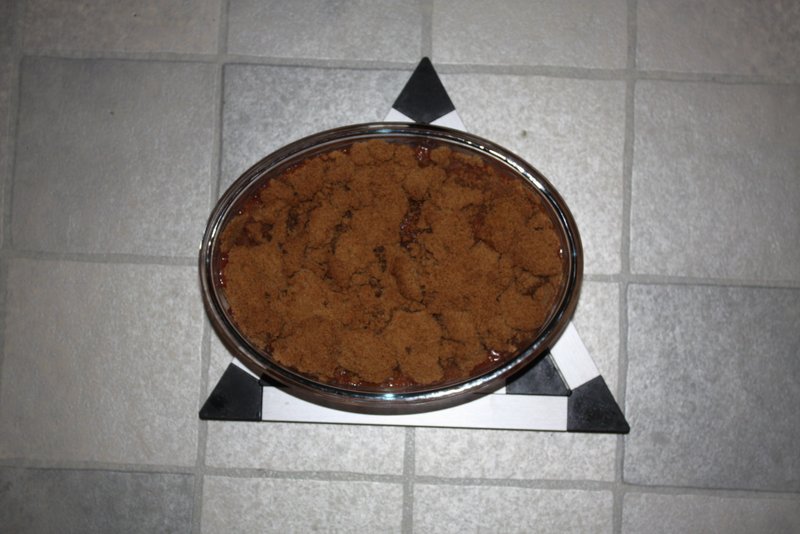
In our last post we mused on the fact that seed sowing (even indoors and in propagators) means that spring must be on the way.  In our house, a real marker that it must have arrived is the first rhubarb crumble of the year and here it is!

The first crumble of the year

The first crumble of the year

Since Father Christmas bought Mark a 1-day cooking school at Le Manoir aux Quat’Saisons that gloried in the title “From Garden to Plate” (http://www.belmond.com/le-manoir-aux-quat-saisons-oxfordshire/cookery_courses) we have used Raymond Blanc’s recipe for Crumble and despite the Gallic hyperbole that this is “A traditional English dessert… perfected by the French” we do like the extra crunch that pre-cooking the crumble mix gives.  The recipe is …

100g Plain Flour

50g Brown Sugar

50g unsalted butter

Pre-heat the oven to 170°c.  Ina large bowl, mix together the flour and sugar.  With your fingertips rub the softened butter into the mixture until the crumble forms a light breadcrumb texture.  Spread the mixture evenly on a metal oven tray and bake in the oven for 10-12 minutes until golden brown.

This mix can then be spread over your choice of filling and reheated in the oven or under a medium grill as required.

Seeds and Propagation

Despite the horrible weather that has dominated the start of the year, we have reached that time when thoughts start to turn towards the new growing season.  The seeds that arrived last autumn have been stored away and the annual sowing spreadsheet updated and now that we are in February the nagging timetable in the spreadsheet has meant that it is time to start cleaning the propagators, sieving the compost and sowing the seeds.

Our standard practice as described earlier is to bring on almost all of our seeds in trays or cells before planting out.  This means that whatever the weather we can get seeds going and kick start the most optimistic time of the year.  When the first seeds start to sprout and the window ledges fill up, you know that spring (and summer) can’t really be far away.

We have been lucky in that neither the garden nor the allotment have actually been flooded, so although things have been very wet we haven’t experienced the same amount of trouble as many.  Indeed looking forward the healthy levels of ground water should mean a good growing season, provided that we do get a reasonable amount of warmth and sun later in the year.

Winter, weather and gardens

Has the weather really got wierder over the past few years or do we just notice it more now that it matters so much more – frosts in the late spring affect gardeners as well as plants.

Since starting this business (and series of blogs) we have had two hot, dry springs (2011 and 2012), both followed by soggy summers and a bitterly cold spring in 2013.  Last autumn and this winter have seen the wettest few months that we can remember – official stats seem to agree with our memories.  We have been relatively lucky with regard to flooding, most of the properties in the village seem to have escaped without being inundated, despite the fact that the Thames runs through the heart of Cookham.  The flood plain seems to have done its job and while there were moments when it looked as though it was close to capacity, there were some millions of gallons of water that were held on field for a few days before returning to the river.  Had this all gone downstream at the same time the damage further down the river would have been even worse than it was.  This “lake” is normally pastureland with a small pond frequented by ducks and swans.

Widbrook Common

All this water has an effect on gardening as well, much of the ground is now so wet that setting foot on it starts to compress it and damage the structure.  This means that the sensible option is to steer clear of the soil and that therefore some of the jobs normally done at this time of year are on hold, for example pruning fruit trees.  For many of these jobs there is a window of opportunity and it is likely that things will dry up before this window closes, so as ever patience is the gardener’s friend.  More irritating is that the unseasonable warmth means that weeds are continuing to grow, yet beds, lawns and borders are so soft that weeding sessions could make more mess than they clean up.  A couple of clear cold weeks would help to get everything back into balance.

In the meantime there is plenty to be done indoors, propagation continues and seed sowing is imminent.  Outdoors there is always the promise of spring and these crocuses sprouting amongst the primulas will soon be in full bloom.
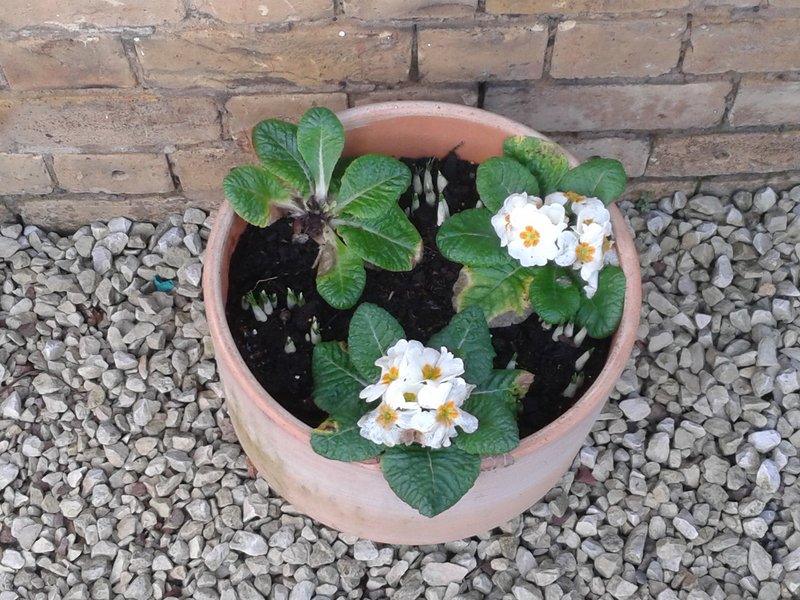
A promise of spring

Merry Christmas

Merry Christmas to all our readers.

Merry Christmas

Lynn’s home-made wreath features Christmas Box (Sarcococca confusa), holly and the trimmings off the bottom of the Christmas tree.

Dinner will feature many of our own vegetables – roast potatoes and parsnips (the former sitting under the duck to soak up the fat), steamed sprouts and carrots and stir-fried beetroot with red cabbage.  No photos of the vegetables, as getting on with the cooking is today’s priority.

Colourful Food

We grow our food for eating, although we do have the occasional conversation about showing, before doing nothing about it.  Because of the culinary importance of the allotment we have worked this year to give year round crops.  In the ground at the moment we have the last of the carrots, parsnips and beetroots that will see us through to the New Year, celeriac that will also continue to crop throughout the winter and assorted winter greens, cabbage, Brussels sprouts, purple sprouting broccoli and perpetual spinach.

Taste is paramount and we generally select our cultivars on flavour in the first instance.  Other factors such as disease or pest resistance come into play, but we see little point in growing something that the pests won’t touch if the suspicion is that they won’t eat it because it doesn’t actually taste of anything.

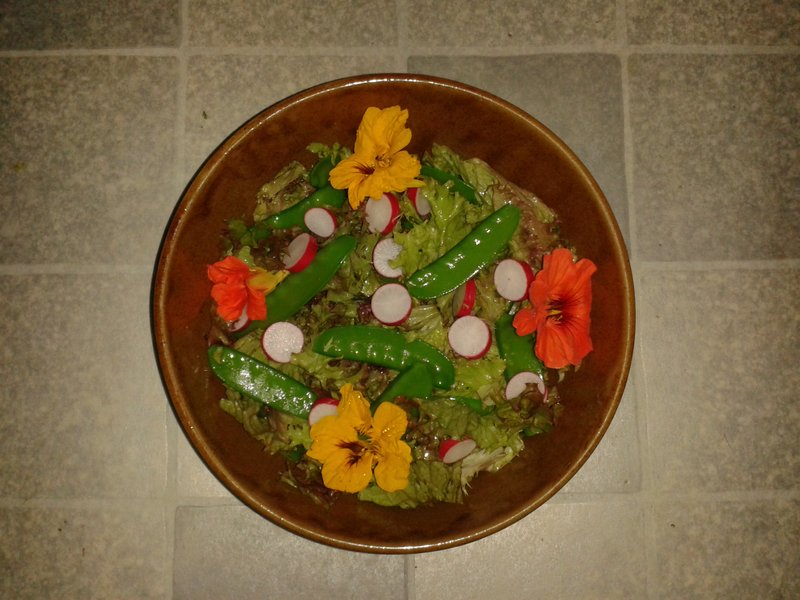
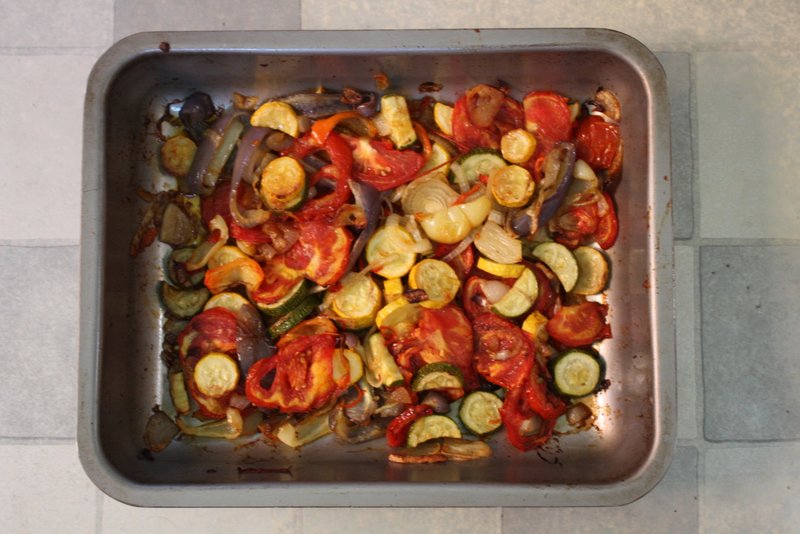
Despite the focus on flavour, one of the joys of food is the way that colour can enhance the appeal of a dish.  Growing your own means easy access to tasty vegetables in a variety of colours and whether served hot or cold, a colourful dish is a treat for all the senses.

Technicolour salad


Roast vegetables