Happy New Year

With the Christmas Decorations still up, we’d like to wish everyone a Happy New Year.

Our Christmas wreath benefited from a tip on Gardeners’ Question Time.  This was to cover up holly bushes to protect the berries from marauding pigeons, if you want some for decorations.  Admittedly the bush looked a bit daft with one of our brassica nets slung over it, but it was worth putting up with that for a couple of weeks, in exchange for a profusion of berries for decorations.

Wreath - With holly!

Wreath – With holly!

The protection is now off the bush and the pigeons have nearly stripped it.

Christmas Parsnips

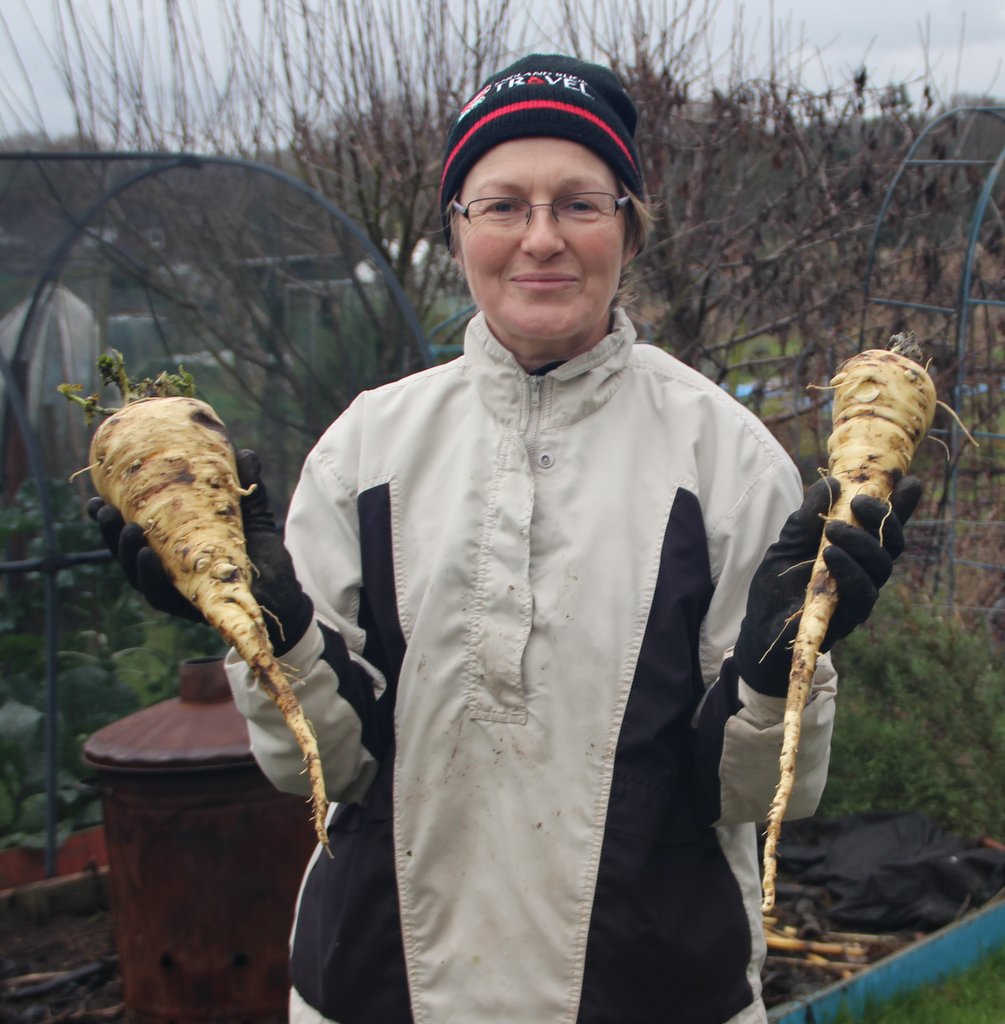
Christmas is about tradition for many people and one of ours is digging the Christmas parsnips.  Despite talk of the flavour improving after frosts, we tend to find that ours don’t like the fairly wet autumns that we’ve experienced recently.  The roots are at their best in the early autumn and when winter sneaks up, they have tended to start to develop some canker.  This soon peels off and given the size of the roots, there will be plenty left for roasting.

Christmas Parsnips 2016

Christmas Parsnips 2016

Quince Jelly

We’ve written before about the joy of quinces, but having just made this year’s batch of jelly ready for Christmas cheese boards, we thought that we’d add a bit of detail.  The recipe is pretty basic – quince, lemons, sugar and water. You will need a preserving pan or large saucepan and a jelly (muslin) bag.

Making it is almost like cooking alchemy, as during the process what begins as a yellow mush turns to a clear red jelly and the house fills with the lovely fragrance of quince.

Wash the fruit and cut into quarters (no need to peel or core them). As quinces are cut, put into a pan of barely simmering water so that they are covered and won’t discolour.
Bring to the boil and simmer for 45 – 60 minutes until the fruits go soft. This is the yellow mush stage. Cover and leave overnight. Pour into jelly bag held over a large bowl and leave to drain for several hours.  It’s important not to force this bit or squeeze the contents of the bag or the final jelly will be cloudy.  Even at this stage, the juice looks fairly unpromising.
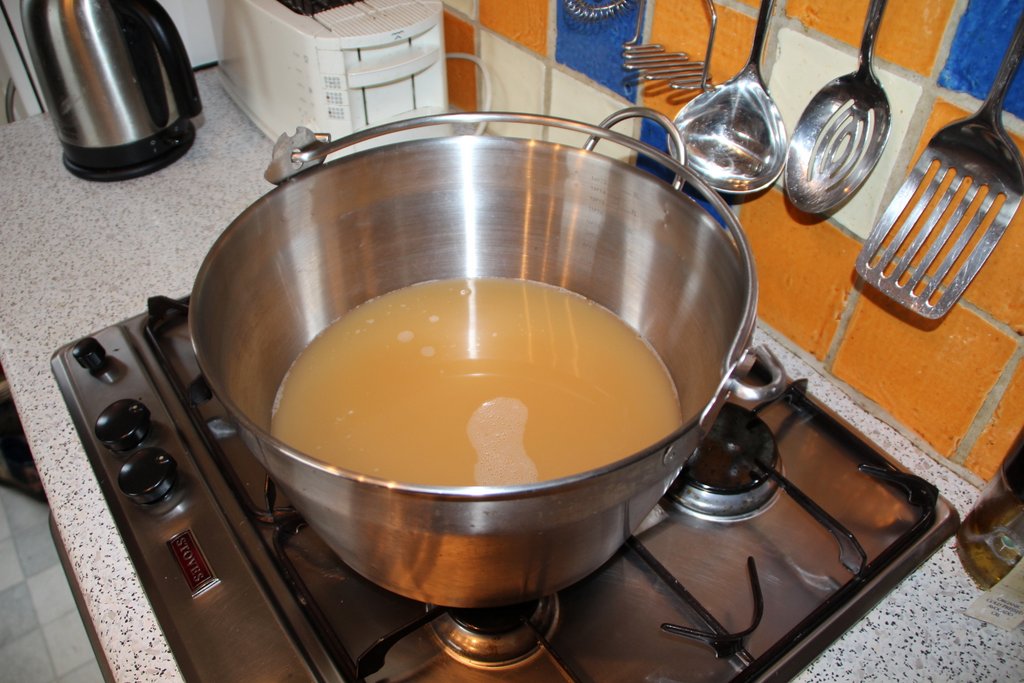
Quince Juice

Quince Juice

Measure juice into pan and mix with 12 oz. sugar for each pint of juice (we use preserving sugar but any white sugar will do).  Add juice of 2 lemons. Heat gently and stir until sugar is dissolved. This is when the colour starts to change.

Then boil rapidly and remove scum from the top as it forms. Boil for about 10 minutes or until the setting point is reached and pour into sterilized jars.  As you can see this year’s batch was not quite crystal clear, suggesting that we could have strained the pulp a bit more slowly.  Perhaps by dividing it into two batches to reduce the weight in the jelly bag.  Nevertheless early taste tests indicate a Happy Christmas to come.
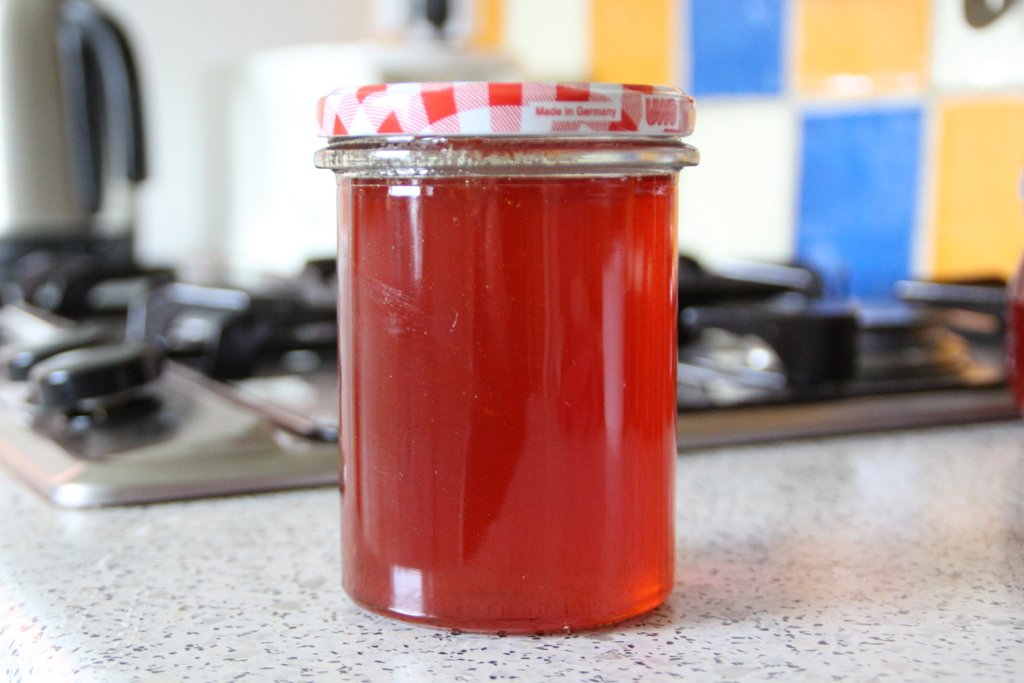
Quince Jelly

Quince Jelly

The Village Show

Yesterday was the Cookham Village Show and for the first timer we entered some of the fruit and vegetable classes.  We grow for fun (and mostly to eat) but wanted to support the local show.  We found that the difficulty of getting the matching specimens needed for showing confirmed our view that we won’t be entering any of the bigger shows around.  We don’t really want to be digging up/harvesting more than we can eat or use at any one time simply to have the requisite number of matching carrots (or whatever).

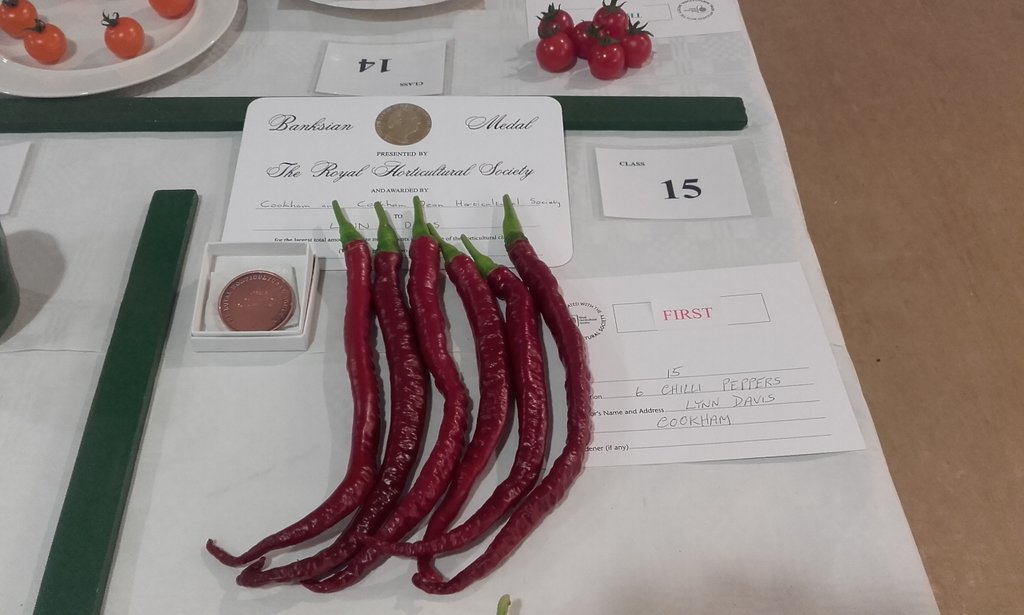
We did have some successes, winning prizes for carrots, sweet peppers and a collection of three types of vegetable (in our case carrots again – albeit a different variety, parsnips and onions), but probably our best entry was the chilli peppers.  These were Joe’s Long, which are not only appropriately named but very prolific, so that we were able to get the required six matching peppers.

Prize Chilli Peppers

Prize Chilli Peppers

Gigantomo

The giant pumpkin may not have been that giant, but we’ve had rather more success with giant tomatoes.  the cultivar that we’ve been trying is Gigantomo.

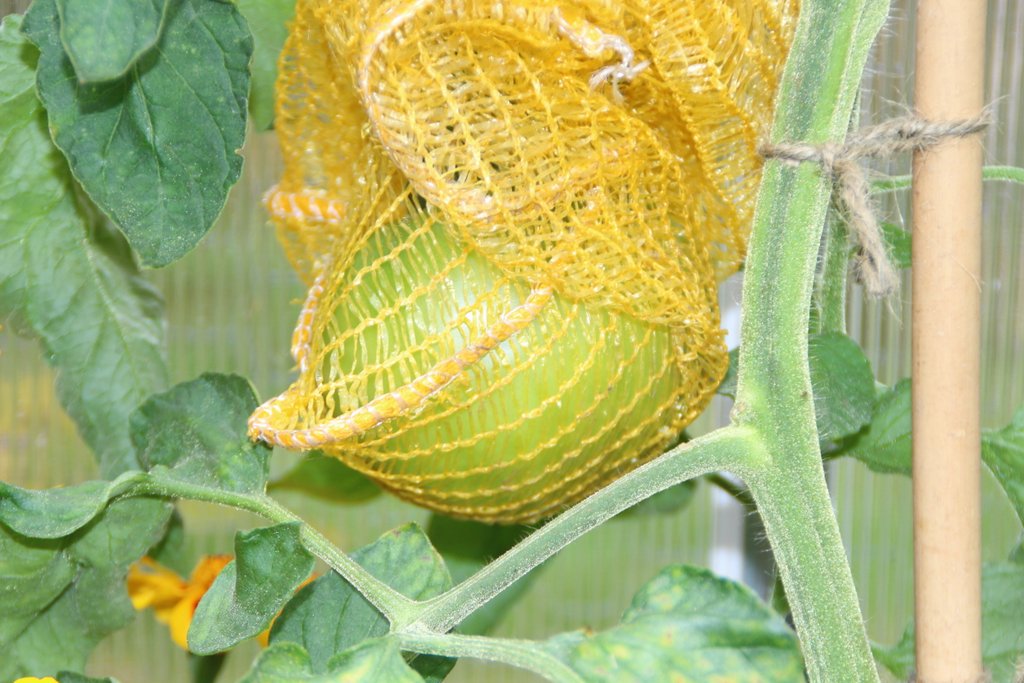
It became apparent quite early in the year that there was a good deal of promise and we had to support the larger fruit (using old seed potato bags).

Gigantomo 21 July 2016

Gigantomo 21 July 2016

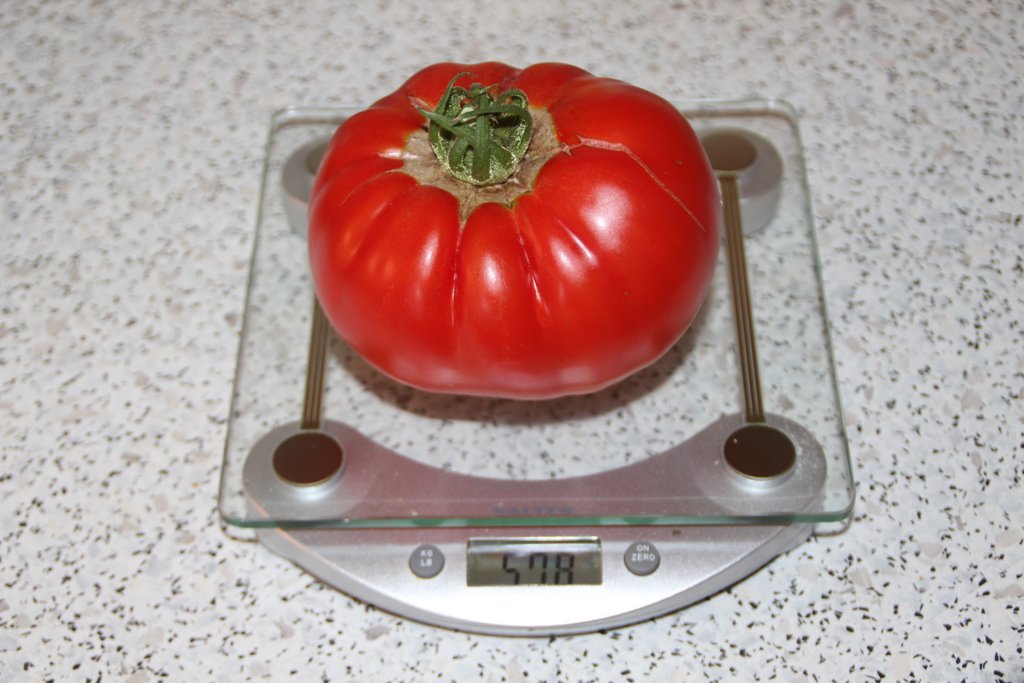
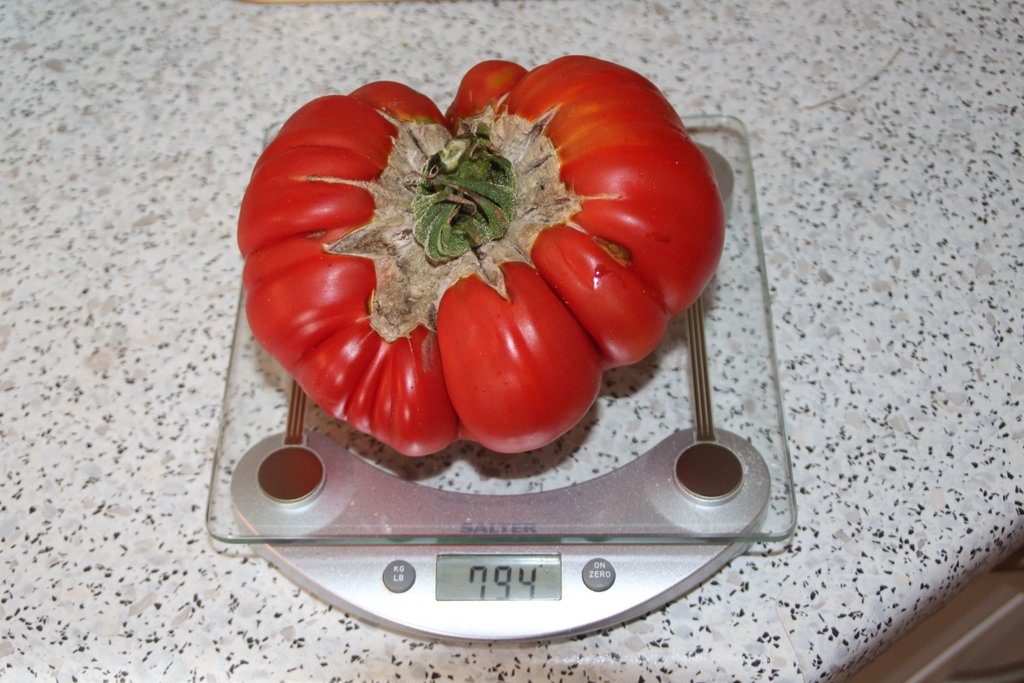
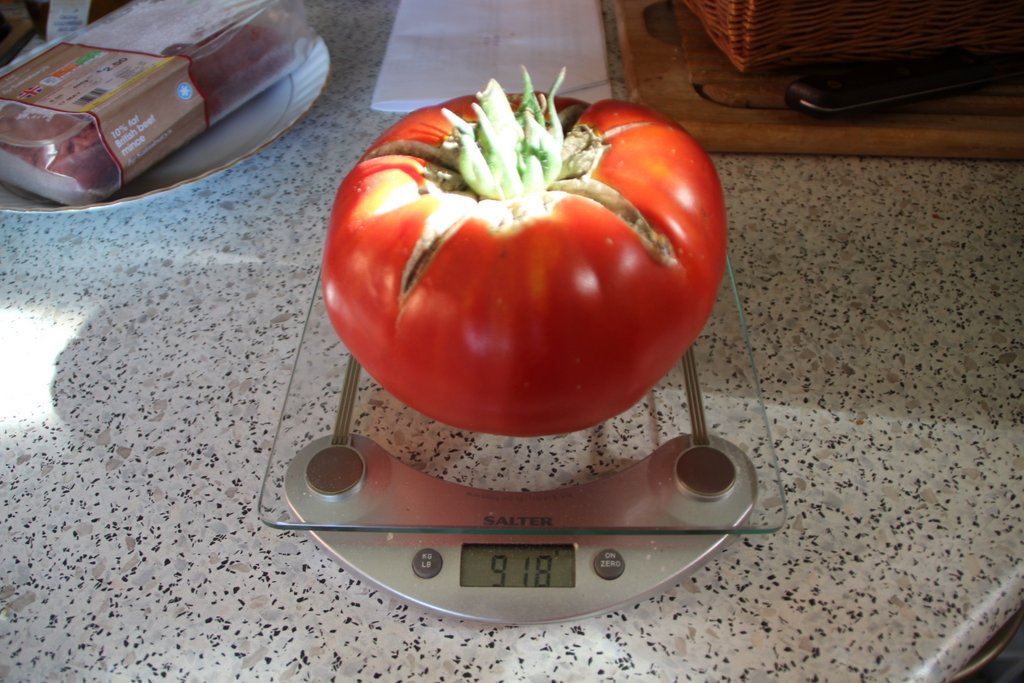
By the time that the fruit had ripened we had experienced a bit of splitting, so that they weren’t the most aesthetic of specimens, but they were big. Early contenders started to weigh in at over a pound (almost 600 and 800 grammes), but the biggest managed to tip the scales at just over 2lb


gigantomo

gigantomo-2


"Gertie" the gert big tomato

“Gertie” the gert big tomato

Most importantly the fruit were delicious.  “Gertie” made a marvellous meal sliced with Mozarella, olive oil and our own basil and served up with crusty bread.

Giant Pumpkin

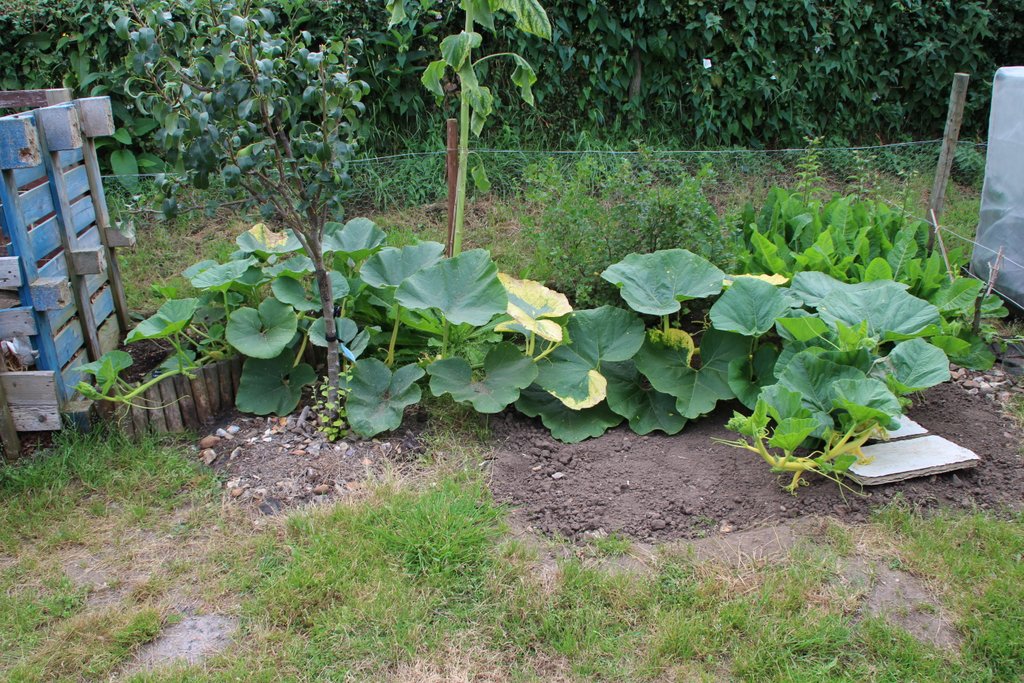
We’ve been trying to grow a giant pumpkin this year, but think that we’re going to have to concede that “Shrimpy” isn’t going to be a record breaker.  the plant took off quite nicely and we tried to trim off the side shoots and early flowers to focus the plant’s energy.  It was looking promising in July when we selected our first fruit at the tip of the plant.

Giant Pumpkin 21 July 2016

Giant Pumpkin 21 July 2016

Unfortunately the first fruit that we selected didn’t develop properly and had to be removed after a couple of weeks meaning that we had to wait for another one to be set (we’d been assiduously removing any competitors before this).

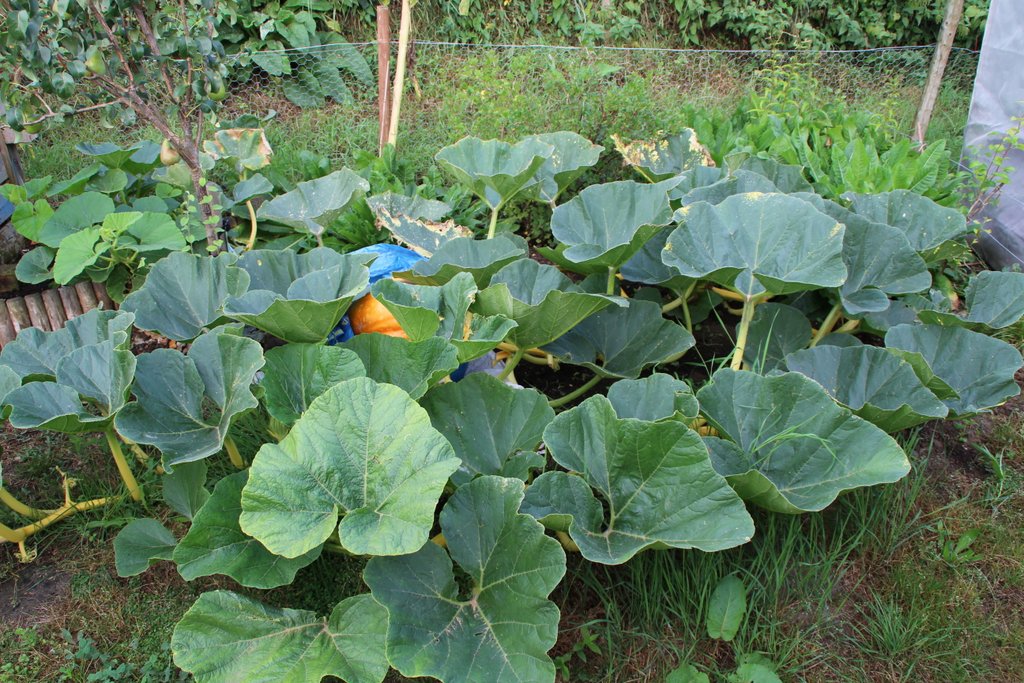
Within another six weeks the plant had shot on and the next fruit had started to develop.


Pumpkin Plant 4 September

Pumpkin Plant 4 September

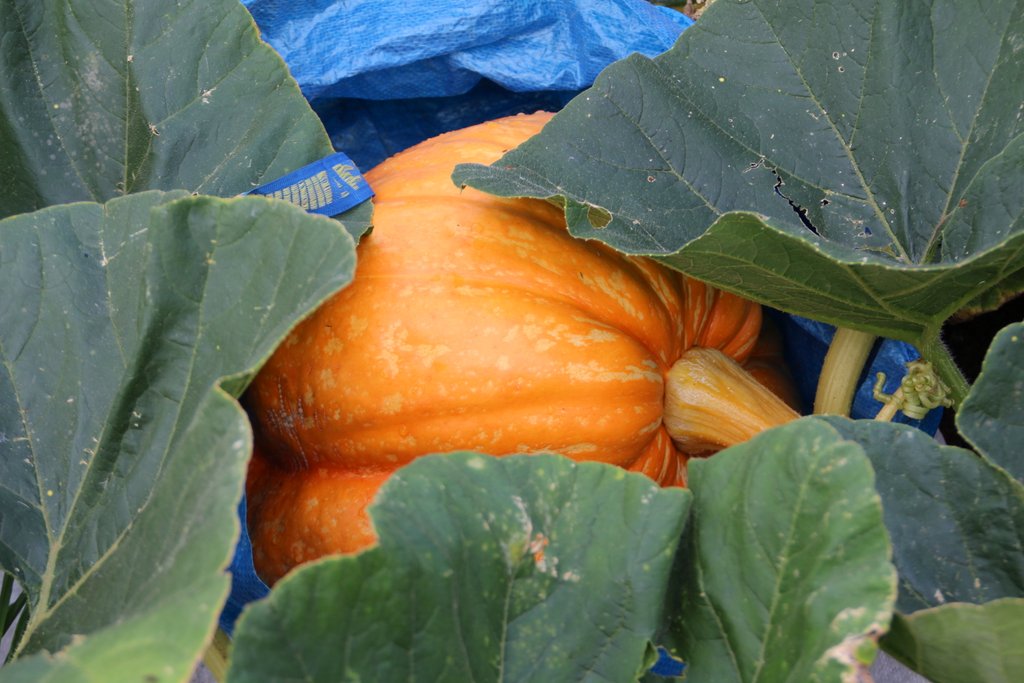
It had developed nicely, and we had to slide a builder’s bag underneath it to help us harvest it, but it was too late in the season for it to become a real giant.

Not Quite Giant Pumpkin

Not Quite Giant Pumpkin

At just over 20 kg (50lb) it was big enough to make a lot of soup, but was no show stopper. Better luck next year!