Garden Tips – May 2018

Despite the curious weather that we have seen so far this year, by May we can assume that the risk of a hard frost has passed and with longer, warmer days everything should be growing.

Of course warmer weather means that the weeds will start growing quickly, so make sure that you keep on top of the weeding early in the season before annual and ephemeral weeds set seeds and perennial weeds get established. Warmer weather also brings out the pests and Lily beetles and aphids are both problems at this time of year. Watch plants carefully to make sure that if pests are starting to infest that you catch them early. Observation is at the heart of an integrated pest management system.

More positively, you can start thinking about extra summer colour now, as well as summer bedding in borders, summer containers around doors and sitting areas brighten up the garden at a very reasonable price. The colours of summer bedding are great, but as well as colour, don’t forget scent and even edible options. A hanging basket of tumbling tomatoes looks good, gives a hefty crop and is a conversation piece. Another eye-catching option, that will also give heady scent, is to create a wigwam of sweet peas in a large pot. If you cut the flowers regularly it will help prolong flowering giving you benefits both indoors and out.
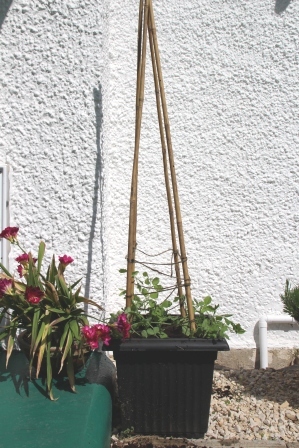
Sweet Pea wigwam 7 May

Sweet Pea wigwam 7 May

May is the peak month for Rhododendron flowers, so dead-head them at the end of the month to create space for new shoots.
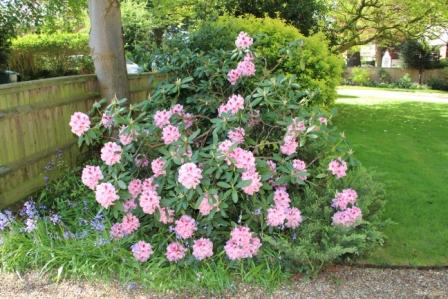
Peak Rhododendron 1 May
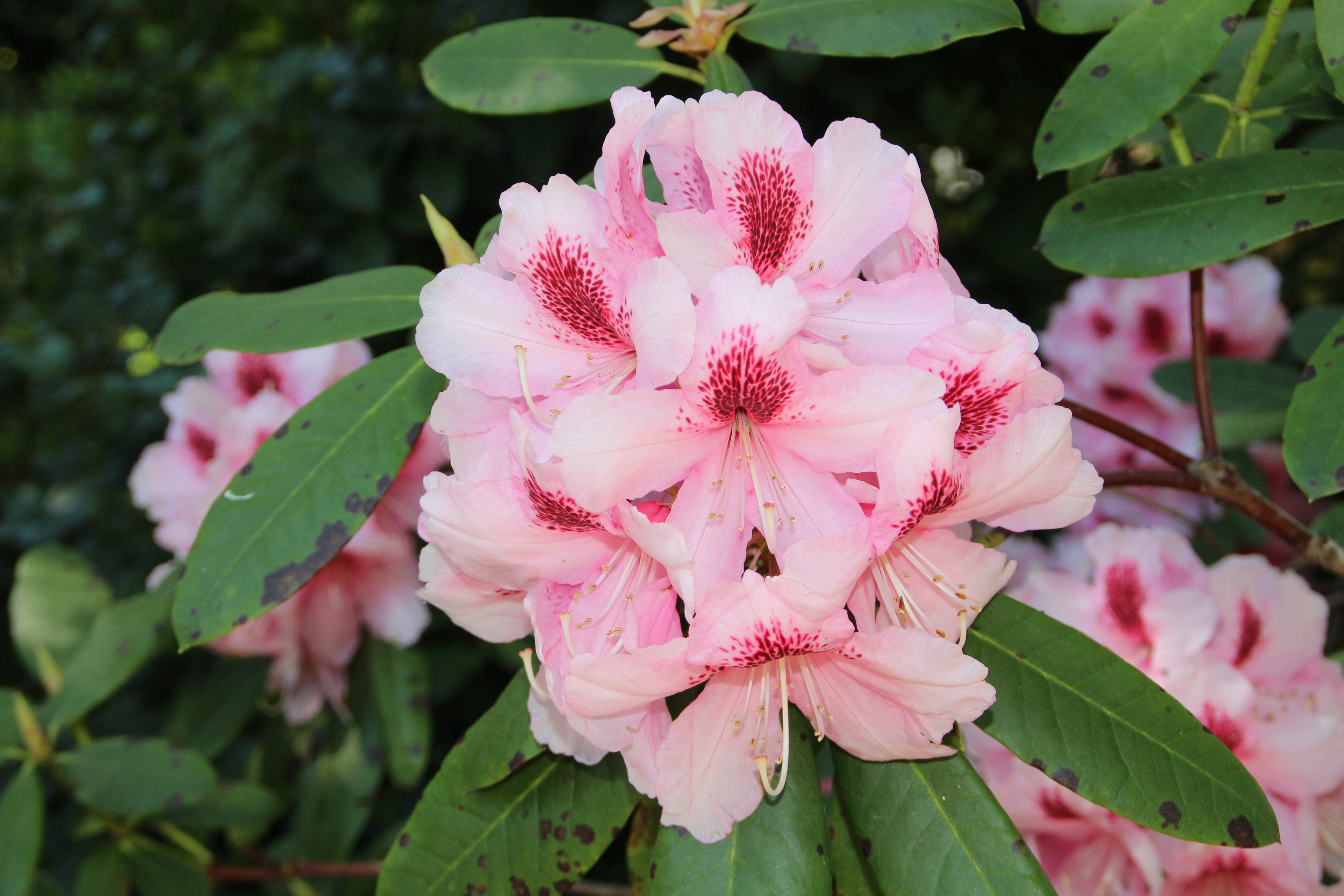
Peak Rhododendron 1 May

Rhododendron 2

Rhododendron Bloom 1 May


For high and late summer colour, dahlias and Cannas are popular and reliable performers. Neither of these plants are frost hardy, so make sure that you wait until all risk of frost has passed before putting them out. If you have facilities like a greenhouse, then bringing dahlias on in a greenhouse will mean that the plants are much bigger by the time you plant them out and flowering will start earlier.

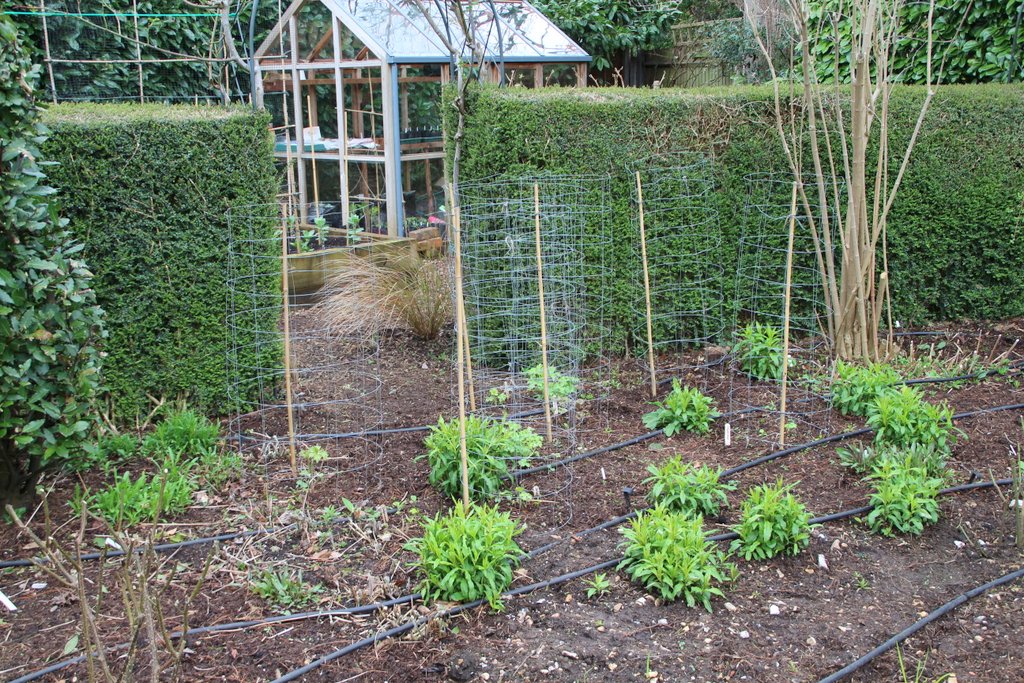
In the vegetable garden you should be earthing up potatoes and planting out the tender summer fruiting crops such as courgettes, squashes and tomatoes. If you’re lucky enough to have an asparagus bed then you should be reaping the rewards of your foresight right now.
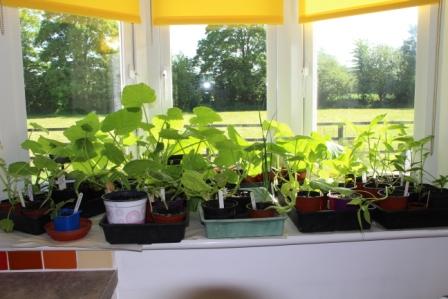
Waiting to go out 7 May

Waiting to go out 7 May

You’ll probably be into regular grass cutting by now and a high nitrogen feed will help the sward to thicken up. If you have problems with moss and want to reduce the weed population, then it is worth using a complete “weed and feed” mixture. Following a treatment with scarification will get rid of thatch and dead moss and get air to the grass roots to help the grass plants grow more strongly.
Garden Tips – April 2018

With March this year starting with some serious frosts and a couple of hefty snowfalls in the Thames Valley, remember that even in April, cold snaps are possible, so be prepared if frosts are forecast.

More positively, as the sun is now getting higher in the sky and the days are getting longer, it is likely that we will see increasing light and warmth. In our area April has tended to be quite warm and dry in recent years. So as well as watching for frosts, make sure that greenhouses are ventilated if it does get hot!

If soft ground has kept you off the borders and lawns, then by April you ought to be able to start getting back on to them. Mind you at the time of writing, Cookham is subject to a flood alert and the river is still rising. Once you can get back into the borders, give everything a thorough weeding then feed and mulch to help your ornamental plants get ahead of the weeds.

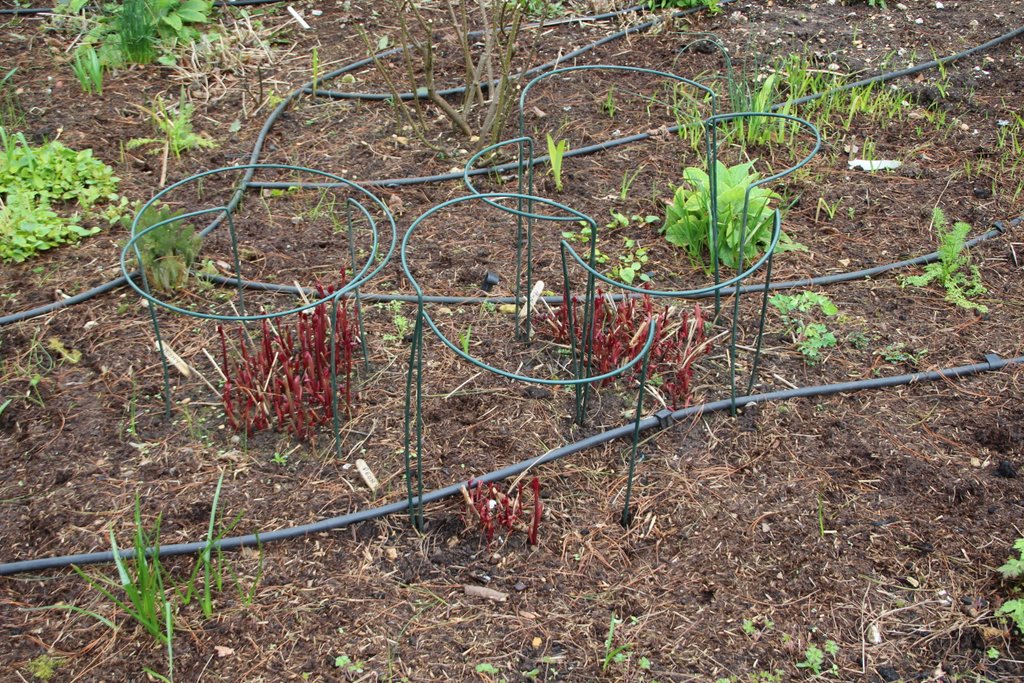
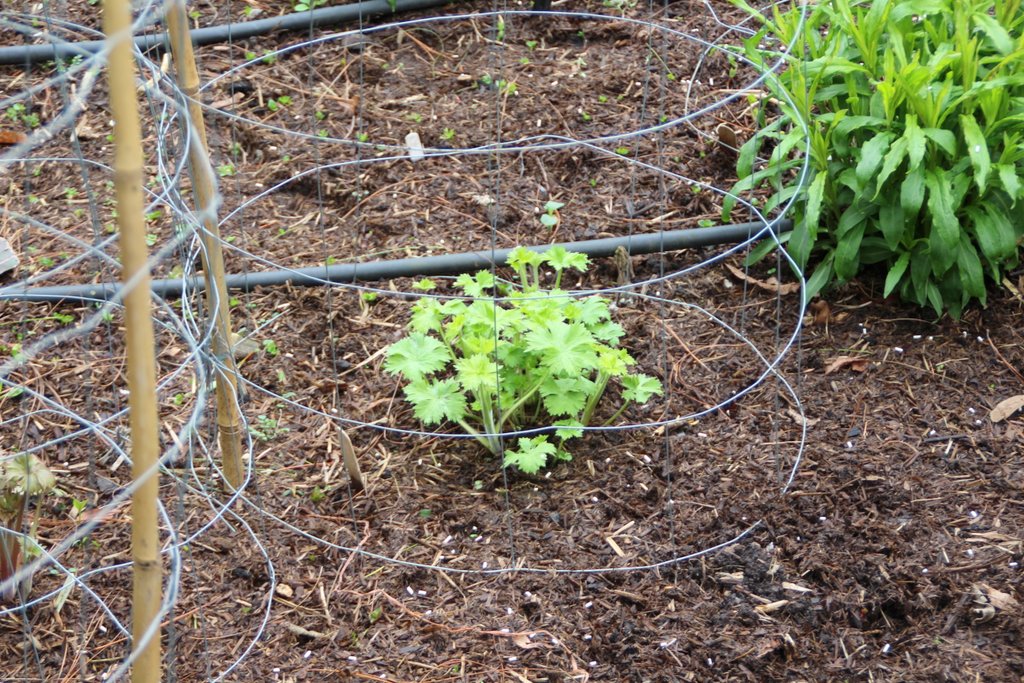
It is also worth getting supports in for plants now so that they are already in place by the time that the plants need them. Delphiniums and Peonies are emerging now and will soon be shooting up, so get the stakes in while the borders are still relatively clear and the plants are easy to get to.

Peonies

Peonies

Delphinium

Delphinium

Delphiniums

Delphiniums

Herbaceous perennials will be coming into strong growth now and it is a good time to split them, either to rejuvenate old, large plants or to propagate new ones. It is also a good time to prune early flowering shrubs like Forsythia.

In the kitchen garden, early April is a good time to get main crop potatoes in the ground and as the soil warms up later in the month then it is time to start sowing carrots and parsnips.  if you have a little bit of patience with carrots and parsnips and do wait until the soil warms up you will get much more reliable germination, it is also best to use new seed for these two crops.

For parsnips we tend to station sow, with three seeds per station and then after germination we thin out to leave just the strongest seedling. With carrots we often mix the seed with sand to thin out the sowing levels so that we don’t have to thin out the seedlings too much later on, a process that can attract carrot root fly.

Garden Tips – March 2018

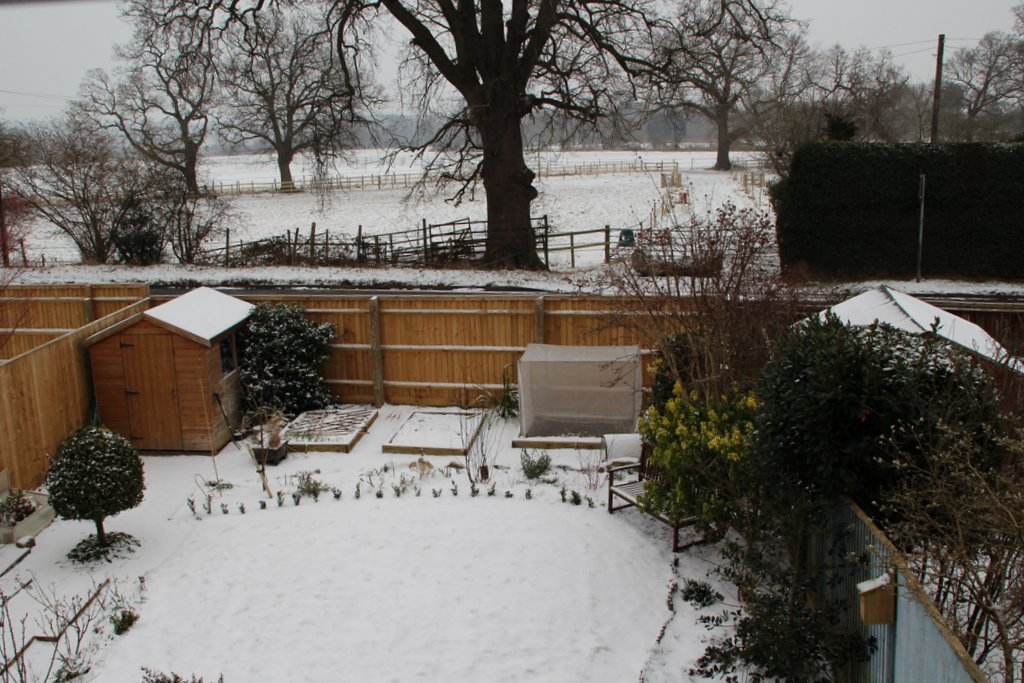
We often give a warning that even though meteorological spring starts on the first of March there can still be bursts of cold weather. That is definitely true this year.

First day of spring 2018

First day of spring 2018

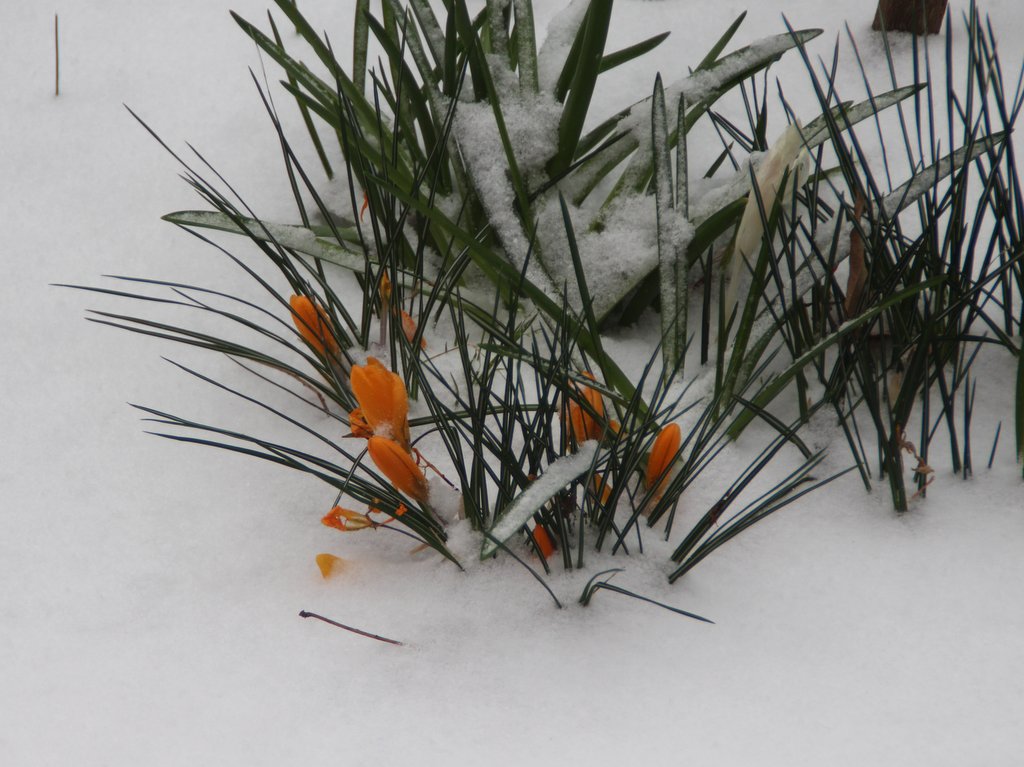
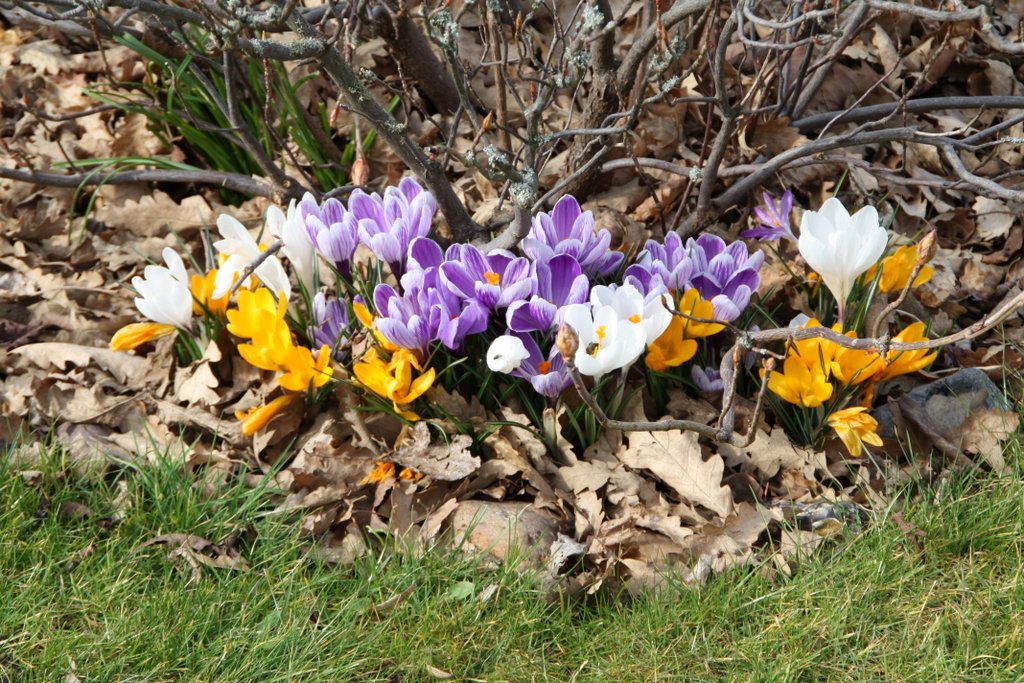
Brave crocuses

Brave crocuses

By the end of March the hour will have gone back and with more daylight, things will really get growing. Of course new growth on emerging perennials like Hostas and Delphiniums is a delight for slugs and snails, so be ready with your preferred defence.

As the month wears on, the flowers on the earliest spring bulbs will start to die off, so be sure to pinch off the dead heads so that the leaves feed the bulb for next year, rather than encouraging seed formation. Leave the foliage for 4-6 weeks after flowering to get as much photosynthesis as possible.

March is a good month for pruning perennials such as Cornus and Salix that are grown for their striking stem colour over the winter. New growth gives the best colour, so you can prune back hard, but if you want the interest at a greater height, for example at the back of a border, leave a longer old stem so that the newer growth will be higher up. Buddleia is another plant that can be cut back hard now as it flowers on new wood later in the year.

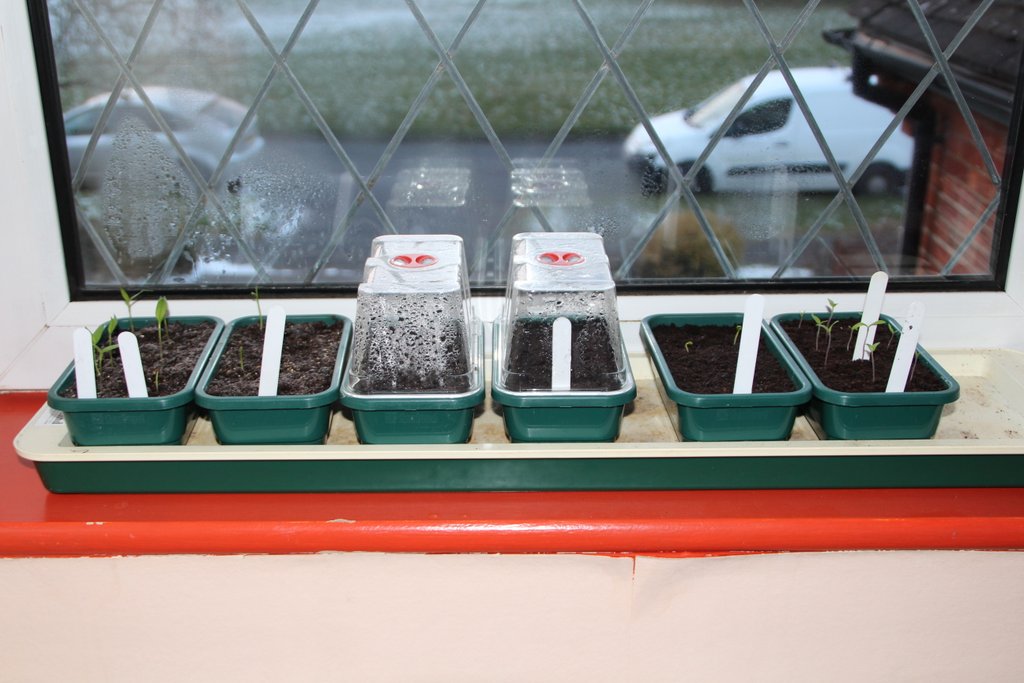
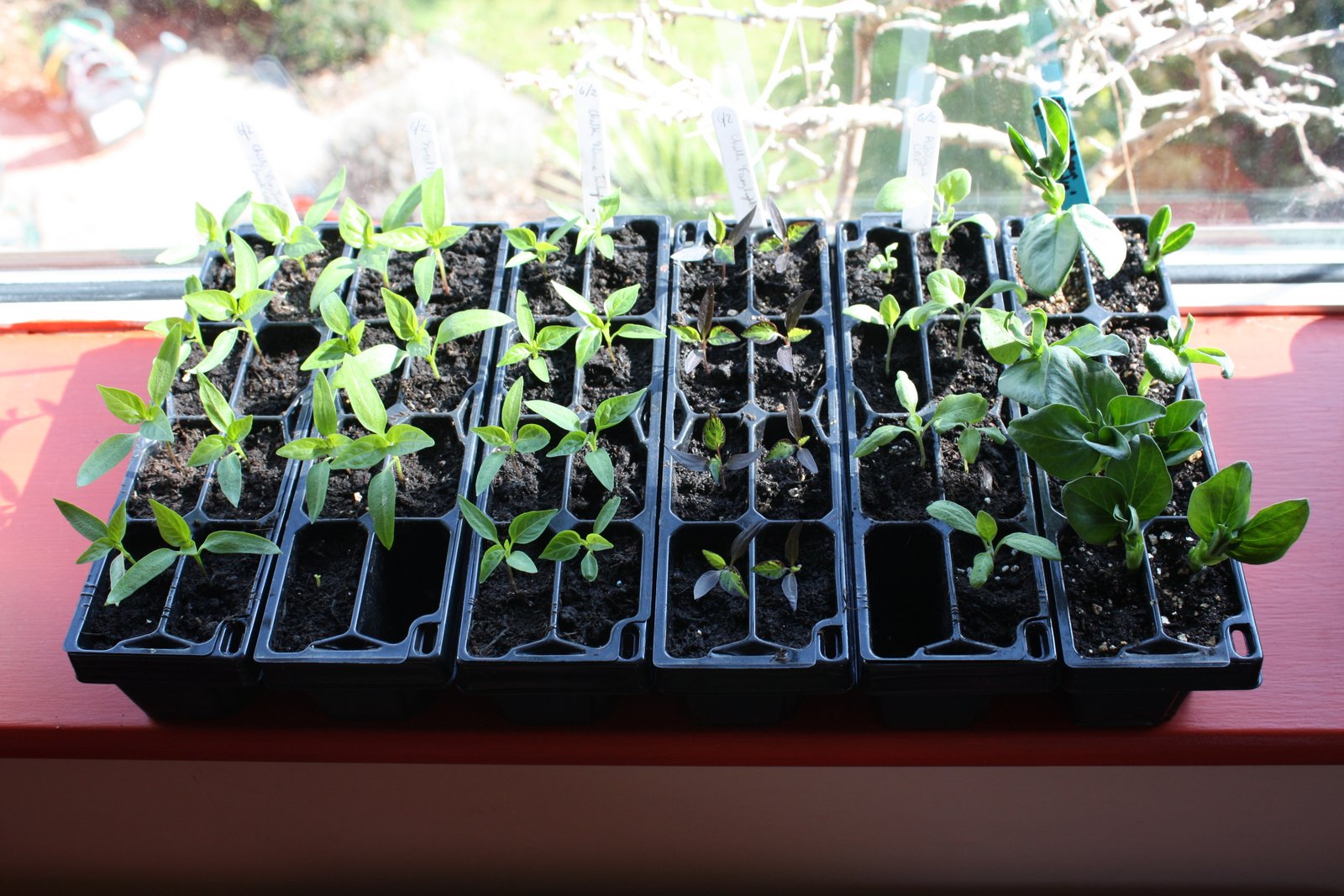
In the vegetable garden you can get your early potatoes in the ground in mid to late March and spring sown planted onion and shallot sets can still go out. If you have a propagator, a greenhouse, or even a warm window ledge, then whatever the weather outside, you can sow tender fruiting vegetables (tomatoes, peppers, aubergines etc.)

Propagator

Propagator

Don’t overwater seedlings, especially those of smaller plants to avoid the fungal diseases that cause “damping off” – which can quickly kill off most of the contents of a seed tray.

This is a good time of year to try to propagate Cotinus, Cornus and Magnolia by layering. Full instructions can be found on the RHS website but the main steps are:

  • Choose flexible young shoots on the outside of the plant that can be bent down to ground level.
  • Mark the point where the shoot touches the ground with a bamboo cane.
    About 30cm (1ft) from the shoot tip, make a 2.5-5cm incision along the stem, running through a leaf bud (remove the leaf first if the plant is in leaf). This will create a wedge that you should prop open with a small piece of wood.
  • Apply hormone rooting compound to the surfaces of the wound.
  • Make a shallow trench in the soil, 10-15cm deep, back from the bamboo cane towards the parent plant.
  • Peg the wounded section of stem into the trench with a loop of thick wire.
  • Secure the tip of the shoot to the bamboo cane, so that it is growing upwards.
  • Fill up the trench with soil, firm in and water if dry.

Garden Tips – February 2018

With the winter festivities behind us, and the days starting to lengthen, may we be the last to wish everyone a happy 2018.

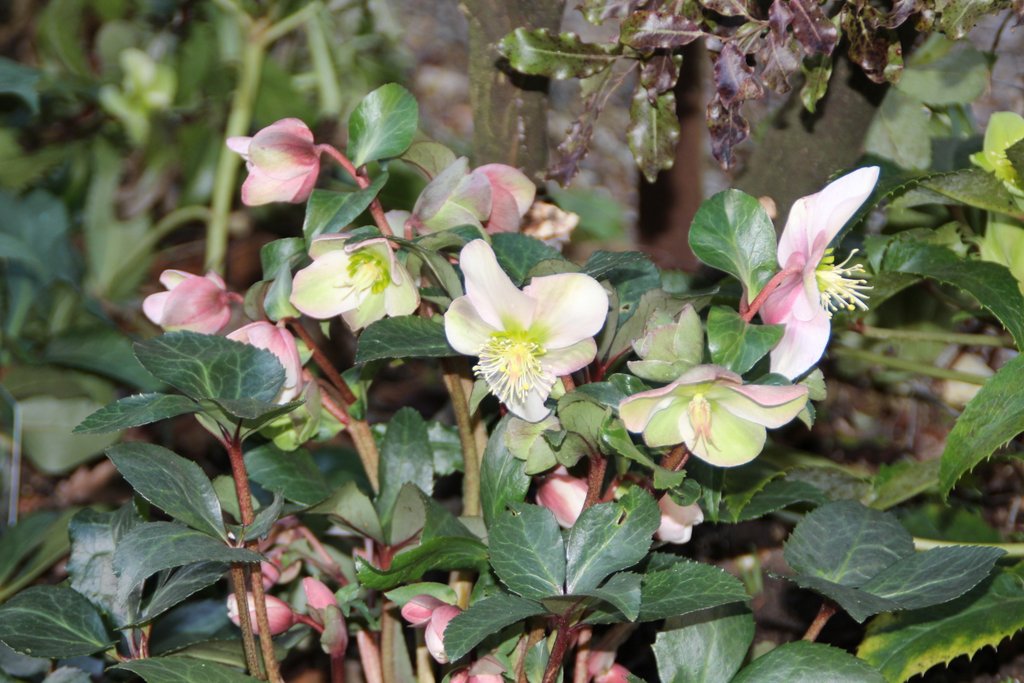
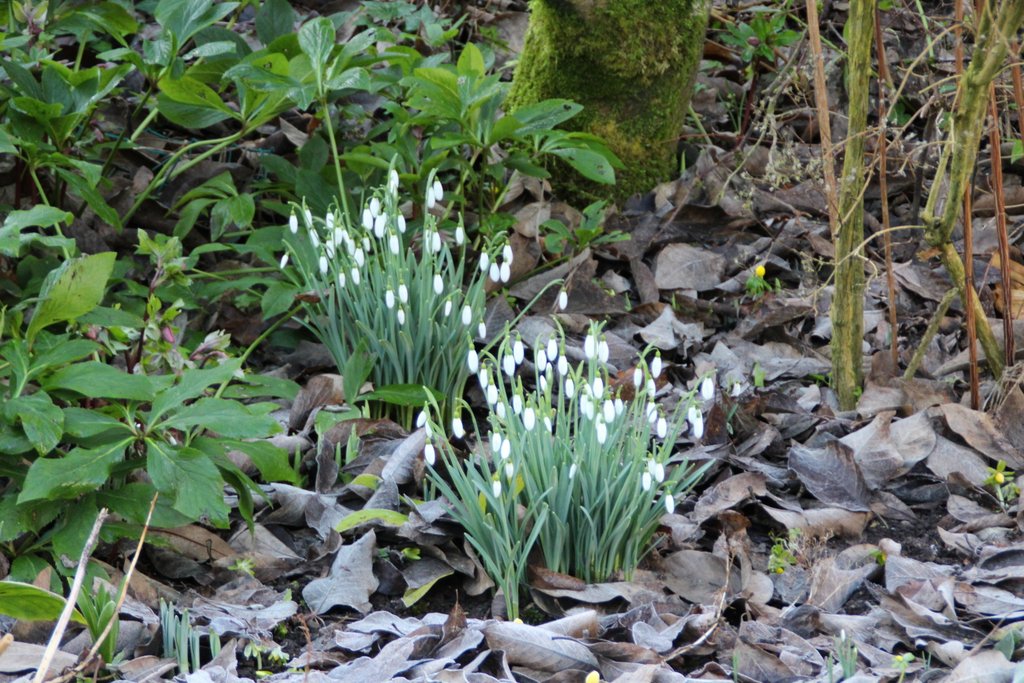
Hellebores in full flower and emerging snowdrops, crocus and daffodils all tell us that another gardening year is beginning, so here are some jobs for this month to get you going.

Hellebore January 2018

Hellebore January 2018

Snowdrops January 2018

Snowdrops January 2018

Crocuses among leaf litter

If it is too wet to get on to lawns and beds a useful job to do at this time of year is to re-pot plants that are permanently potted. Fresh compost and a liquid feed will help to boost growth as the days get longer and warmer. If you are moving plants to larger pots only go up by one size at a time. Otherwise, the large volume of new compost added during potting on can sit wet for a long period, reducing aeration around the roots. Instead of the roots growing out into the new compost, they start to rot and this can lead to symptoms such as wilting, dropping and yellowing foliage. Unfortunately, these are similar to the symptoms caused by drought and additional watering of course exacerbates the problem.

It is a good time to prune late flowering clematis and hardy fuchsias. Clematis can be taken down as far as you like, make sure that you make cuts just above a node. Similarly, with fuchsias, you can cut back last season’s stems as far as you like. Again make cuts just above nodes and leave as much stem as you need to create the shape that you want to achieve.

Herbaceous perennials and grasses that have been left over the winter to provide structure and seed heads are looking past their best now and can be cut back before new growth starts to emerge.

There is still time to plant bare rooted trees and shrubs, especially if you are on lighter soil as it will warm up more quickly than heavier ground. However, if the ground is frozen or waterlogged then you will have to wait.

For the kitchen garden, you can begin sowing summer cabbages, broad beans and beetroot under cover and if you haven’t done it yet, sow onions and leeks. We tend to sow all of these in seed trays or cells so that they can develop good root systems before they have to take their chances in the allotment.

'Plug' plants Mar 2013

‘Plug’ plants Mar 2013

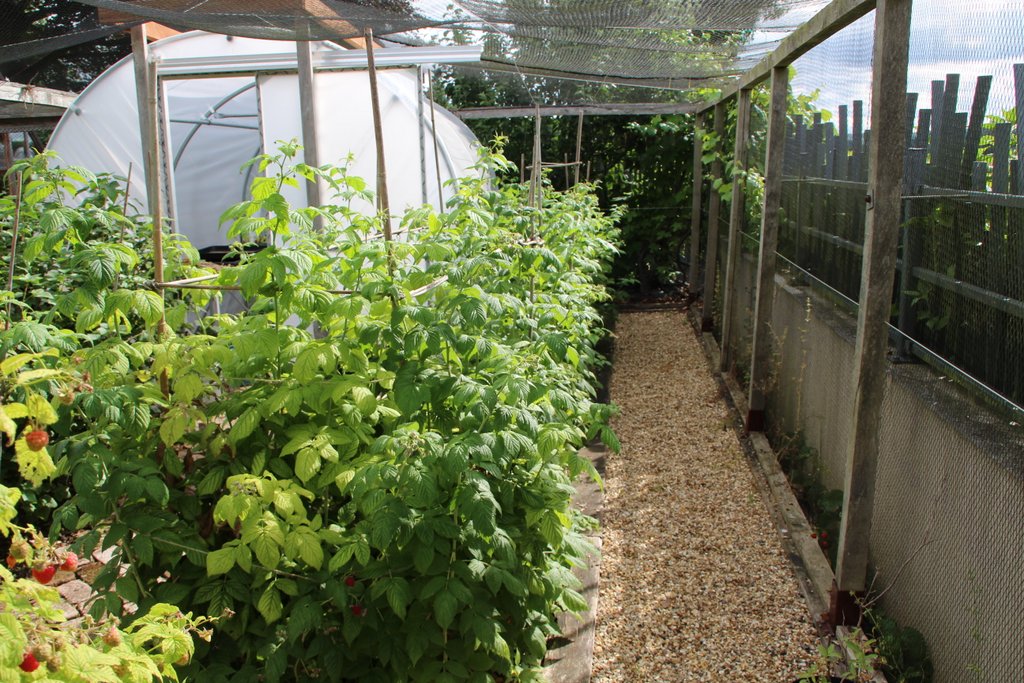
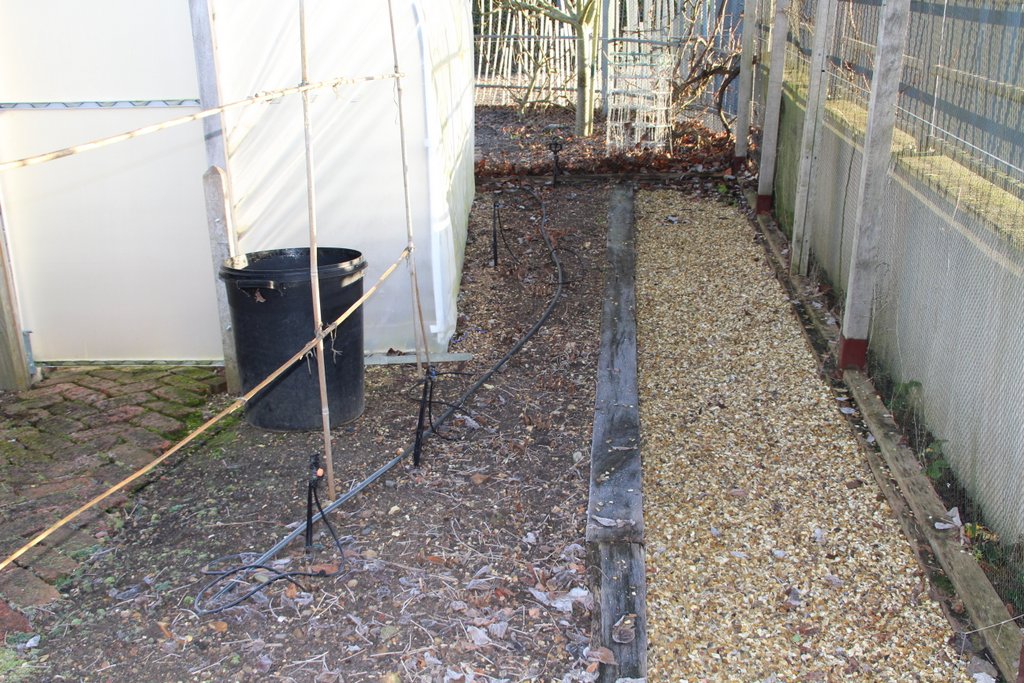
It’s time to cut back your autumn fruiting raspberry canes to ground level, and try slicing a spade around the area to limit their spread.

30 June 2017

30 June 2017

Now

Now

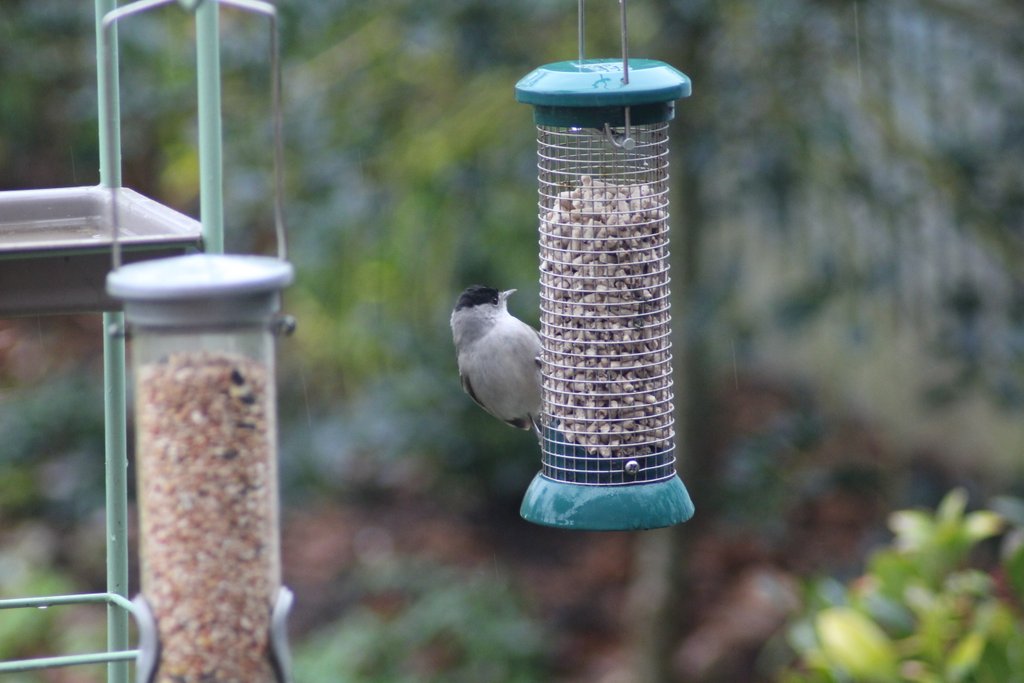
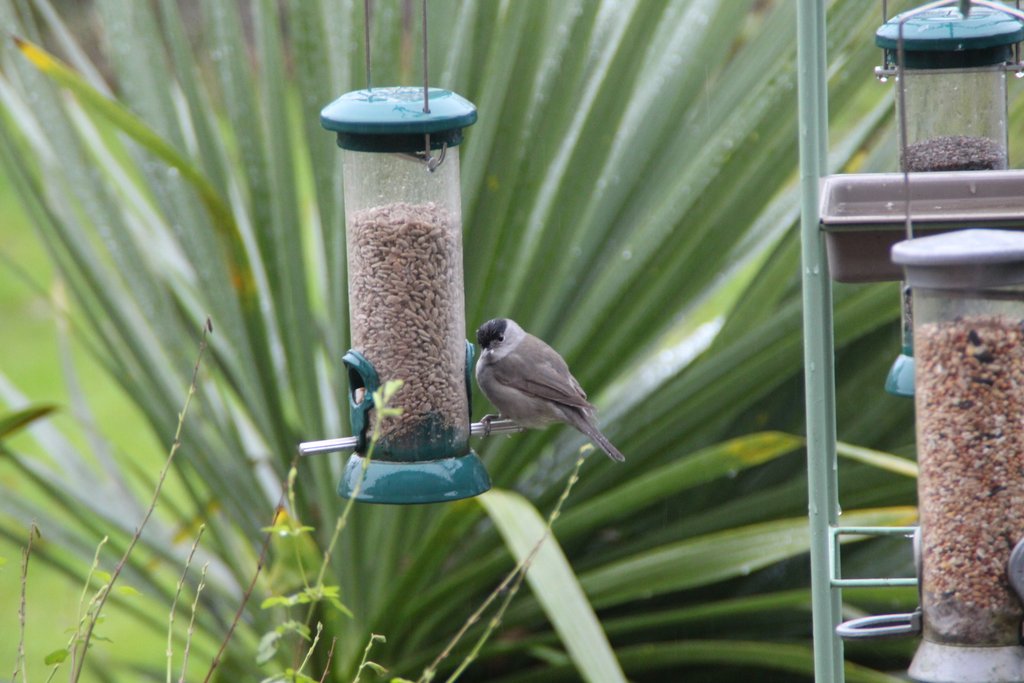
Finally, don’t forget to feed the birds. This is a “hungry gap” where most berries have been taken and the insect populations haven’t really started to pick up, so they will welcome any treats you can provide. If it freezes they’ll also benefit from having water put out for them. This winter we’ve had a new visitor to the bird feeder in the form of a blackcap.

Blackcap December 2017

Blackcap December 2017

Blackcap December 2017

Blackcap December 2017

Garden fence

All gardeners like to chat, whether it is over the fence, across the driveway or between allotment patches.  This is the virtual version of that sort of chat and will talk about what has struck us recently, including the weather (we are English after all), what seems to be growing well (or badly) good (and bad) ideas that we have come across and anything else in the fruit and vegetable world that we think might interest other gardeners.

Garden Makeovers

On the whole, our approach to developing gardens is one of evolution, rather than revolution.  Most gardens have enough in the way of quality plants and features that we prefer to build around what already exists rather than clear everything out and start again.

However, there are times when a garden gets tired and, more importantly, times when the gardener gets tired of it.  This summer we were asked to look at a small front garden dominated by a beautiful blue cedar.  Unfortunately despite much care and attention the surrounding lawn had always struggled and the borders were becoming overgrown.

June 2017

June 2017

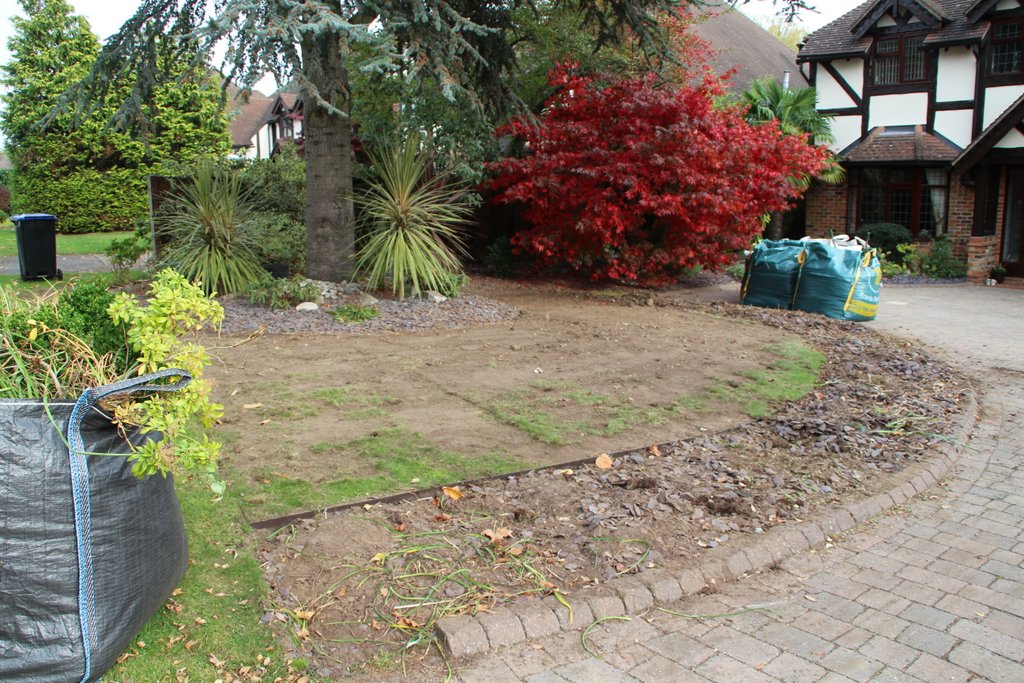
This autumn we started by clearing out the driveway borders and getting the turf lifted and the ground levelled slightly.

Getting started

Getting started

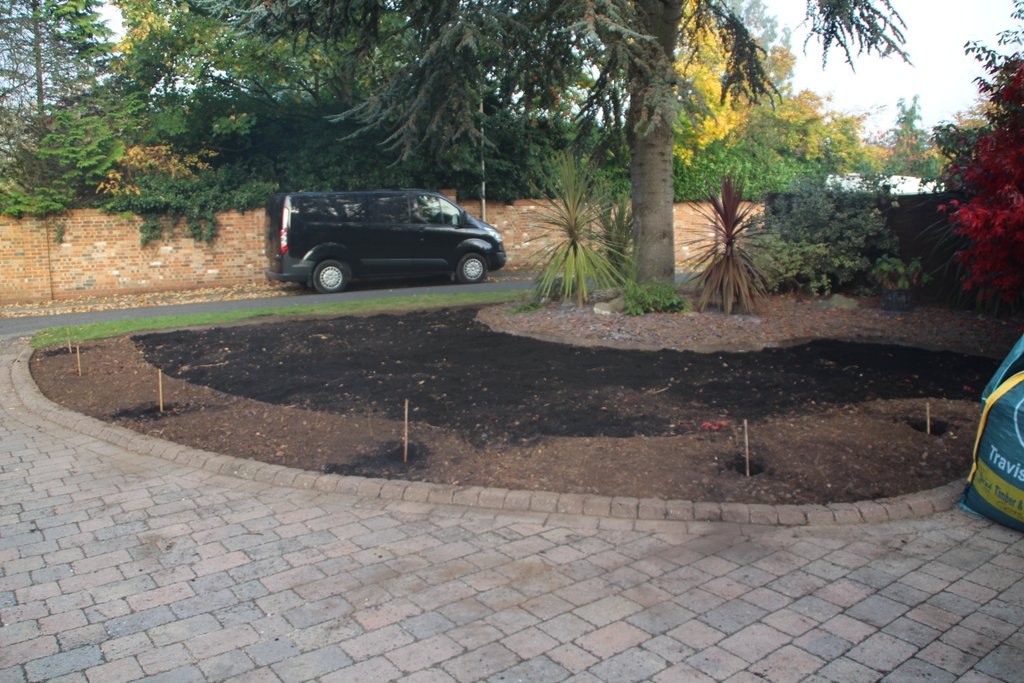
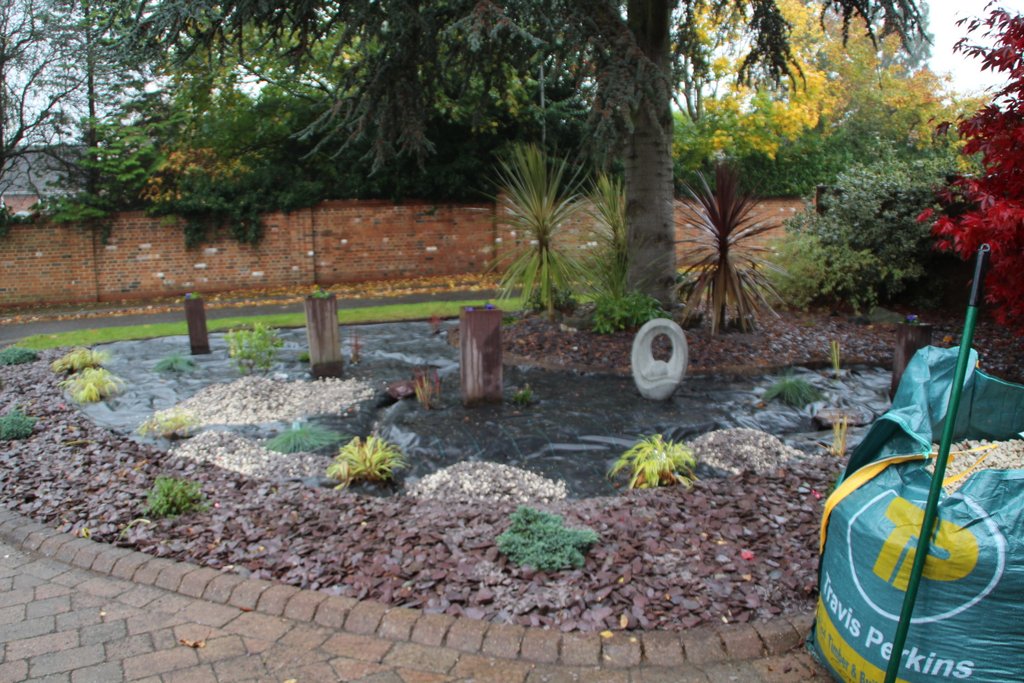
Our brief was to create a low maintenance gravel garden, so after improving the soil, we used a heavy duty weed suppressant membrane to provide a base for the new gravel.

Improving the soil

Improving the soil

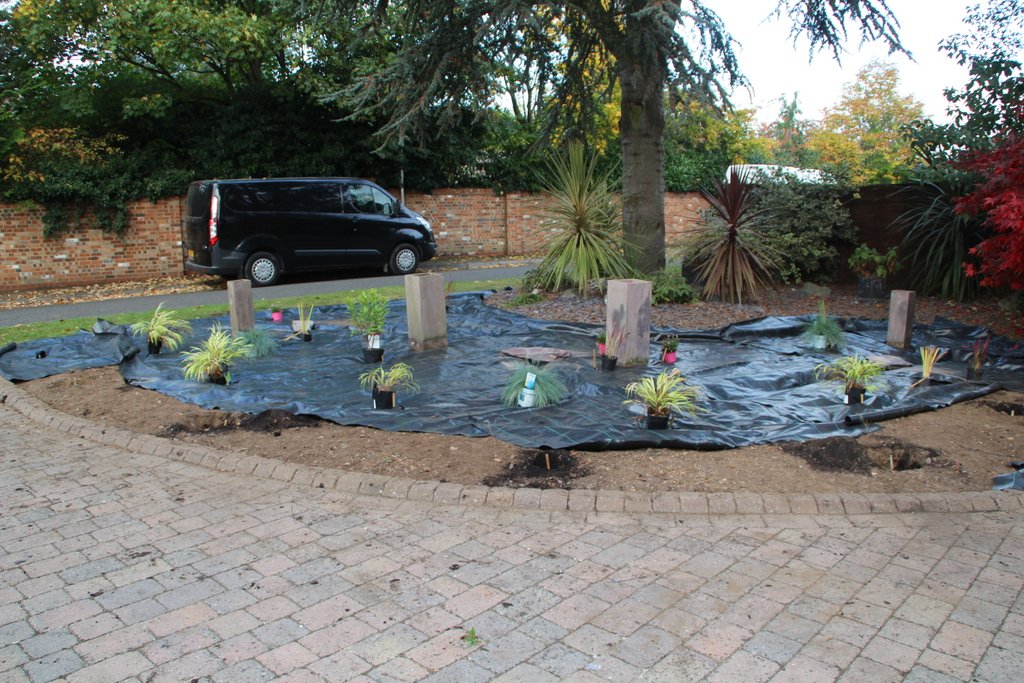
Despite the added soil improver, the basic soil was pretty thin with a lot of gravel, so we dug out planting holes with a mattock before putting down the membrane.  This made planting through the membrane quite easy (we’d used canes poked through the membrane to mark the holes as the membrane went down).

Putting down membrane and positioning plants

Putting down membrane and positioning plants

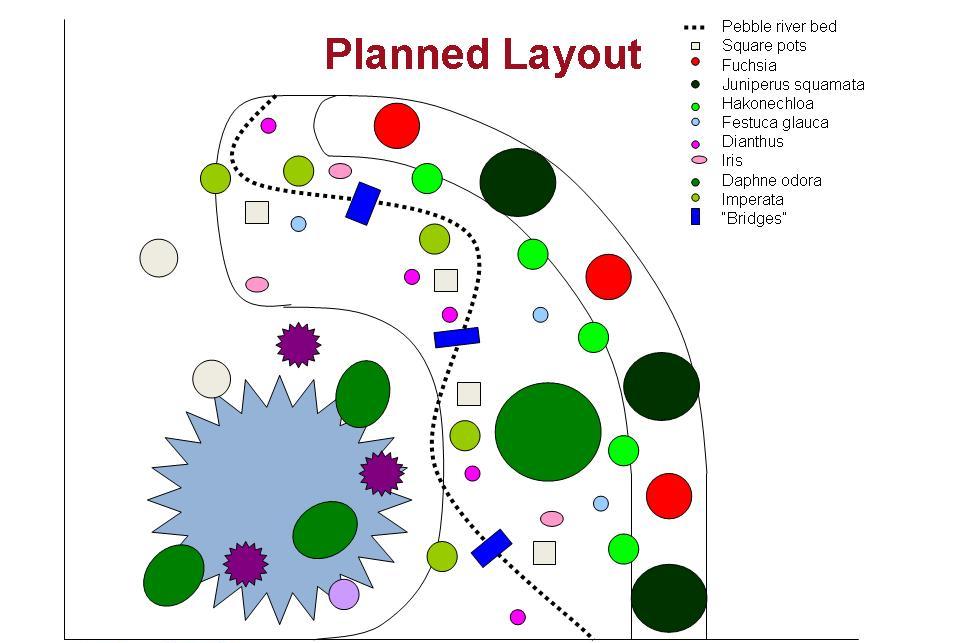
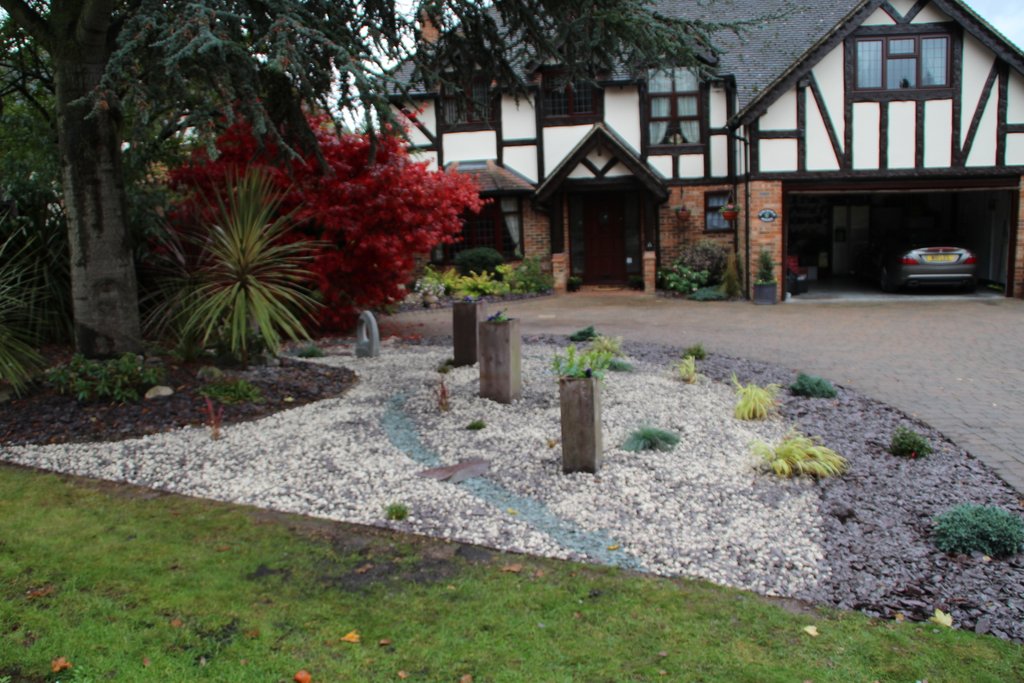
The planting scheme used repeating grasses of different colours to contrast with the gravel colours, with dwarfing Dianthus and Irises providing splashes of seasonal colour. Low growing Junipers and dwarf Fuchsias repeated along the driveway border and the large concrete pots allow seasonal bedding to add highlights.

Plan

Plan

Once all the membrane was down and the plants were in, it was simply a question of barrowing in the gravel.  As well as two-tone mix in the centre, we re-used existing slate chippings to delineate a driveway border and some green stones to create a “dried river bed”.  The latter complete with some slate “bridges”.

Nearly there

Nearly there

Finished!

Finished!