Growing for Show – April 2019

After a few months of largely indoor activity, April should see the show growers getting active outside again.

The soil should be getting warm enough to start sowing roots, but both carrots and parsnips can be reluctant to germinate in the cold, so pre-warming the soil by covering with a cloche for a week or two can help.

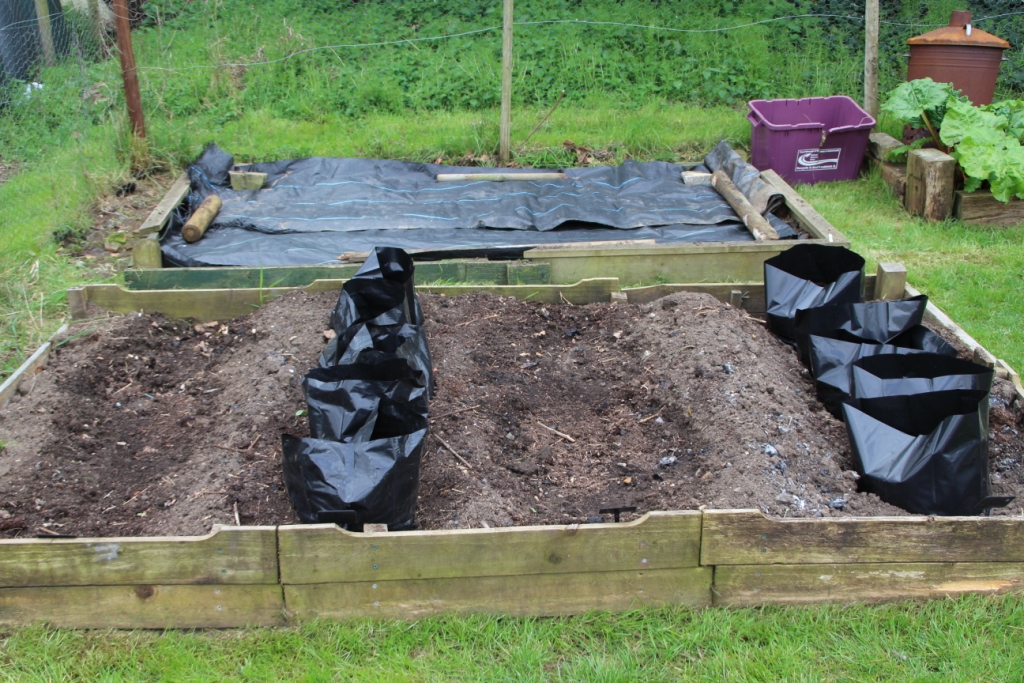
Sow carrots thinly so that later thinning out of seedlings doesn’t attract carrot root fly. Sowing parsnips in stations rather than rows (3 per station, with only the strongest seedling left to mature) leaves the roots plenty of space to develop. There isn’t a specific class for parsnips, but they make an impressive addition to the “top tray” collection class. Serious show growers use containers for roots.  Controlling the growing medium means that there is less chance of stones causing distortion of the roots.  If Cookham residents still have their old recycling bins (the black and purple ones) these are a pretty good size to have a go at growing carrots in a contained environment.
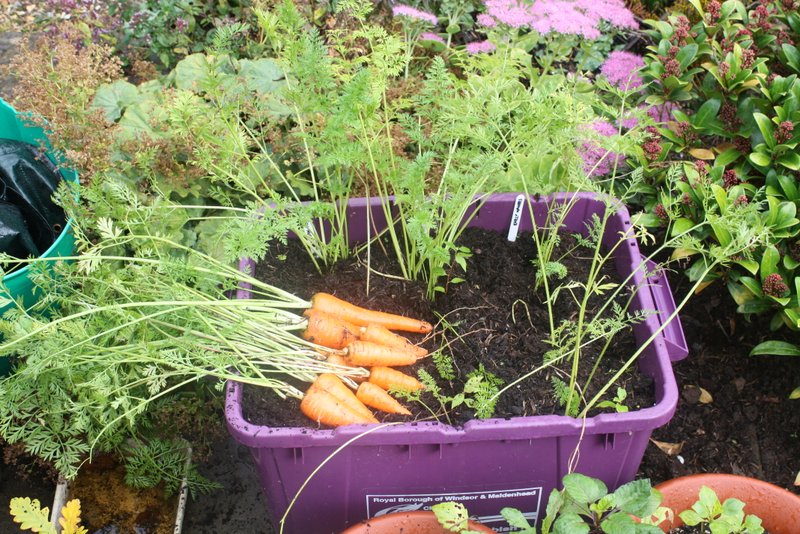
Re-using the re-cycling tub

Re-using the re-cycling tub

Warmer weather means more weeds, so keep weeding your onions, shallots and garlic, when young the alliums are easily out-competed by broader leaved weeds.
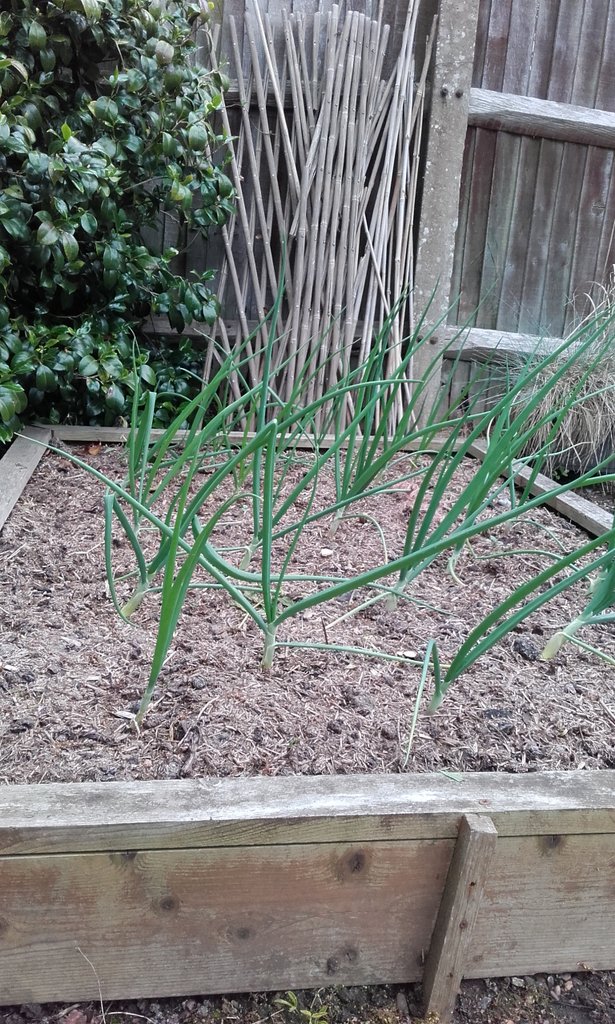
Leaning onions

A weeded onion bed

As the weather warms up, your potatoes should start to show, but make sure that you keep them earthed up, as well as increasing the overall yield and preventing green potatoes, this will protect the emerging shoots from late frosts.
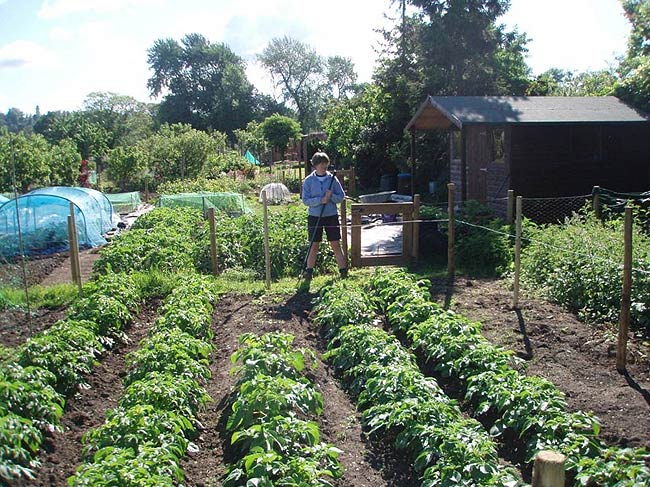
The potato beds 14 May 2011

Earthing up potatoes (May 2011)

Over the past couple of years, there have been more entries in the fruit and vegetable classes than the flower ones, so don’t forget about the flowers. It is a good time to take Dahlia cuttings and propagate more of your best plants. Chrysanthemums can be planted out by the end of this month as well. With classes for annual and edible flowers, why not sow some of these too?
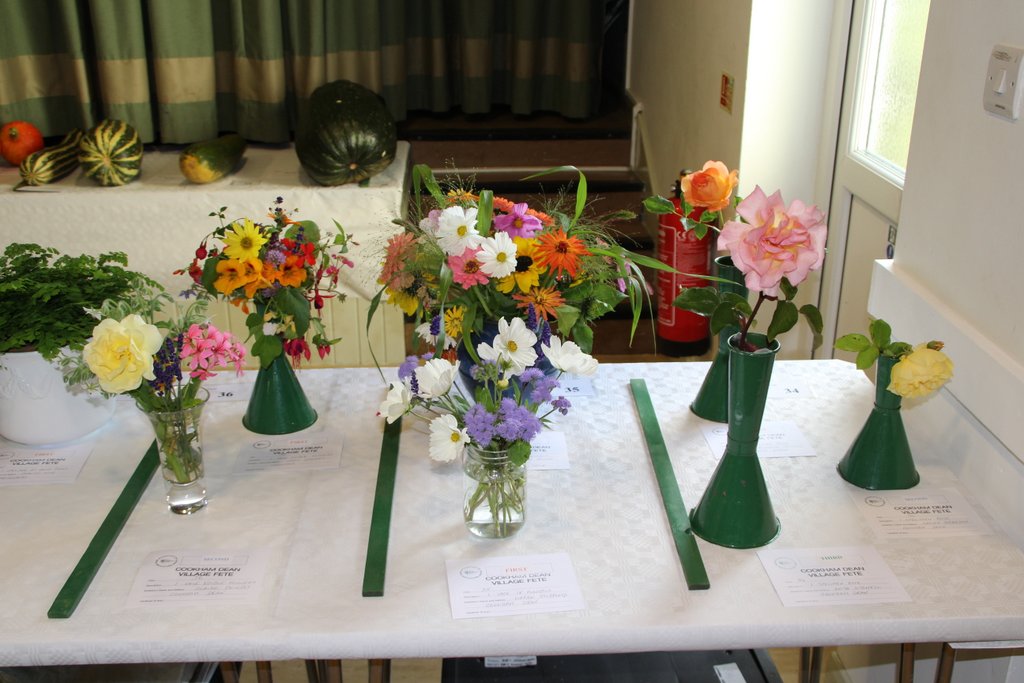
Flower displays

Can you beat these?

New Garden – Update 2

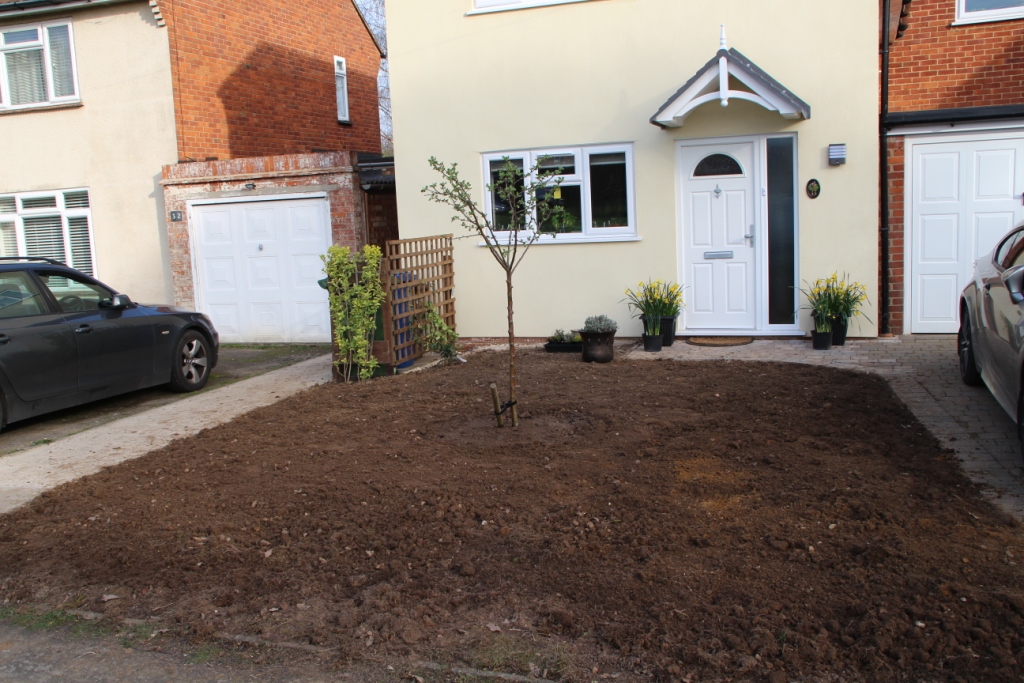
Work has progressed on the front garden over the past few weeks. In the first instance, we lifted the membrane that had been down for the past couple of months and worked over the soil that had become very compacted under stores of building materials.  We’ve also constructed a bin store and planted round this to soften it up.

We have decided to use a crab apple rescued from the back garden as a central feature of the front garden and got this planted last week.

Making progress 23 March

Making progress 23 March

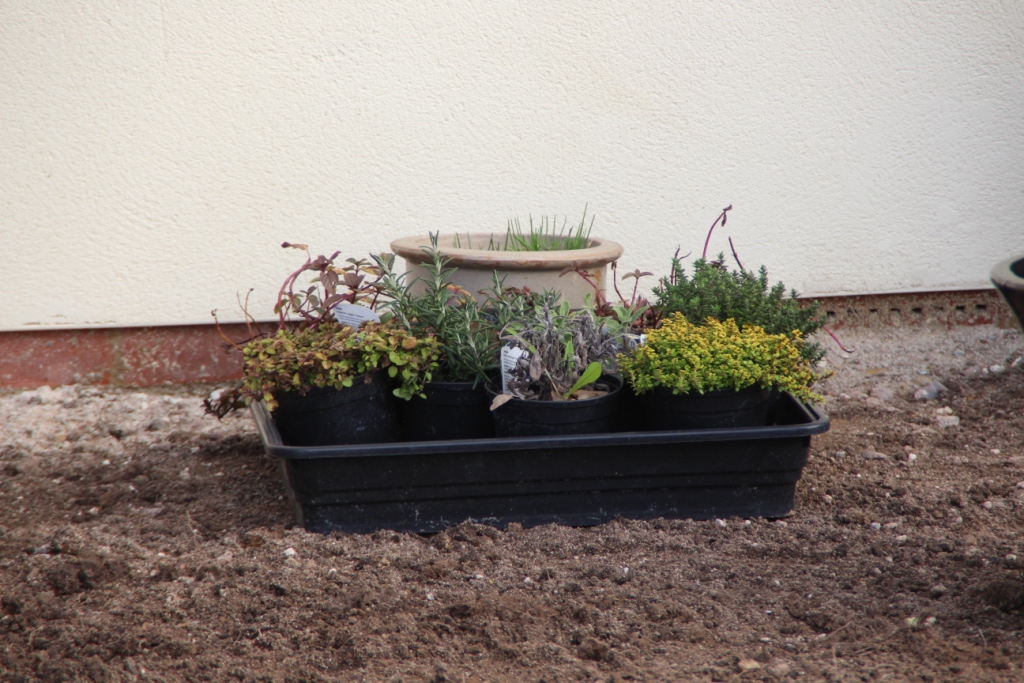
The herbs haven’t made it into the ground yet, but are ready and waiting.

Herbs awaiting a home

Herbs awaiting a home

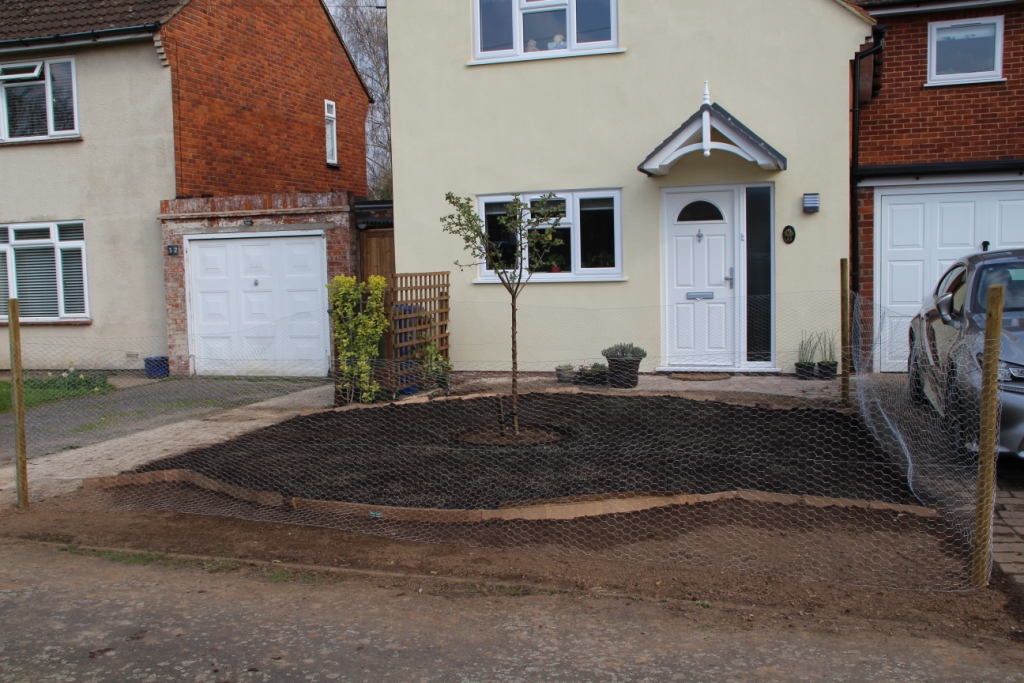
This weekend, the focus was on preparing and seeding a new front lawn.  the makeshift fence is making the most of allotment supplies to keep the neighbourhood cats off our finely prepared tilth.

Lawn prepared and sown 30 March

Lawn prepared and sown 30 March

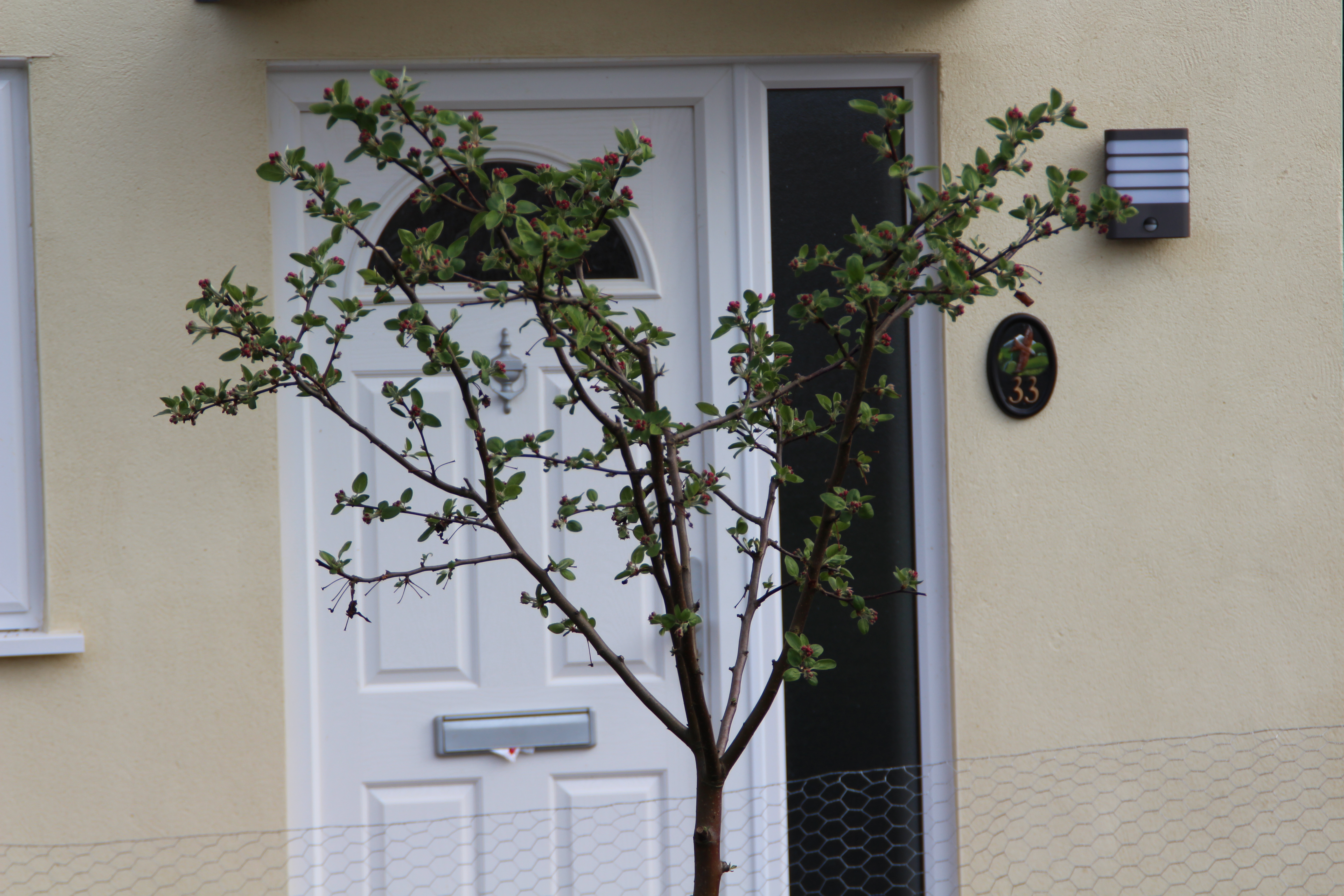
The warmer weather of the past few days has almost got us to bud burst on the crab apple. Fingers crossed that the frosts forecast for next week don’t affect this.

Crab apple blossom

Crab apple blossom appearing

Growing for Show – March 2019

March is a big month across the garden. Notwithstanding last year’s late cold snap, spring is on the way and growth is starting. In show terms it is six months until the Cookham show and there is plenty to be getting on with.

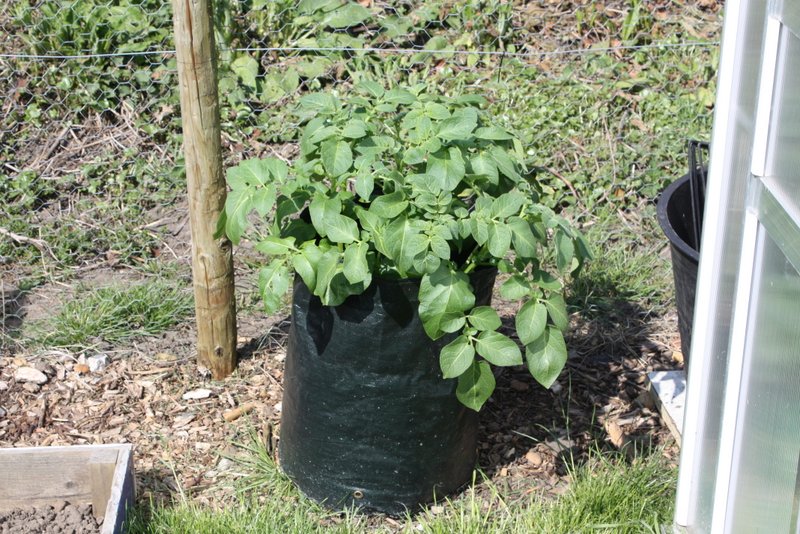
March is a good time to plant potatoes in our area, by the time the shoots start to appear the risk of frost should have pretty much gone and earthing up will protect the shoots from any late snaps. Serious show growers use containers for potatoes, a controlled growing environment helps with pest and disease control and because you don’t need to dig the potatoes fewer will be damaged in harvesting. Aside from being good for showing, less damage means that the tubers will store better, however you get a smaller crop in containers and you have to be assiduous with watering and feeding. Sinking bags into the ground so that feeder roots penetrate into the soil can help, but also allows the slugs in.

this year we are trialling growing potatoes in open ground and in bags next to each other in the same bed.

Spud bags 12 April

Potato bed

Previously we have tended to go for just a few potatoes in bags, focusing on bringing on some early potatoes in the greenhouse to get the first crops by the end of May.


Potatoes in a sack - early May

Potatoes in a sack – early May

There is plenty of seed sowing due in March, and towards the end of the month you can get the squashes, courgettes and pumpkins going, all of which have classes in the show.  these will all be quite big plants by May, when it should be safe to plant them out, so if you don’t have anywhere frost free to bring these plants on, then it may be best to hang on for a couple of weeks.

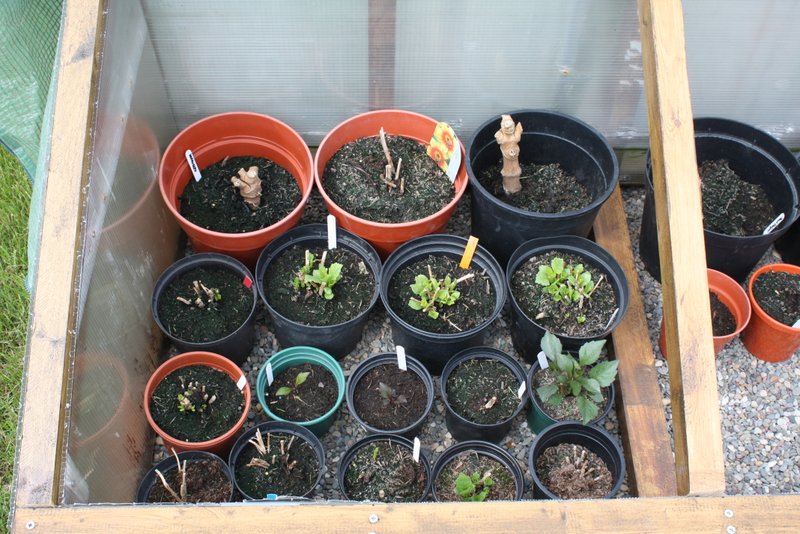
On the flower side, Dahlia tubers will be showing signs of life, so these can be potted up ready for planting out later, just make sure that any new growing tips are protected from frost.  As the new shoots emerge in a month or two, it is a perfect time to propagate your best plants by taking cuttings from these vigorous new shoots.  in a heated propagator, these will root in just a few weeks.

Sprouting dahlias - early May

Sprouting dahlias – early May

Weather-wise, don’t be fooled by the warm weather we had at the end of February.  there are still going to be plenty of frosts, so don’t be too eager to get plants outside and be careful with unheated greenhouses, plants can still get frosted in them.

Growing for Show – February 2019

A key part of growing for show is timing, you want your produce to be at its best on show day, but for most of us, the temperamental nature of the weather will be a bigger factor than all of our best laid plans.  As we only show at one small local affair, we focus more on growing to eat and then hoping that if we do this well that there will also be stuff ready to show.  This approach means that with January in the rear view mirror and the days definitely getting longer there is plenty to be getting on with to be ready for spring.  There is still likely to be plenty of cold weather around for the next few weeks, so a lot of activity will be indoors, for those lucky enough to have facilities like a heated greenhouse, you can really get going.

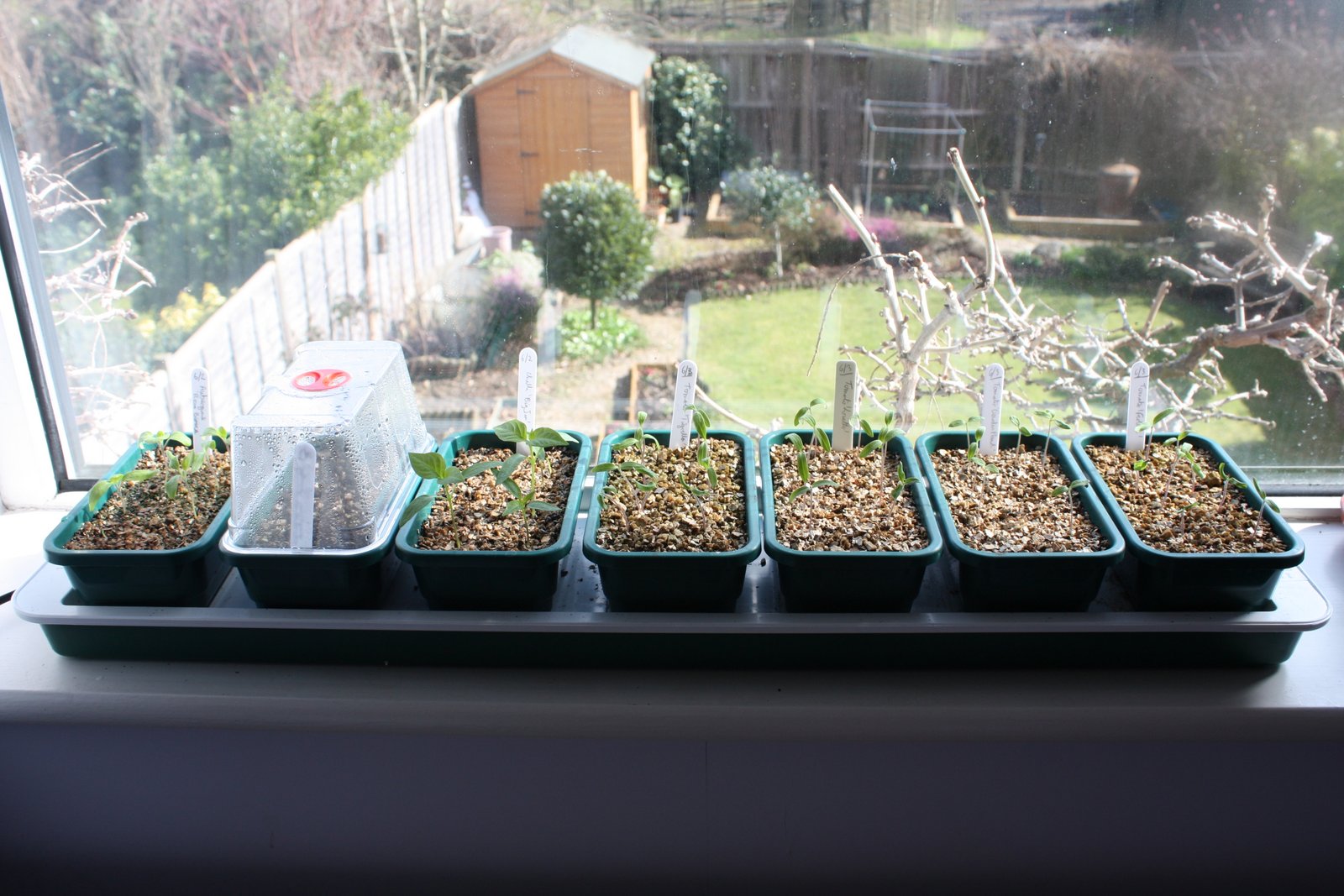
A heated propagator is a great way to kick start seeds and these are available in all sorts of shapes and sizes to suit different budgets and the space available.  We have one that is about seed tray size that we use when we need a fair bit of space, for example it will take a full root trainer kit loaded with sweet corn, but we love the versatility of the slimmer modular ones that fit neatly on a window sill and the separate trays allow us to bring on a reasonable number of a wide variety of plants.

"Super 7" propagator

“Super 7″ propagator

February is an important sowing month for us, with many of the greenhouse crops starting now. Tomatoes, aubergines and peppers will all be sown before the end of the month. With unheated greenhouses we don’t plant out until early May so this does mean that there are some fairly hefty seedlings on window ledges by Easter.

For a September show it might be better to sow tomatoes a bit later so that they are at their cropping peak then, but from an eating perspective the earlier they are fruiting the greater the chance of a crop in a bad blight year.  We have found that aubergines need a long growing period, not to mention a hand from the weather, to fruit successfully in our area, so the bigger the plants that go out, the better our chances of a crop.  Similarly to ripen sweet peppers we also reckon that we’re going to need quite mature plants by planting out time.  with a bit of luck sweet and chilli peppers will both be at their peak by September for the Cookham show.

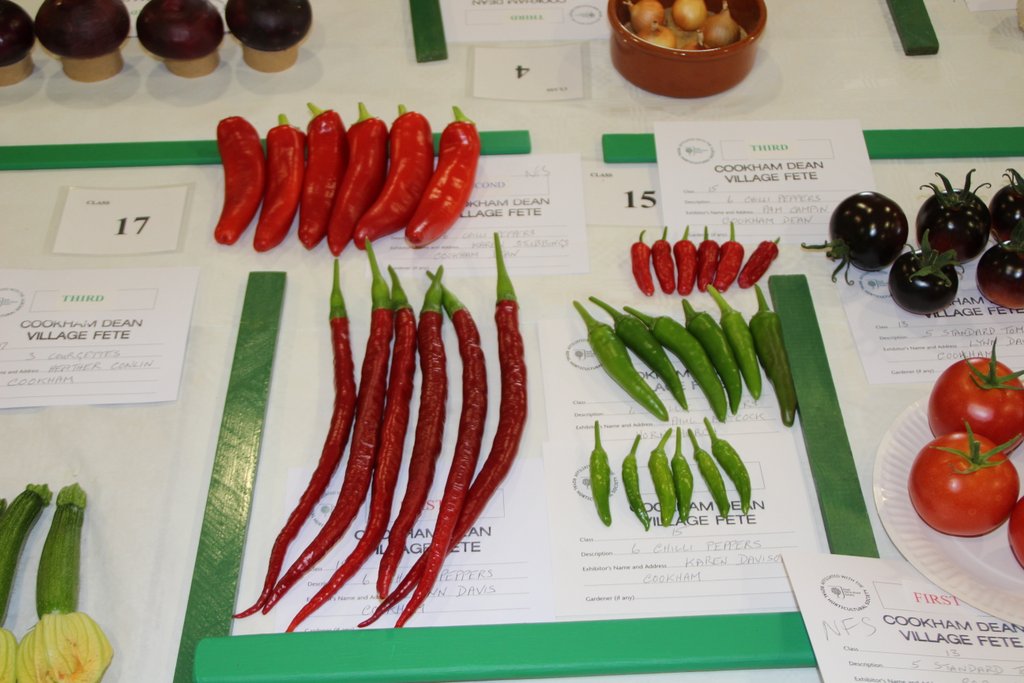
Chilli Peppers

Chilli Peppers in September

Outdoors it is a good time for ground preparation. Increasingly more and more fruit and vegetable growers are moving towards no dig and February is a great month for mulching your beds with bulky organic matter as there should be plenty of moisture in the ground from winter rains, so you will be sealing it in ready for planting out later.

If you haven’t pruned fruit trees and bushes yet, make sure that you do this before growth re-starts, but hold off on stone fruits like cherries and plums until the summer.

New Year – New Garden

over the past few months we’ve had building work done at home.  the main upside of this is that the extended house has a new kitchen for cooking allotment produce and a utility room to provide an entrance for dirty gardeners bringing their treasure home from the allotment.  At least in theory this means that the main cooking area should stay pretty clean.

The downside of extending the house is that both the front and back gardens have shrunk and as they have been builders’ yards for over six months they are no great advert for our skills.  we have therefore decided that it is time to strip the gardens back and start again and we’ll keep you posted on progress over the next few months.  The back garden used to be a pretty standard small plot. Some lawn, some shrubs and given our interests some fruit and vegetable beds.

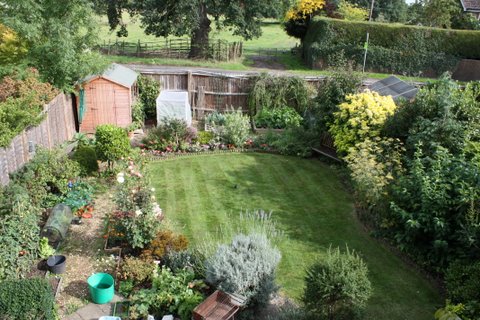
Back garden late August 2011

Back garden late August 2011

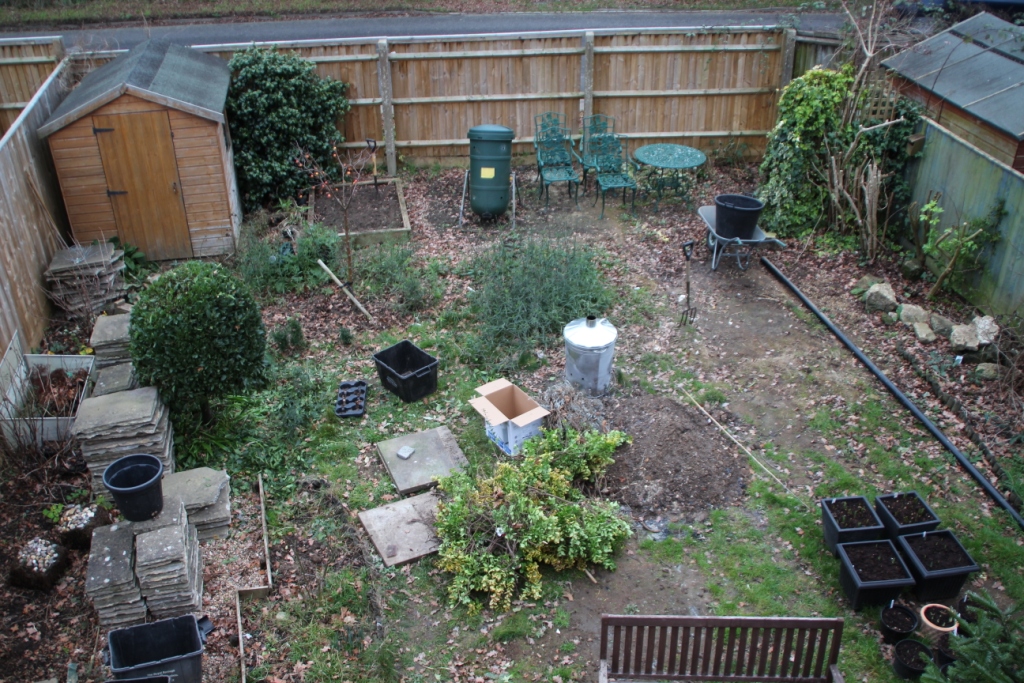
It is now a rather bleaker site and this is after we’ve started clearing the worst of the weeds and have re-trimmed the standard bay.

Back garden January 2019

Back garden January 2019

We’re still working on the re-design, but have decided that there is no longer enough room for a patch of lawn and that the shed will be too much of a pain to move, otherwise all options remain open.

We have made a start on the front garden, which was also a builder’s yard last summer.

Front garden last June

Front garden last June

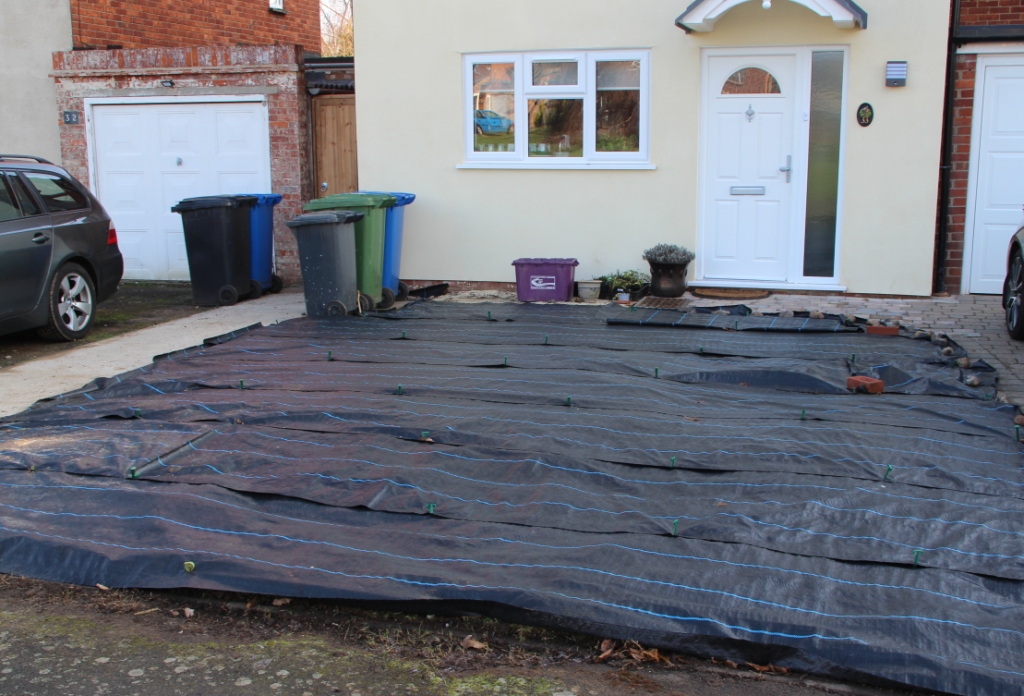
The garden has now been completely cleared and at least the weed suppressant membrane looks neat!  The pots of herbs against the wall give away what will be in a new bed under the kitchen window.  that aside we’re still in the planning phase.

Front garden

Front garden

Garden Tips – December 2018

December may not spring to mind as the time to be thinking about next year’s village show.  However, one of the great things about gardening is that one is always looking forward. Even at cold and dark times of the year, there are still jobs which can be done now to ensure you have some great produce for the show next September.

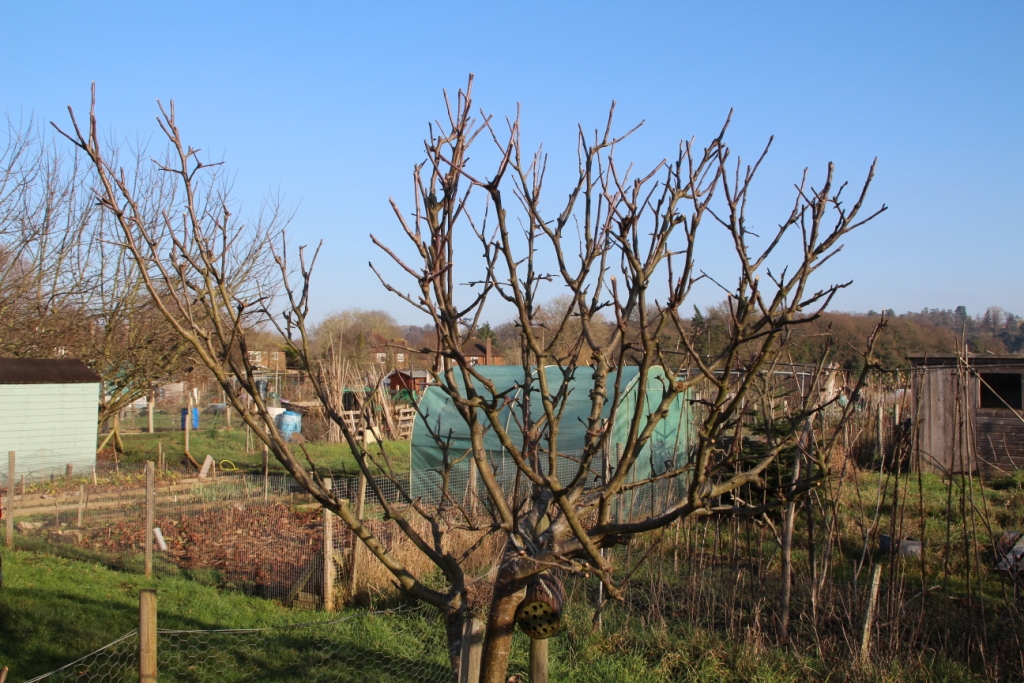
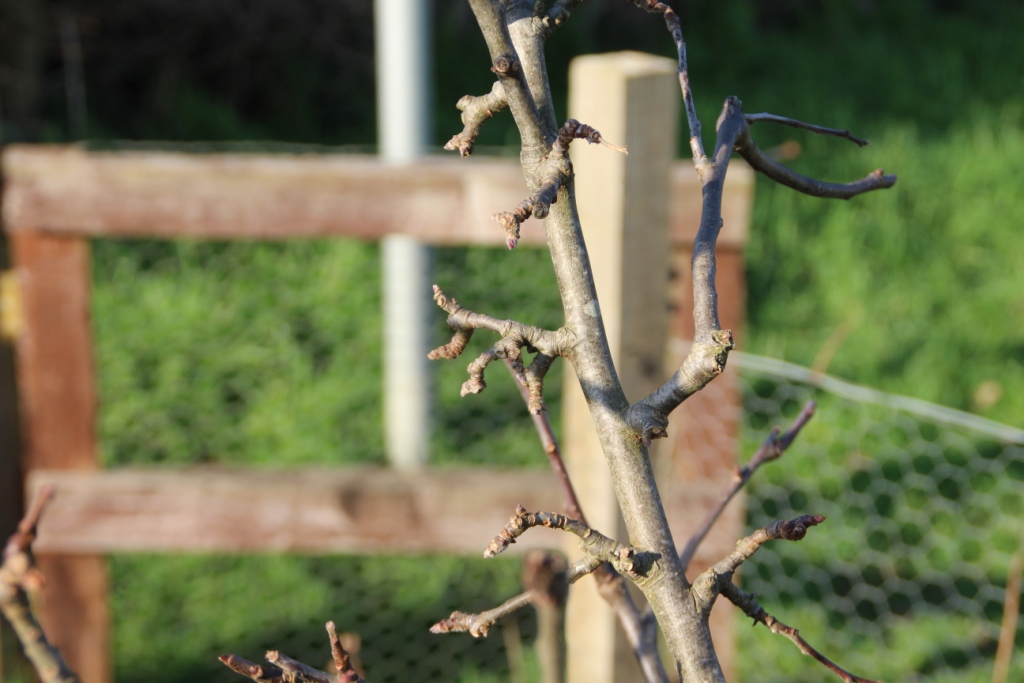
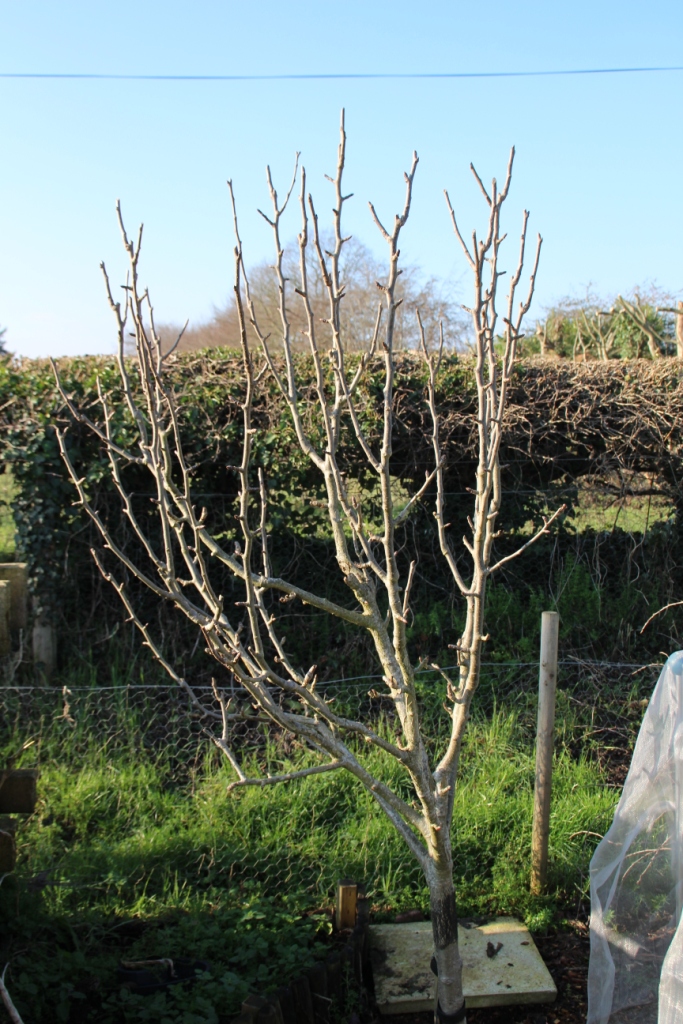
Fruit trees: Apples and pears can be pruned now to maintain and open, goblet shape, or trained to espaliers, cordons or fans.   Pruning fruit trees is one of the most satisfying jobs for the winter, the end result gives you a tree that looks ready to go for the next growing season.  Flowering buds will be in place and without leaf cover you can really see the shape of the tree and envisage how it will look in the spring when the blossom bursts.  Just remember that it is best not to prune if the air temperature is at or below freezing.  Now is also a good time to apply a winter wash to help get rid of overwintering pests.

Apple Tree

Apple Tree

Fruiting buds

Fruiting buds

Pear tree

Pear tree

Fruit bushes: Winter is also a good time to prune gooseberries and currant bushes. Follow the standard rule of the “3Ds” first (removing Dead, Diseased or Damaged wood), then remove any low lying shoots that you don’t want, then spur prune all side shoots to about 3 buds from the base, and finally shorten branch tips by about a quarter to an outward facing bud.

There are lots of onion classes in the Cookham show, and indeed most flower and vegetable shows, and onion seeds can be sown now. You may not win the heaviest onion as this is often a class for the real enthusiast, but you ought to be able to get something pretty impressive if you get specialist seed. For the other onion classes, uniformity and quality are key, so why not have a go? our first attempts at growing show onions were in 2016 and are chronicled elsewhere on this website.  We’ve stuck with the general approach even if we’re not in the same class as the expert onion growers, we have found that careful growing is giving us better quality onions that store for much longer.  Our goose this Christmas will have sage and onion stuffing with our own onions.  For the ones that weren’t good enough for storing, many of those found their way into the Boxing Day chutneys.

Leeks can also be sown in January, and whilst there is no separate class for them, they do make an impressive “any other vegetable” entry.