A Third (half) Plot

The 5 pole plot, between our two existing half plots has become available and rather than see it become a haven for weeds, the seeds of which are blown across our plots and the rest of the site, we have taken it on.  Gluttons for punishment or potential land barons?

The starting point did not look promising.
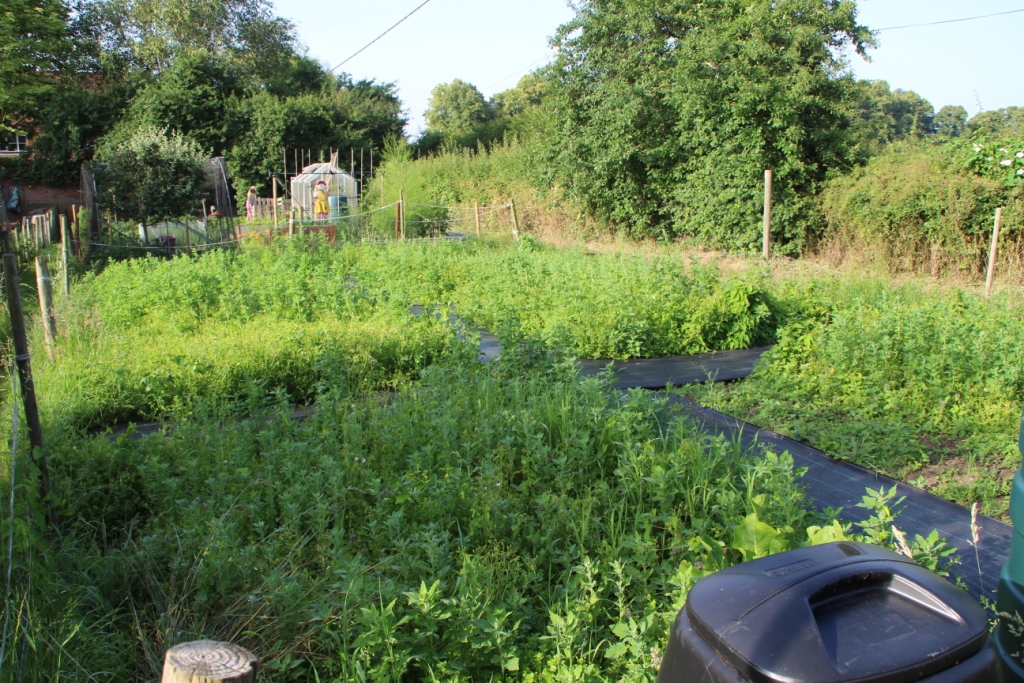
New plot before starting

New plot before starting

The good news is that the more visible weeds are mostly shallow rooted annuals, which we’ll be aiming to get out, or at least strim off, pretty quickly so that they don’t set seed.  More of an issue is the bindweed and mare’s tail, lurking under the visible weeds.  these are endemic across the allotment site, so there will be ongoing battles there.

We have some spare summer plants and the winter brassicas growing on, so we decided to clear a portion of the plot ready for planting and were able to make pretty good progress in a couple of days. The radio gives away that we were listening to the cricket world cup while working.
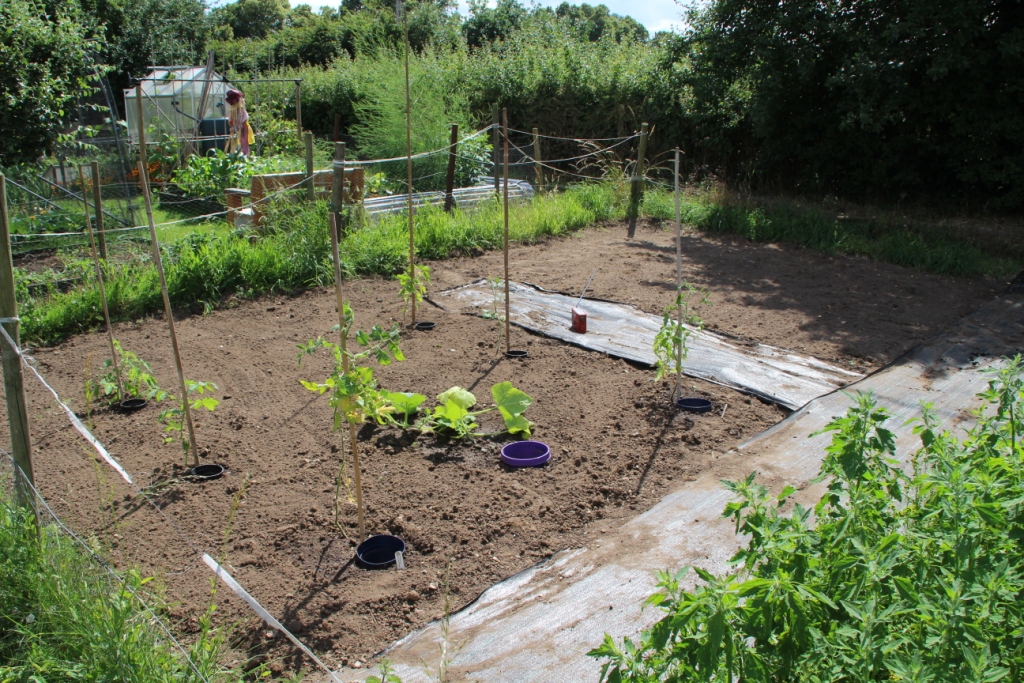
After 2 days

After 2 days

A quick peer over the fence shows that we have a little way to go to catch up with the first plot.
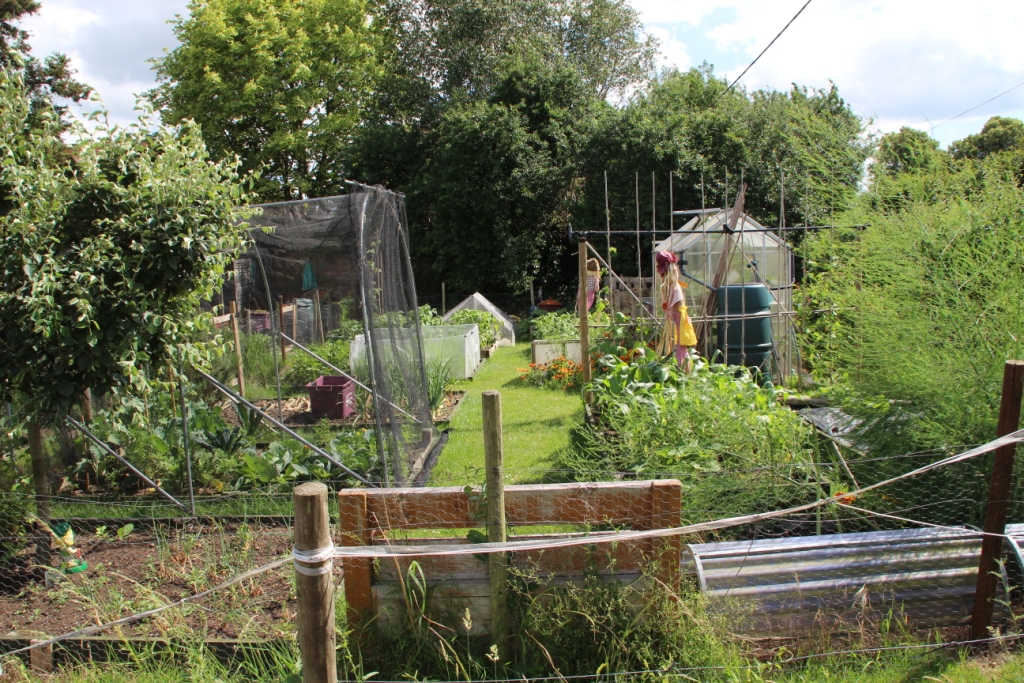
After 8 Years

After 8 Years

We’ve now sown some extra squash and pumpkin seeds and will be looking to create a planting area, cover up the strimmed weeds with weed suppressant membrane and let the squashes and pumpkins scramble all over the plot, before we set to with major renewal works in the autumn.
Growing for Show – July 2019

By the end of this month the Cookham show is only six weeks away, so July should see your prize winning (we hope) plants really progressing.

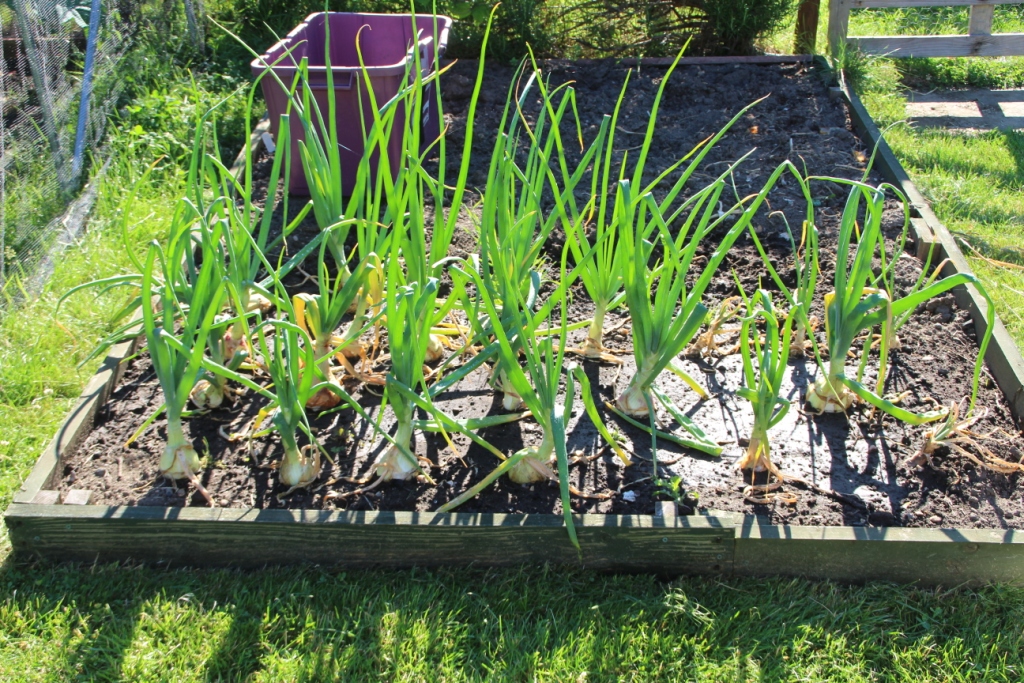
Onions, shallots and garlic are all likely to finish growing this month. As the foliage dies back, carefully lift the bulbs and dry them out, both for storage and showing. Undamaged skins, firm flesh and a matching set are important, so take care to remove damaged outer skins so that a clean one can ripen for the show. Don’t bother tidying up the foliage for the heaviest onion class, as this is all about weight – looks don’t matter!

Some winners here perhaps?

Some winners here perhaps?

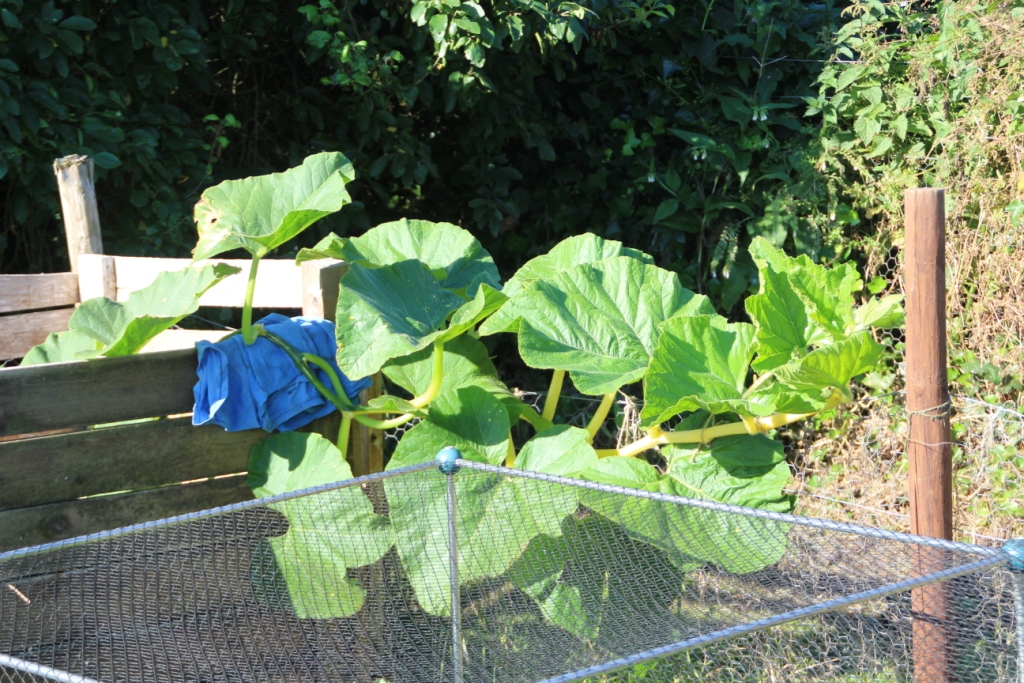
Early in July you ought to have a large enough pumpkin plant to support the growth of a giant. Once your winner is selected, keep pinching off side shoots, tendrils, other flowers and embryonic pumpkins. All you need is the solar cells (leaves) and the main stem to keep feeding the growing fruit. It will want plenty of water and regular feeding.

Growing on strongly 6 July

Growing on strongly 6 July

You are likely to be getting your first tomatoes and peppers in July, so keep feeding with a high potassium feed to encourage more flowers and hence fruit.  Don’t forget to keep on pinching out side shoots on tomatoes to keep the plant’s energy focused on the main stem.  The fruit setting at the end of July may well be the ones that are ripening in time for the show.

With crops like beans and courgettes as they start to produce, keep picking (and eating) as this will make sure that the plant continues to set new flowers, which will produce crops at show time. Once the seeds inside the fruits start to mature, the plant slows down the production of new flowers on the grounds that reproduction has happened so its main job is done.  By the end of the month you might want to start keeping an eye out for the runner bean that will be your contender for the longest bean class.

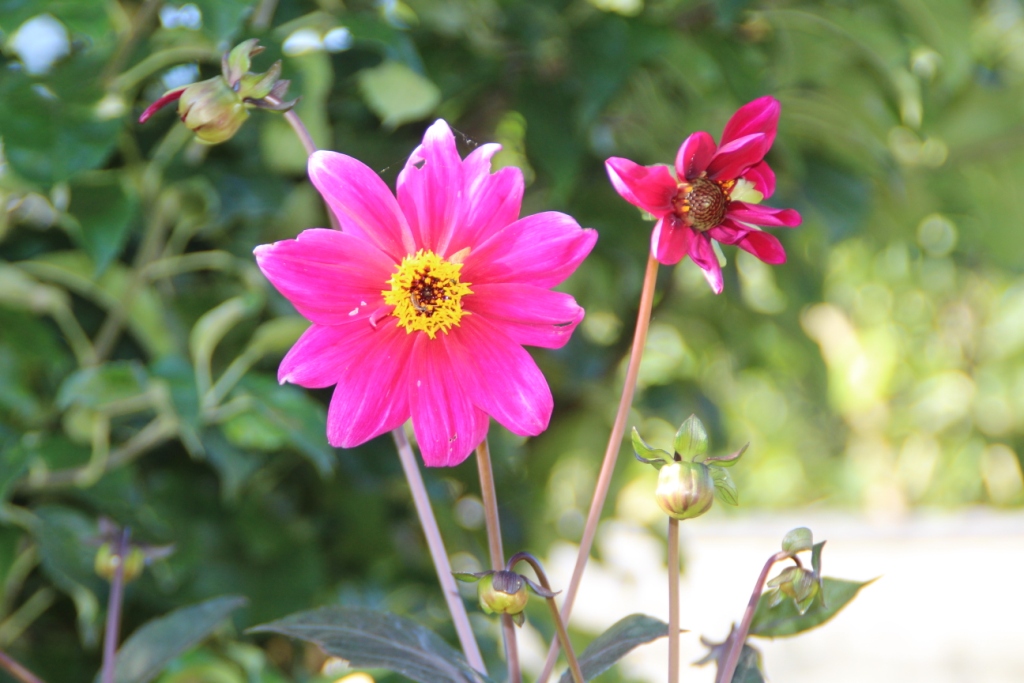
Dahlias will start to come into flower in July, so as with beans and courgettes keep picking the flowers for the house or if you’re enjoying them outside then dead-head as the flowers go over so that you keep getting new buds.

First flowers showing (but a bit damaged)

First flowers showing (but a bit damaged)

Early fruit such as blackcurrants, strawberries and loganberries will be finished by show time, so why not try making some jam or jelly for the craft classes. This will also give you  a taste of high summer in the gloomy days of next winter.

Keep weeding, watering and feeding and most importantly don’t forget to enjoy your flowers, fruit and vegetables at this productive time of year.

Growing for Show – June 2019

By the start of June all your plants for this year’s show will probably be planted up, so this month’s priority is maintaining plant health.

Observation underpins all integrated pest management strategies and helps you to catch problems early, so keep an eye out for things like holes in leaves and distorted growing tips that are indicators that pests are around even if you haven’t seen the little critters themselves. Strong plants are better equipped to fight off pests and diseases so watering and feeding will now be important.

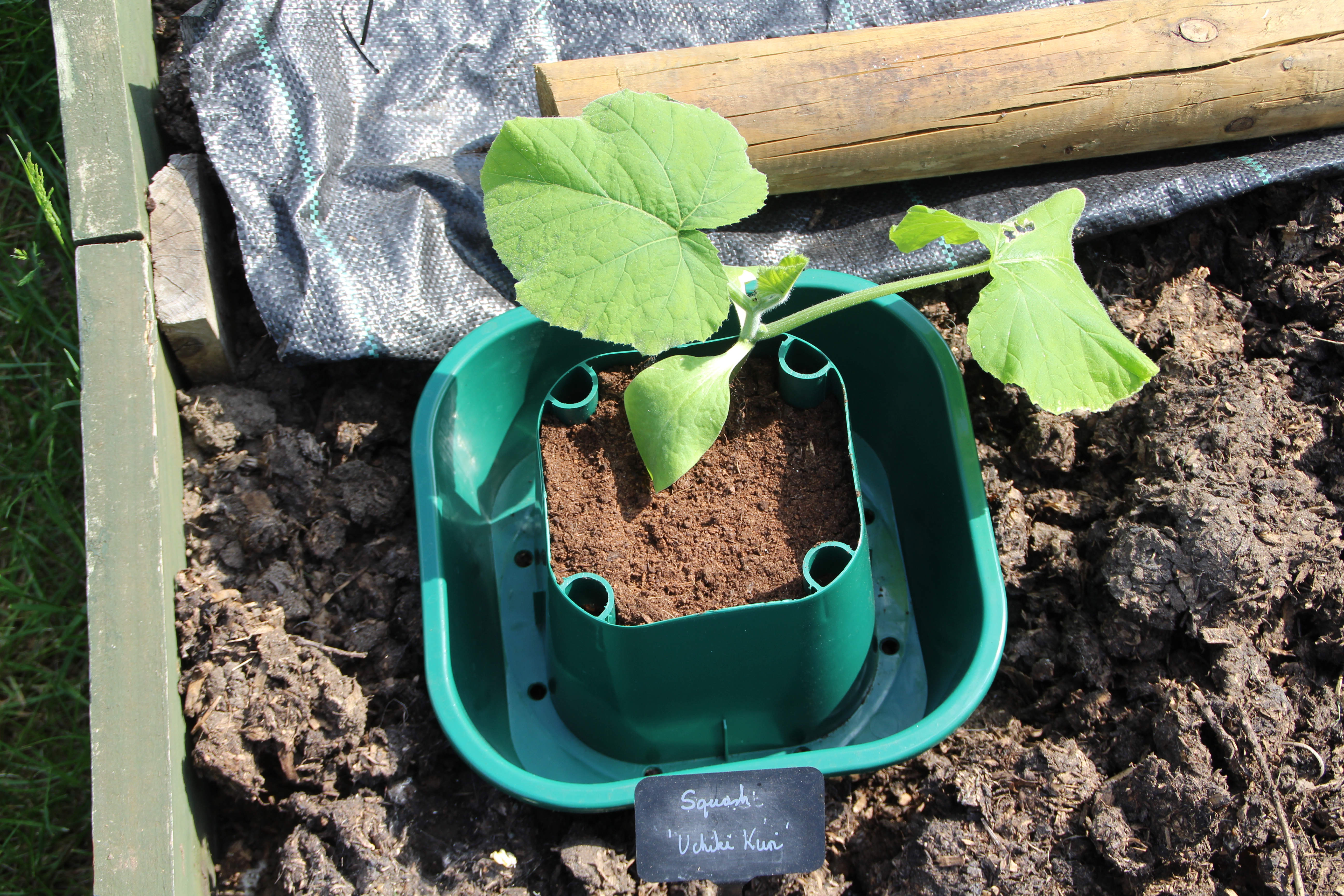
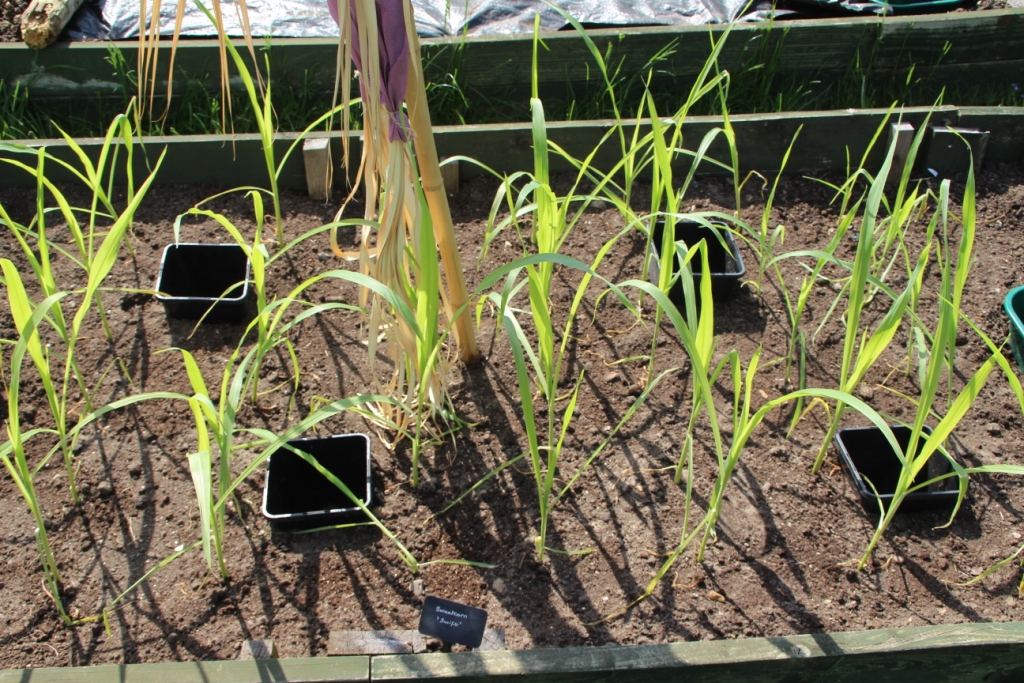
If recent summers are any guide, it will be necessary to water the thirstier crops.  Do remember that water is required at the roots, simply wetting the surface doesn’t get water where you need it and can be counter-productive as it will encourage weed seeds to germinate. Using watering systems that deliver the water underground are much better than spraying a hosepipe around.  In most vegetable plots a full underground irrigation system is unlikely to be a practical option, but there are simple ways to get water below ground level.  The “Rolls-Royce” option is probably using Gro-Pots, but simply sinking a 2 litre flower pot into the ground next to a tomato, squash or courgette will help to get plenty of water straight down to the developing root system.

Squash in a Gro-Pot

Squash in a Gro-Pot

Watering pots in sweet corn bed

Watering pots in sweet corn bed

Root seedlings (parnsips and carrots) need a little bit of water to get them established, but once they are growing try to avoid too much watering as you really want the roots to be driving down searching for water.

As well as water many plants will also require feeding.  We tend to push fruit and vegetables quite hard to get them to crop in a short window, so they will need a bit of extra help.  For leafy crops a general feed will work well, but for fruiting crops (tomatoes etc.) June is the time to switch to a high potassium feed to encourage flower and fruit formation.

Keep pinching out the shoots growing from the axils of the main stem on tomatoes to ensure that you have one solid stem transporting water and nutrients to the swelling fruit. Similarly if you are growing a giant pumpkin, pinch out all tendrils, side shoots and flowers until you have a long, strong main stem (4-5 metres if you have the space) before allowing just one fruit to develop.

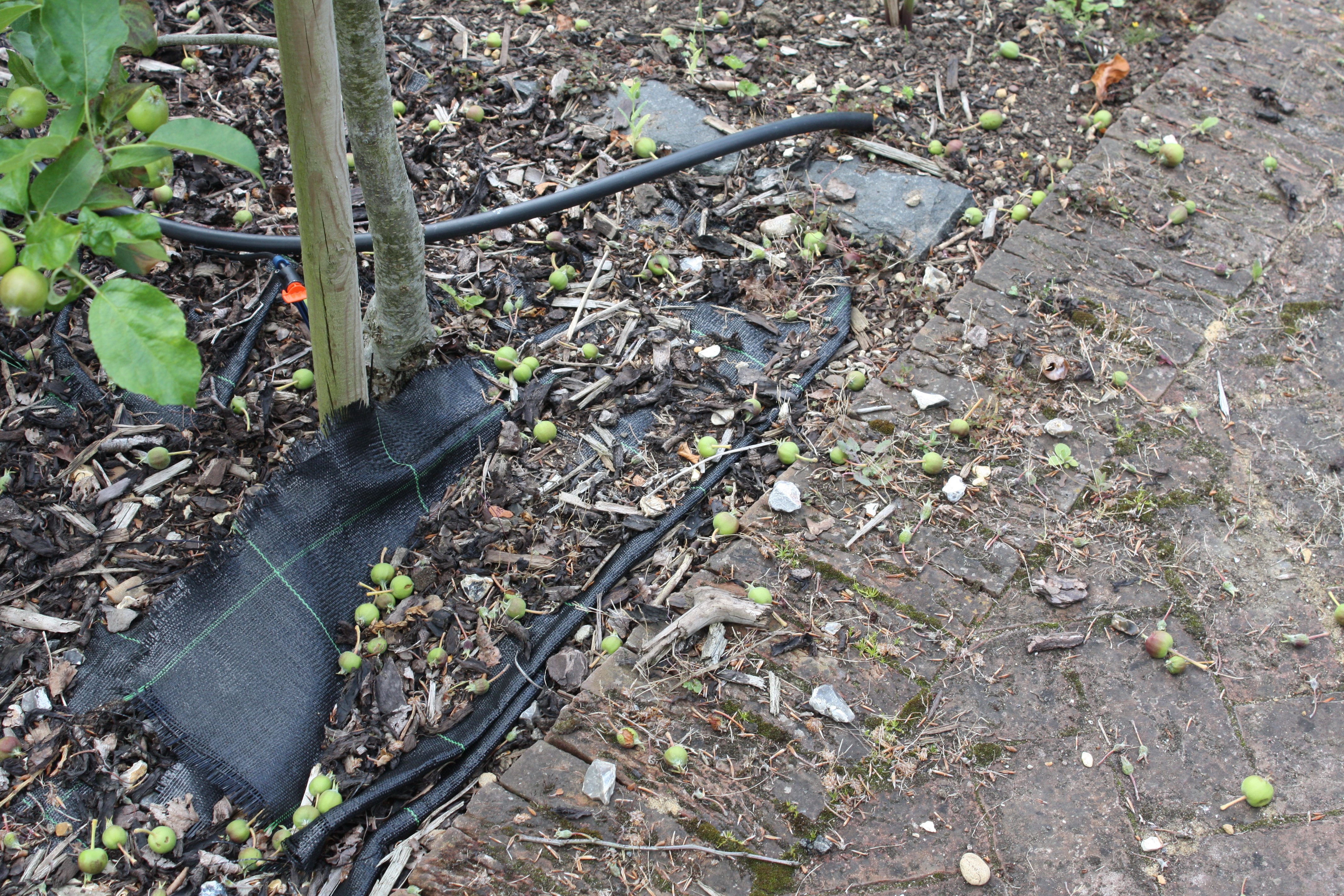
After the normal “June drop” thin out the fruit on apples and pears even further. Thinning out will give you much better quality fruit and reduce the risk of diseases (such as brown rot) which can be spread by overcrowding. This will give fruit that are better for eating and storing as well as showing!

June Drop

June Drop

New Garden Update 4

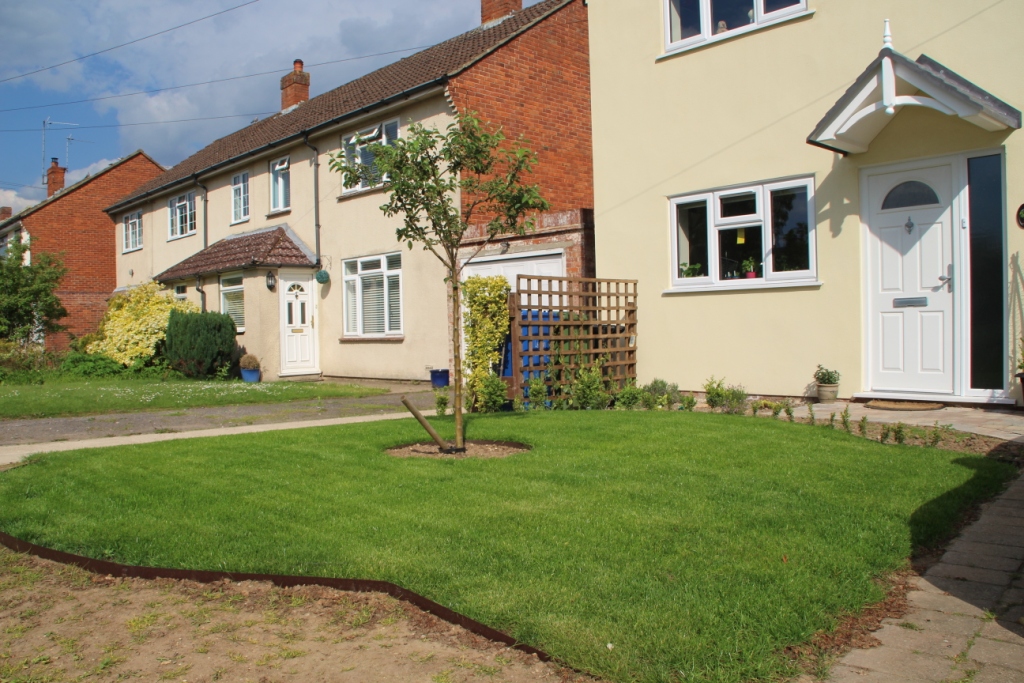
With the arrival of warmer weather and long days giving lots of extra light, the new grass at the front has now taken off properly and we’ve been able to dismantle the cat fence.

New Lawn 22 May

New Lawn 22 May

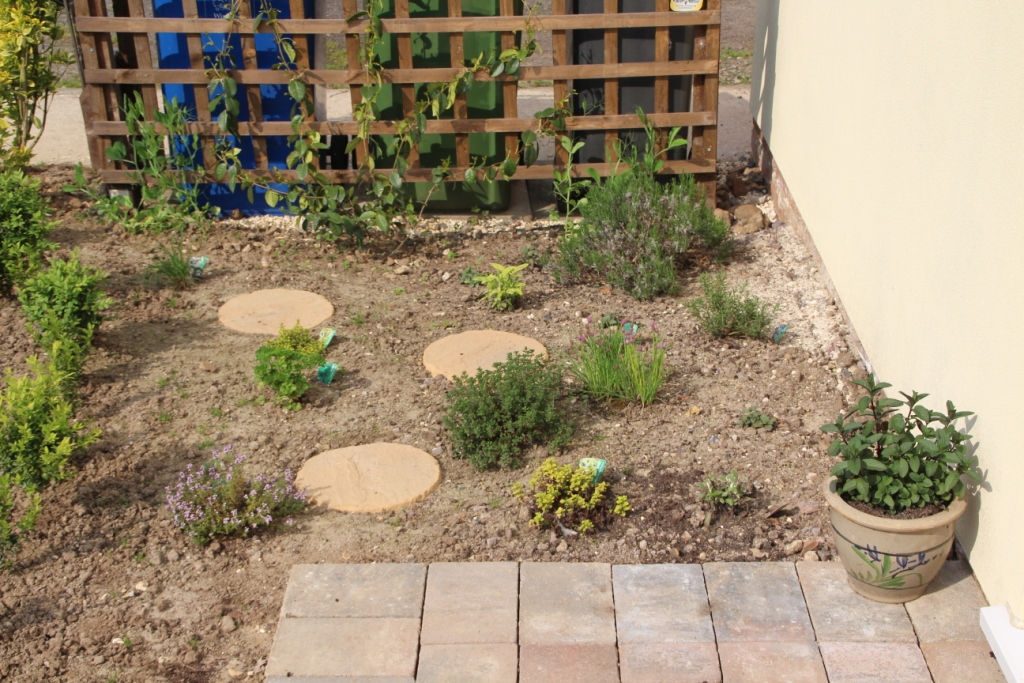
Having full access again has meant that we’ve been able to make a start on the herb garden, including stepping stones to facilitate picking.  After another thorough weed we’re planning to collect and clean old pea gravel from the back garden to top dress and finish off this bed.

Herb bed 22 May

Herb bed 22 May

We still haven’t decided on the long-term planting for the front border, so this is about to be filled with spare dahlias from the allotment to provide a burst of summer/early autumn colour.

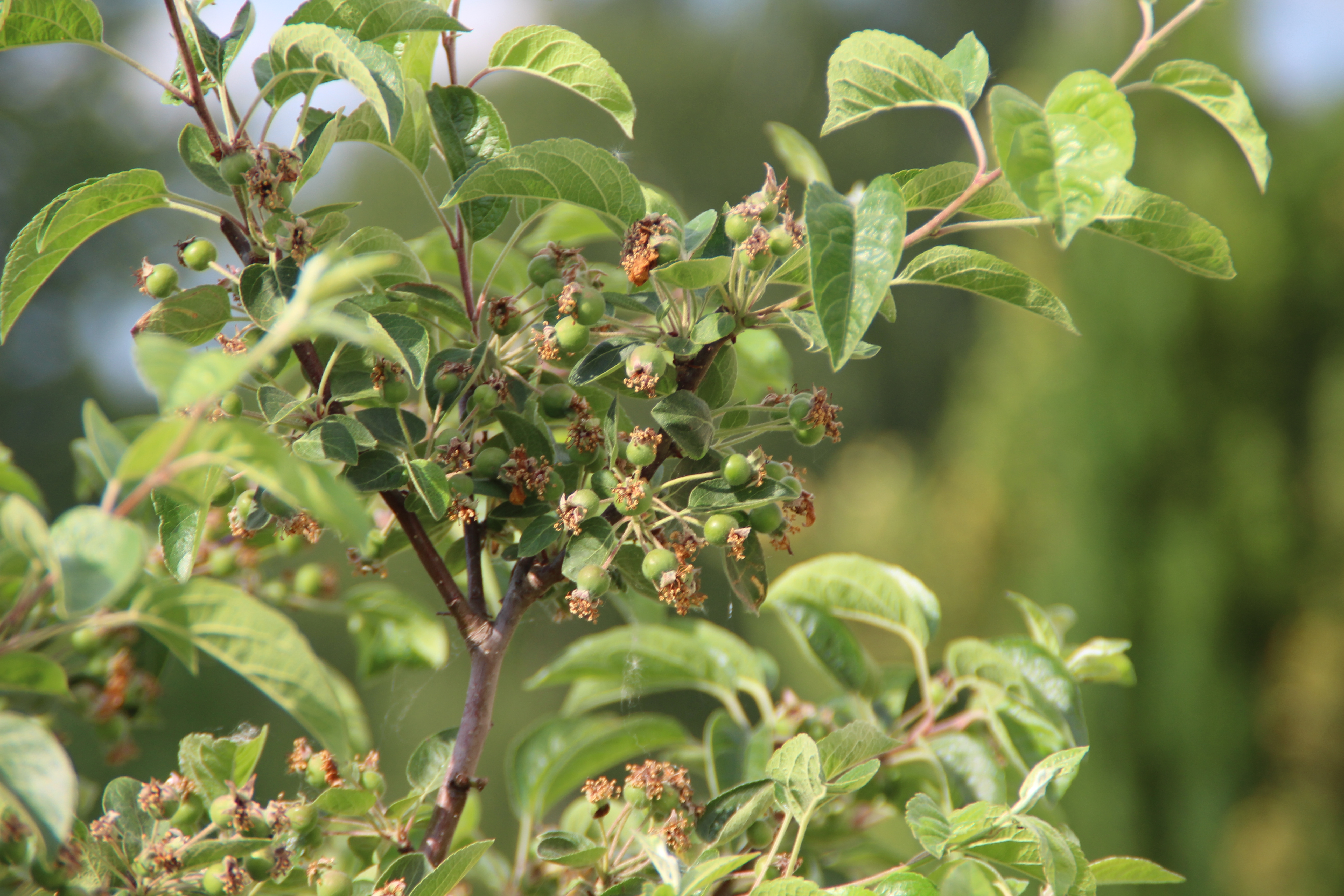
Talking of autumn, the passing of the year can be seen on the crab apple with the setting of fruit now very evident.  Crab apple jelly in a couple of months – with some fruit left for the local blackbirds.

Crab apples 22 May

Crab apples setting May 2019


Growing for Show – May 2019

May is an important month for a September show. Towards the latter part of the month we should be confident that the last of the frosts will have been and gone (this year we had frost on the allotment over the first weekend in May).  The end of frosty nights will mean that all of the more tender plants such as tomatoes, peppers, courgettes, squashes and pumpkins can be planted out and French and runner beans sown. Vegetable plots, greenhouses and allotments will all start to look full again.

Allotment planted up in May

Allotment planted up in May

Last month we mentioned that parsnips make an impressive addition to the “top tray” collection class, another option is late peas. Most peas are sown early and are likely to be in the ground by now with a view to harvesting before the pea moth season (June-July). However, a late sowing at the end of May or early June will give plants that flower too late for infestation and not only give a delicious late harvest, but an extra option for the show.

Across all of your plants keep weeding to reduce competition for moisture and nutrients and to reduce the hosts available for pests and diseases.

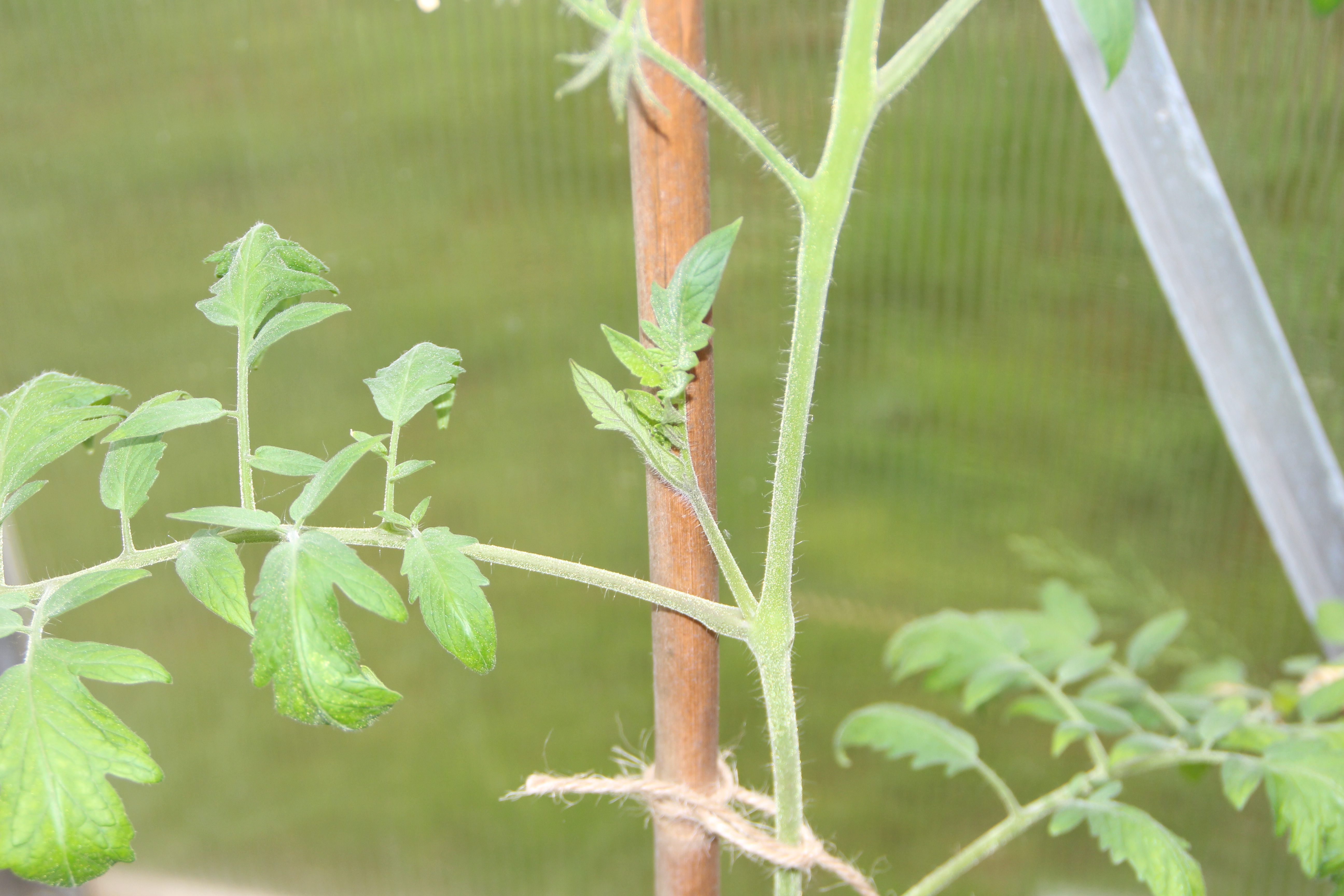
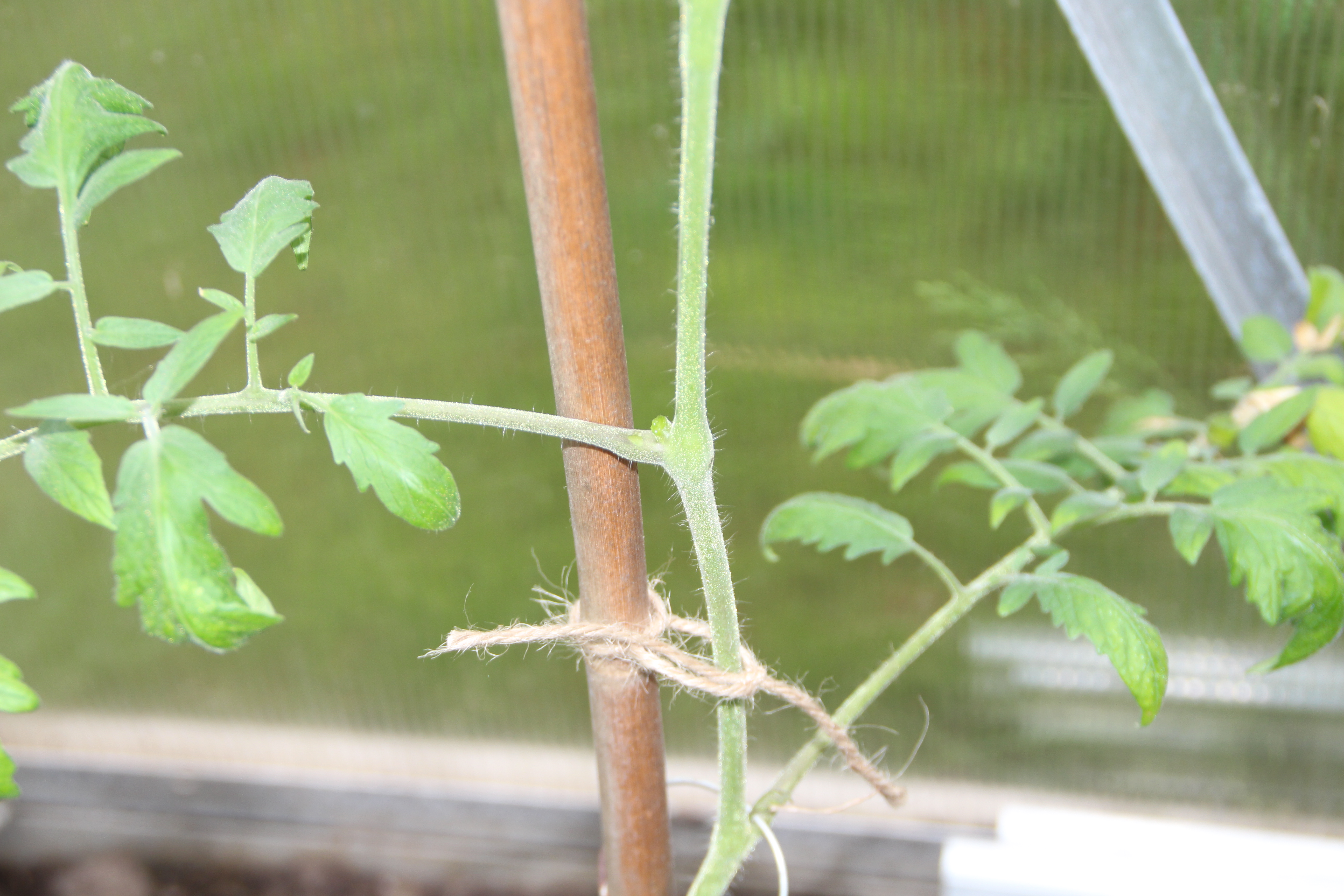
Tomatoes will start to produce side shoots, so keep pinching these out to create a strong main stem that can carry water and nutrients to the flower trusses to maximise fruit production.

Side shoot for pinching out

Side shoot for pinching out

Pinched out

Pinched out

If you are planning to show some dahlias have a look online to find some guides to getting the best possible blooms and don’t forget that there is a class for very small blooms as well as the big blousy ones.  Where better to start than the National Dahlia Society.

New Garden Update 3

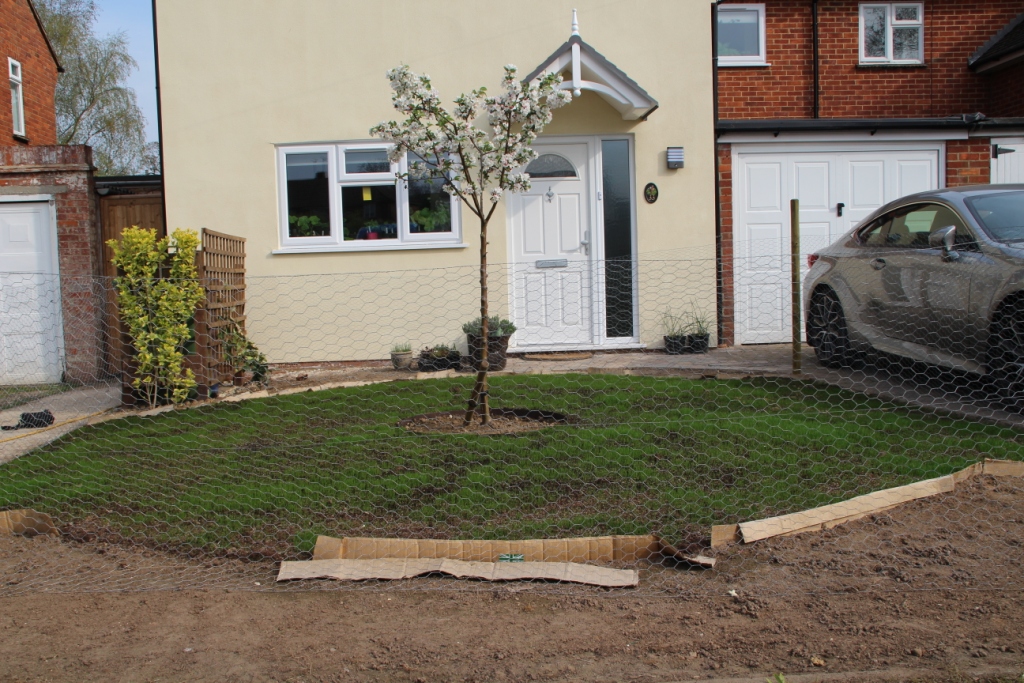
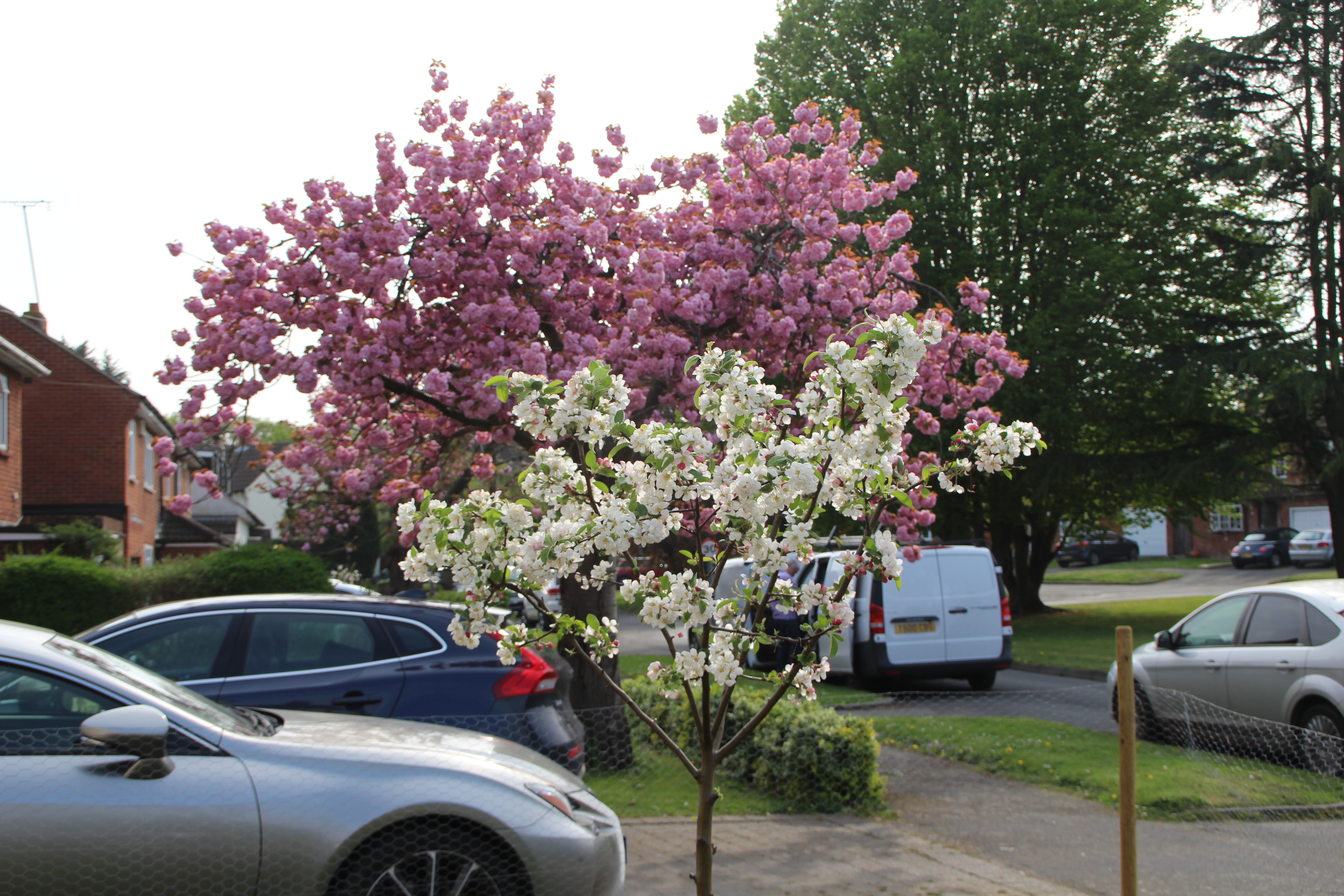
The front garden is starting to take shape.  The new grass is germinating and the crab apple has survived being uprooted and moved and is now in full blossom.

Germinating grass 18 April

Germinating grass 18 April

The crab apple looks particularly good against the cherry blossom from next door.

Crab apple blossom 18 April

Crab apple blossom 18 April

The anti-cat fence is still up at the moment, but once that comes down we will be able to crack on with planting up the herb bed.

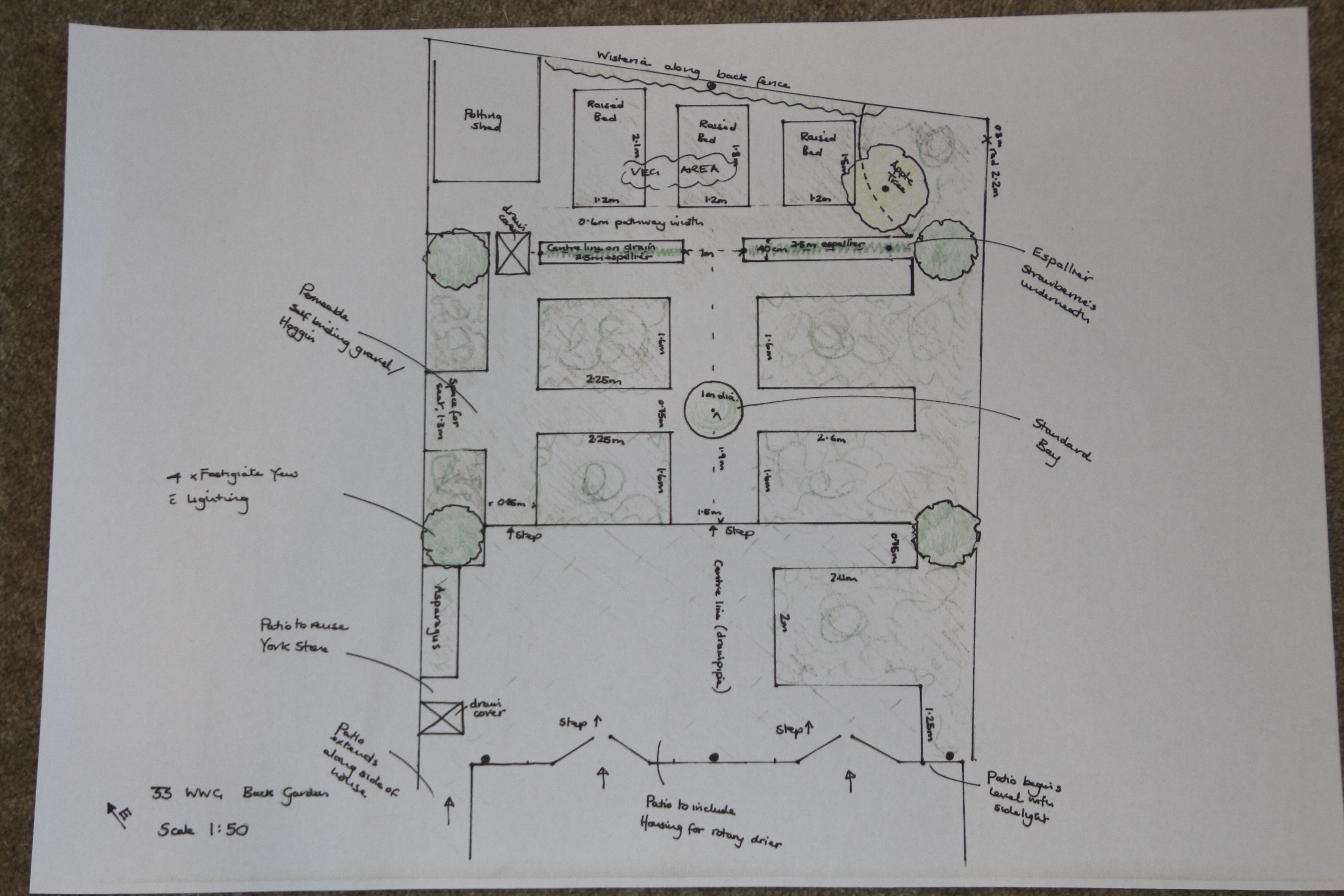
We haven’t yet started work on the back garden, but planning is under way.  At the end of March we did a one-day design school with Adam Frost.  This was very helpful because of the way that he broke the design process down.  The stage that we had not concentrated enough on was consideration of what sort of shapes we should have within the overall design.  We knew what we wanted the garden to do (some space for vegetables, cover for birds, sitting space, summer colour, winter structure and most prosaically space for a rotary clothes dryer), but had started to leap straight to plants without breaking the garden up so that we could see how it would deliver the functionality we wanted.

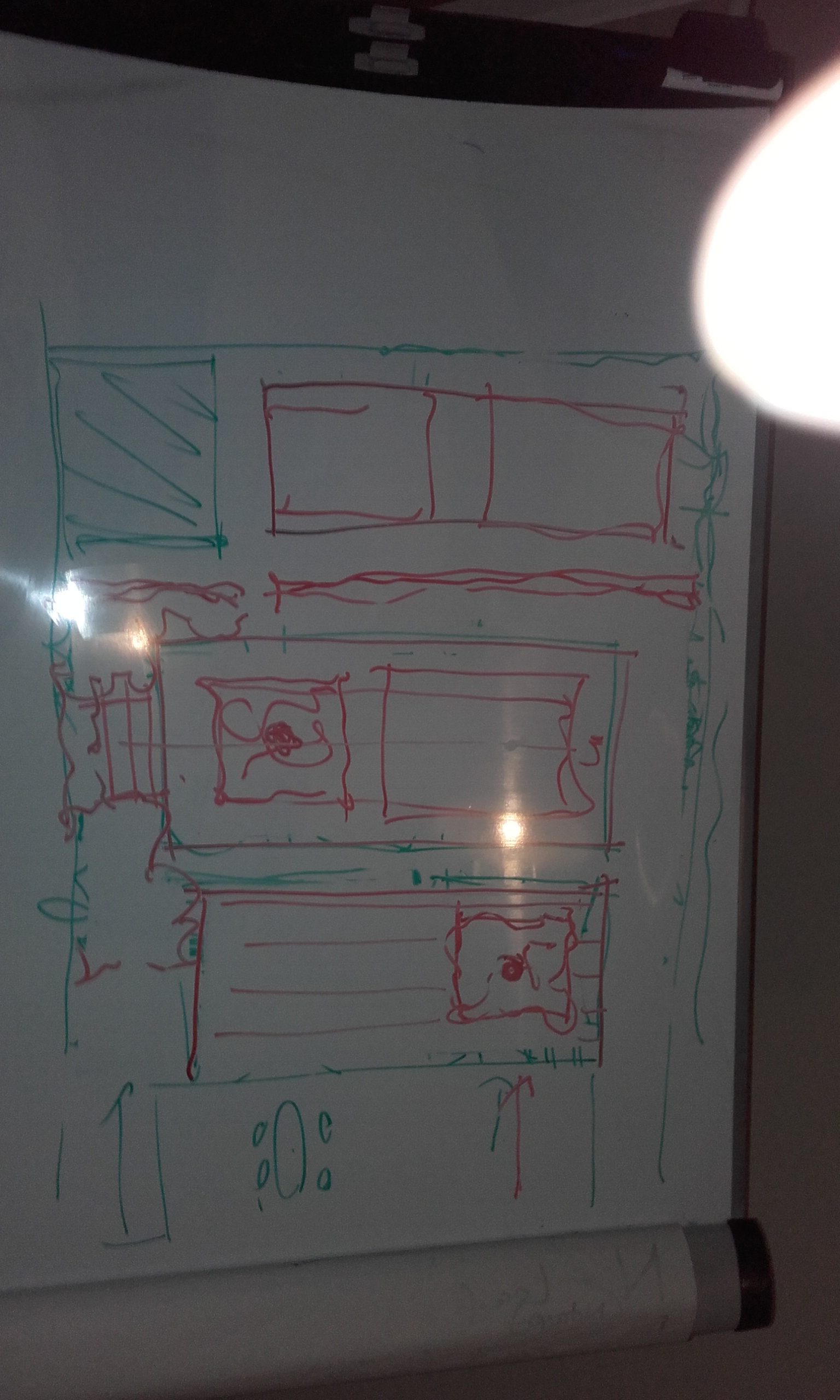
At the end of the school Adam ran a clinic on the garden issues facing all of the participants and helped us to get to grips with an overall structure.  A swift photo of his sketches then got turned into a more detailed plan.

A quick sketch snapped with a phone

A quick sketch snapped with a phone

Back Garden Plan

A detailed back Garden Plan

To achieve this we will need help with hard landscaping and all being well that will start in July, so the garden will be up and running this summer.